Good ventilation is vital for maintaining a fresh and comfortable home. Whether you’re creating a healthier living environment, regulating indoor temperature, or reducing energy usage, the type of doors you choose plays a significant role in achieving optimal airflow. Aluminum folding doors, aluminum sliding doors, and aluminum casement doors each bring unique benefits to improving ventilation, but casement doors stand out as the go-to choice for homeowners when airflow is the primary focus.
In this blog, we’ll explore how each door type contributes to better ventilation, with a particular emphasis on why casement doors are unrivaled for maximizing natural air circulation.
Why Ventilation Matters in Home Design
Proper ventilation is essential in residential spaces for a variety of reasons:
Better Air Quality: It helps remove indoor pollutants, allergens, and odors.
Moisture Management: Proper airflow prevents the buildup of humidity that can lead to mold and mildew.
Improved Energy Efficiency: Ventilation reduces the need for air conditioning by keeping interiors cool.
Comfort and Freshness: Good airflow keeps your living spaces comfortable and inviting.
Doors, especially large ones like folding, sliding, and casement doors, play a pivotal role in optimizing indoor ventilation by allowing outdoor air to flow in and circulate freely.
The Role of Different Door Types in Ventilation
Let’s examine how folding doors, sliding doors, and casement doors contribute to better airflow in the home environment, with a detailed focus on casement doors.
1. Folding Doors
Folding doors, also known as bi-fold doors, consist of panels that fold and stack neatly to one or both sides of the opening. While they are excellent for creating expansive openings and allowing large volumes of fresh air to enter, they don’t necessarily provide consistent ventilation throughout the day.
Ventilation Pros of Folding Doors:
Maximum Airflow: When fully opened, folding doors create a wide passage for air to flow freely.
Customizable Openings: You can open as many panels as you’d like to control the airflow.
Ventilation Consideration: Folding doors are best suited for spaces that require occasional bursts of fresh air rather than constant ventilation.
2. Sliding Doors
Sliding doors allow for effortless horizontal movement along a fixed track, making them a favorite for modern homes. While they provide an uninterrupted view of the outdoors and can bring in lots of light, ventilation capabilities are somewhat limited by their design.
Ventilation Pros of Sliding Doors:
Partial Airflow: With one panel sliding open, you have the flexibility of allowing partial air circulation at any time.
Wide Openings: Sliding doors can create large openings, though they are limited to the width of one movable panel.
Ventilation Consideration: Sliding doors work well in conjunction with windows or as secondary openings but are not as effective as casement or folding doors in maximizing airflow.
3. Casement Doors
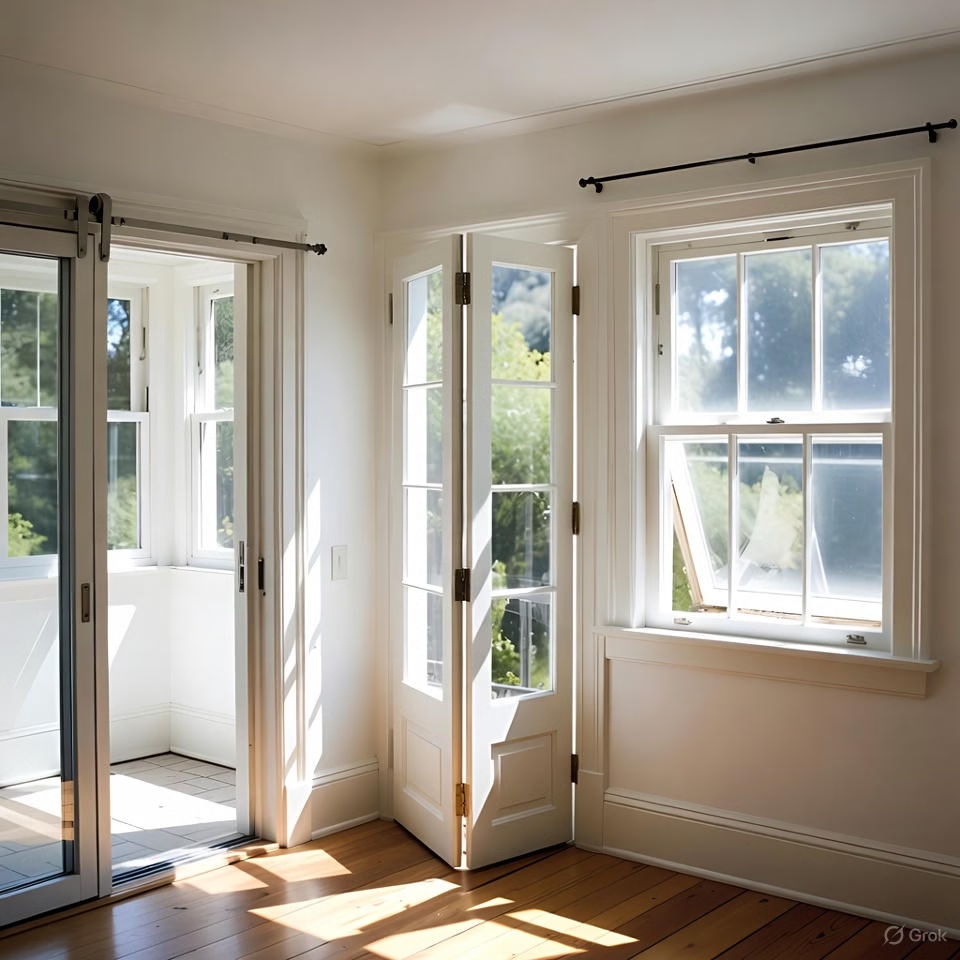
Casement doors are hinged on the side and open outward or inward, depending on the design. This allows for complete and dynamic control of ventilation, making them the best choice for maximizing airflow. Let’s delve into the ventilation benefits that make casement doors a must-have for fresh and breezy interiors.
Why Casement Doors Win the Ventilation Game
1. Fully Adjustable Opening
Unlike sliding doors, which only allow partial openings, casement doors can open fully, creating a larger passage for air. This is perfect for areas that experience natural breezes, as the open doors allow fresh air to flow in and stale air to escape easily.
Pro Tip: Position casement doors opposite to windows in the home to create a cross-ventilation effect, drawing cool air in and pushing warm air out.
2. Directional Control
One unique advantage of casement doors is their hinged design, which allows you to adjust the direction in which they open. If the wind is blowing from a specific angle, you can open the doors accordingly to funnel the breeze into your space more effectively.
For example:
On windy days, open only one door panel to regulate airflow.
On calm days, open both fully for maximum ventilation.
3. Ideal for All Budgets and Spaces
Casement doors are available in a range of materials like wood, aluminum, and steel, making them adaptable to any design and budget while still offering great ventilation benefits.
Where They Shine the Most:
Small homes or apartments, where maximizing both light and air circulation is vital.
Coastal or high-altitude areas that naturally experience cross-winds.
4. Perfect for Ventilating Compact Entryways
Casement doors provide full ventilation without requiring a large swing or stack area like folding doors. This makes them an excellent choice for entryways or rooms where space is a constraint.
For example:
Use casement doors in compact balconies to ensure airflow.
Install them in bedrooms to enjoy cool night breezes without turning on fans or air conditioning.
5. Combining Ventilation with Energy Efficiency
Casement doors are often designed with double-glazed or insulated glass, ensuring that you can enjoy great ventilation without compromising thermal efficiency. During cooler months, you can regulate how much air enters to maintain comfortable temperatures indoors.
Energy-Saving Tip: Open casement doors early in the morning or during the evening to flush out warm, stuffy air and reduce reliance on cooling systems.
How to Maximize Ventilation with Casement Doors
Here’s how to make the most of casement doors in your home:
1. Strategic Placement: Install casement doors in areas with natural wind flow, such as balconies, terraces, or gardens.
2. Create Cross Ventilation: Position your casement doors opposite windows or vents in the house to allow fresh air to circulate freely.
3. Use Adjustable Glass Panes: If privacy is a concern, opt for casement doors with frosted or tinted glass that can be partially opened for airflow.
4. Incorporate Screens: Add insect screens to keep bugs out while still letting in fresh air.
Why Casement Doors Are the Ultimate Solution for Better Ventilation
While folding doors and sliding doors have their merits, casement doors rise to the top when ventilation is a priority. Their fully adjustable openings, directional airflow control, and suitability for a variety of spaces make them the ideal choice for homeowners looking to improve air circulation and create a healthier living environment. Whether you’re designing for cool ocean breezes, mountain winds, or simply better airflow in a compact city apartment, casement doors offer unmatched functionality with a stylish edge.