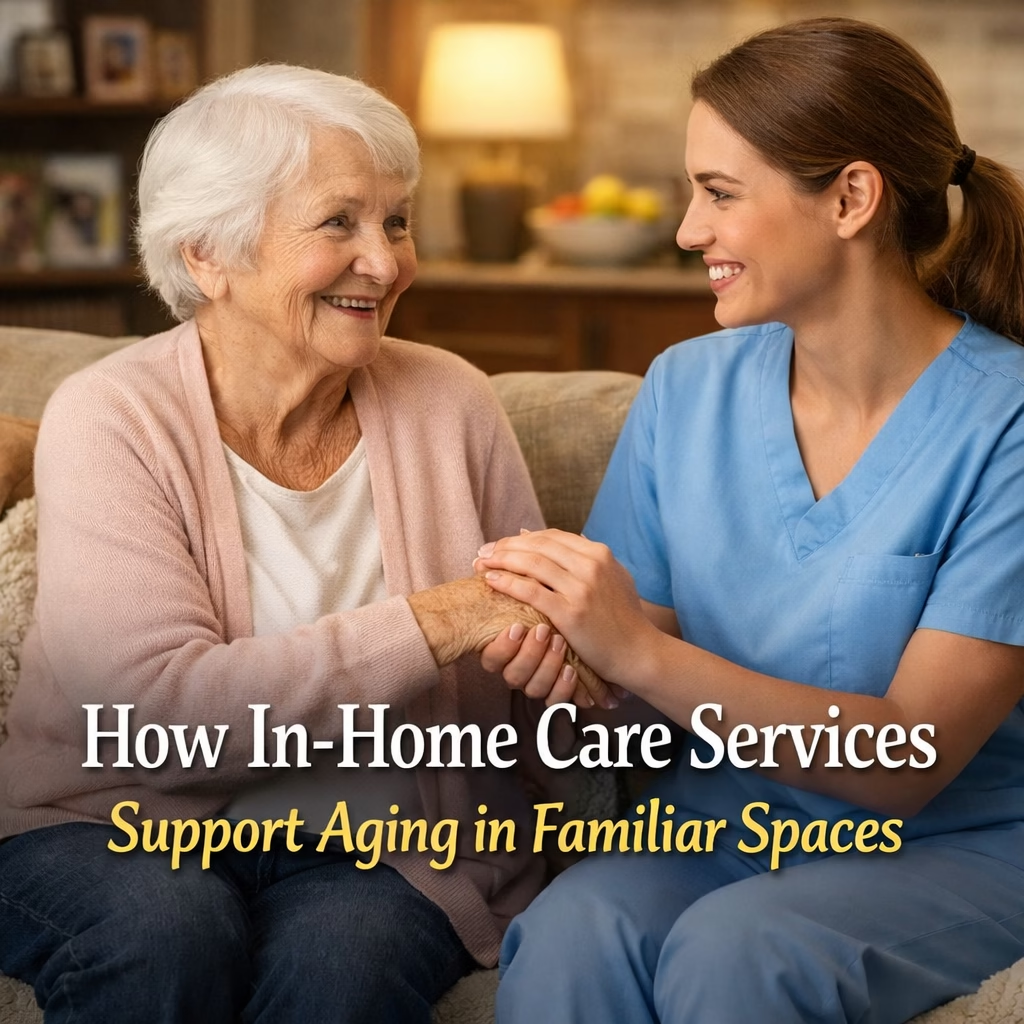
Aging is difficult, especially when it comes to daily life and independence. The desire of many seniors is simply to live where they are. Elderly people are accustomed to their environment, home, and locality and are used to their day-to-day activities, relationships, and memories. For families in the Long Beach area and beyond, finding the right support for aging loved ones is a growing concern.
Home care aids provide key care to seniors so that they can remain in their homes. Professional in-home care services offer the right balance of assistance and independence. Such support provides both comfort and dignity while allowing seniors to stay connected to the places they love. Here is how these services make a meaningful difference in the lives of older adults.
Promoting Independence
Keeping their independence is very high on the list of priorities for many seniors. These services are designed to promote independence while offering aid when needed. Caregivers assist with day-to-day activities, including bathing, dressing, preparing and serving meals and more. Such assistance means seniors have that extra bit of support to participate in their daily lives without hesitation. Such care also tends to give people the confidence to make the choices they want to at home.
Personalized Attention and Care
The greatest benefit of home care is that it can be tailored. Everyone gets a personalized plan that is right for them. Professional caregivers familiarize themselves with the routines and lifestyles of the individuals they assist. This friendly nature creates trust and comfort. This personalized attention also ensures that seniors feel needed and understood, which, in turn, can improve their overall wellness.
Emotional Comfort and Security
Staying in a comfortable environment is a big factor in maintaining emotional well-being. Items such as furniture, photos, and other memorabilia provide continuity. Many people derive comfort from their surroundings, particularly in the face of new challenges. Home care providers offer companionship, as well as physical care. A familiar caregiver can minimize loneliness and anxiety.
Support for Family Members
When professional care is available, family members also benefit. Caring for an aging loved one can be demanding, both emotionally and physically. According to the Administration on Aging, millions of family caregivers provide unpaid assistance to older adults each year. Professional support allows relatives to spend quality time with their loved ones rather than feeling overwhelmed by caregiving duties. This shared responsibility creates a healthier dynamic for everyone involved.
Health and Safety Monitoring
Health and safety are still priorities for aging seniors and families. In-home care experts are vigilant to changes in health status or routine. One of the things a caregiver can do for clients is remind them about medications or medical appointments. They also look for any signs and symptoms of an illness or injury, which helps avoid severe complications. That sustained focus allows seniors to remain in excellent health longer.
Encouraging Social Connections
Isolation is a big issue for some seniors who stay at home. Home care providers help them stay social with friends, neighbors, and community groups. They might go out with the client or help them with phone calls or online interactions. Such initiatives combat loneliness and cultivate community. Staying connected is essential for mental and emotional well-being.
Maintaining Routines and Hobbies
Seniors find joy and contentment in maintaining their daily routines and pastimes. Home care providers are professionals who assist individuals in continuing activities such as gardening, reading, or crafts. They handle household chores so seniors can focus on their interests. Doing these familiar activities gives structure and purpose, which can boost happiness.
Adapting to Changing Needs
The needs change with time as people age. Home-based care services are adaptable and keep support aligned as circumstances evolve. Care plans are reviewed often to reflect current capabilities and health status. This flexibility ensures that seniors are getting the appropriate level of care as their health changes.
Conclusion
Living in a familiar place provides comfort, independence, and emotional security. This is where in-home care services can come in very handy. Caregivers know how to assist and be available while still respecting routines and wishes. By addressing unique needs with personalized care, regular monitoring, and encouragement to engage with others, older adults can flourish in the environments they love best.