Geometric and celestial motifs have always been a part of the design language, appearing in everything from ancient architecture and decorative arts to modern interiors. Today, thanks to a growing interest in symbolism, craftsmanship, and timeless design, these motifs are gaining spotlight once again.
It’s important to balance these motifs with the rest of your home design. These motifs are visually strong, so their placement, scale, and repetition must not overwhelm. Whether your style is more minimalist, eclectic, or classically refined, there are countless ways to incorporate these patterns so they enhance your space in an effortless way.
Understanding the Appeal of Geometry and Celestial Imagery
Geometric patterns offer structure and clarity. Their repetition creates rhythm, their symmetry brings order, and their lines guide the eye. These qualities make them especially effective in grounding a space and creating visual coherence. Geometry also works well across different design styles, from sleek contemporary interiors to traditional and Mediterranean-inspired homes.
Celestial motifs, by contrast, bring softness, movement, and symbolism. Stars, moons, and suns connect interiors to the natural cycles of time, light, and energy. They bring a sense of wonder and calm, particularly in spaces meant for rest and reflection. Together, geometric and celestial elements create an unmistakable mix of logic and emotion, structure and poetry.
Starting With Architecture and Structure
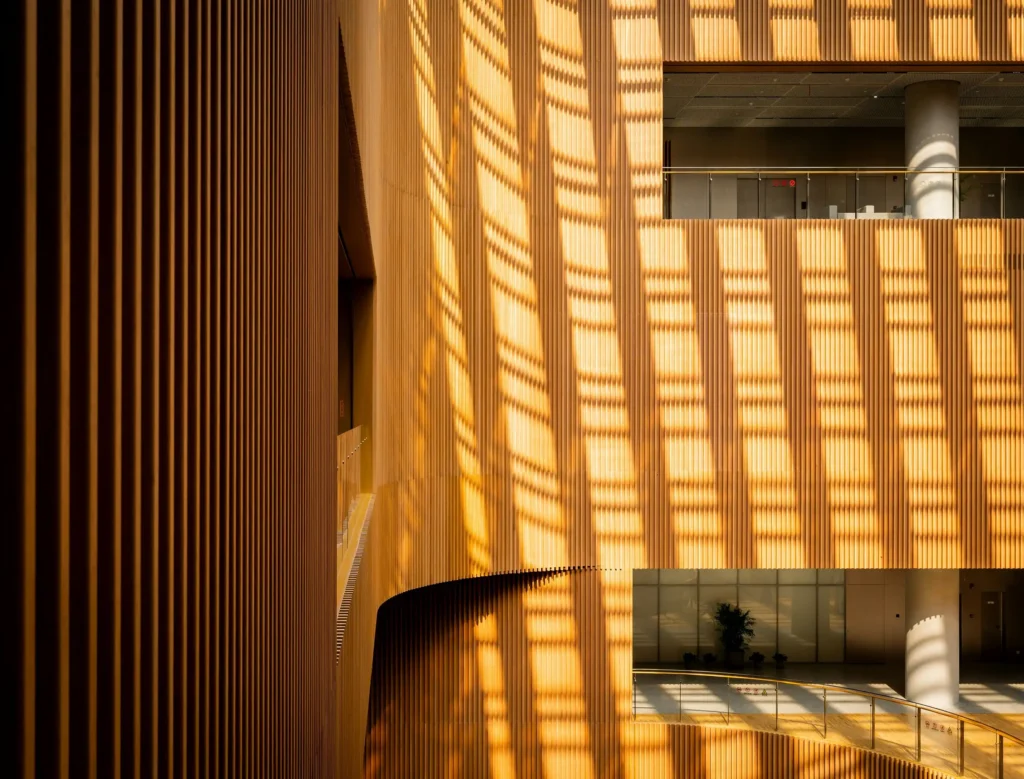
One of the most effective ways to introduce geometric motifs is through architectural elements. Window grids, ceiling beams, wall paneling, and even stair railings can incorporate geometric patterns that feel integral to the space rather than decorative.
Ceilings, in particular, offer an opportunity to explore pattern in a subtle yet impactful way. Coffered ceilings, geometric plaster moldings, or patterned wood beams can add dimension and character, especially in living rooms and dining areas. These features improve the room’s architecture without competing with furniture or artwork.
Wall paneling and trim details can also introduce geometry. Rectangular or square panel layouts, when painted in a single tone, create texture and rhythm while maintaining a calm, cohesive look. This approach works well in transitional spaces like hallways, entryways, and stairwells, where architectural interest helps animate otherwise overlooked areas.
Flooring as a Foundation for Pattern
Flooring is one of the most powerful ways to integrate geometric design. Subtle geometric layouts, such as herringbone wood floors or patterned stone arrangements, bring movement and sophistication to a space.
In bathrooms, foyers, and kitchens, patterned tile floors can define zones and add personality. Choosing a restrained color palette allows the pattern itself to take center stage without overwhelming the room. Neutral tones, soft contrasts, and matte finishes help maintain balance.
More intricate designs can be reserved for smaller spaces or focal areas. A geometric mosaic artwork used as a floor medallion in an entryway or powder room can act as a bold introduction to the home’s design story, drawing the eye and setting expectations for craftsmanship and detail.
Wall Treatments That Add Depth and Character
Walls offer endless opportunities for both geometric and celestial motifs. Wallpaper, tile, paint treatments, and paneling can all be used to introduce pattern and symbolism.
Geometric wallpapers in subtle colorways create visual interest while remaining versatile. Soft metallic accents, tonal contrasts, or fine-line patterns provide texture without visual clutter. These treatments work especially well in dining rooms, studies, and bedrooms.
Celestial motifs, such as stars, moons, and suns, lend themselves beautifully to accent walls. A softly patterned wallpaper in a bedroom or reading nook can evoke a sense of calm and introspection, making the space feel personal and meditative. When used sparingly, these designs feel sophisticated rather than whimsical.
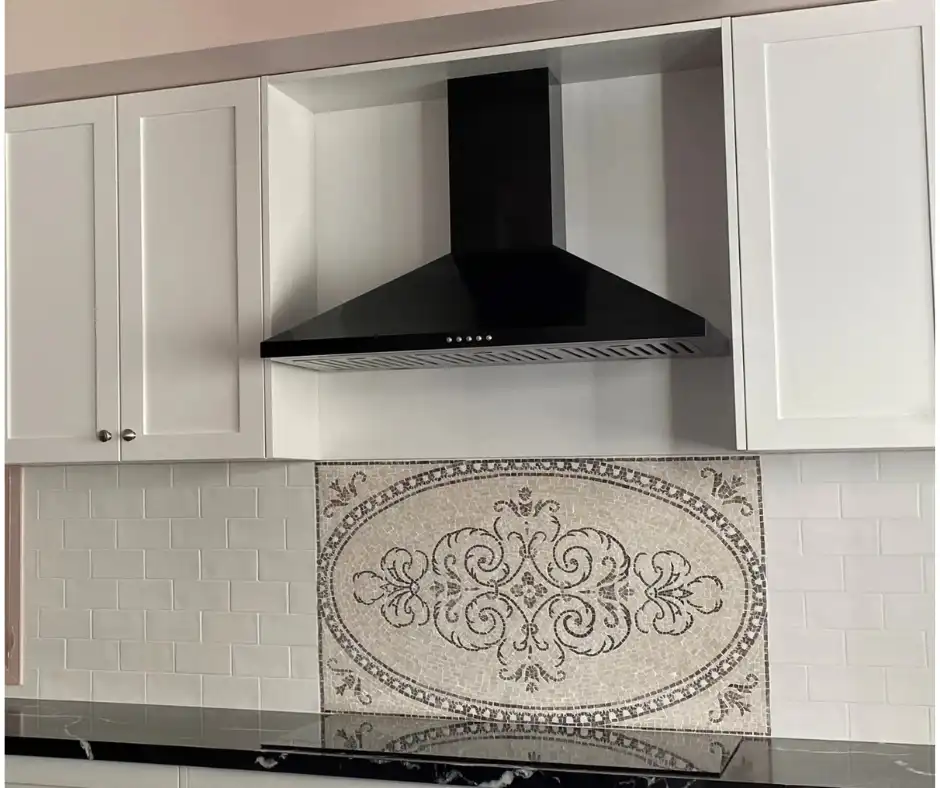
Tile is another powerful medium for motif-driven walls. In kitchens and bathrooms, patterned tile backsplashes or feature walls can add character and depth. Restricting bold designs to a single wall or defined area ensures the space remains cohesive and visually comfortable.
Furniture and Decorative Accents
Furniture provides an opportunity to incorporate geometric shapes in a functional way. Tables with angular bases, chairs with sculptural frames, and cabinets with patterned fronts all introduce geometry at a human scale.
Upholstery and textiles can also carry geometric designs. Rugs, cushions, and throws with repeating motifs help layer patterns subtly. Opting for a limited color palette ensures these elements enhance the room without overwhelming it.
Celestial motifs often appear most naturally in decorative accents. Lamps, mirrors, and small sculptural objects featuring sunbursts, star patterns, or lunar shapes add charm and personality. These pieces are easy to rotate seasonally or move between rooms, making them a flexible way to experiment with the theme.
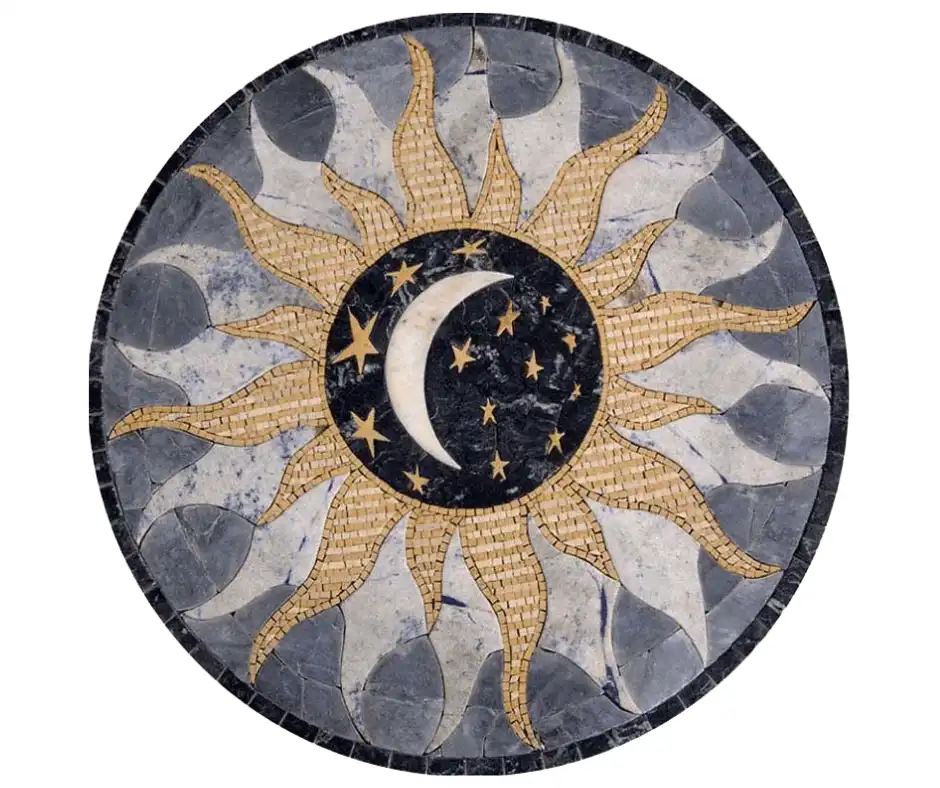
In more artistic interiors, a moon & sun mosaic medallion displayed as a wall feature or inset into a tabletop can serve as a statement piece and a natural conversation starter. Placed thoughtfully, it becomes a focal point that brings timeless style and celebrates traditional craftsmanship.
Kitchens and Dining Areas
In kitchens, geometric motifs work best when they support functionality. Tile backsplashes, cabinet fronts, and flooring are natural places to explore pattern. Simple geometric tiles arranged in creative layouts, such as chevrons or diamonds, bring visual interest while remaining easy to maintain.
Cabinet hardware and lighting fixtures also offer subtle opportunities for geometry. Handles, knobs, and pendant lights with angular forms reinforce the theme without requiring major structural changes.
In dining spaces, geometry can shape the layout itself. Round tables, polygonal rugs, and faceted light fixtures create dynamic compositions that feel intentional and inviting. Celestial motifs, when introduced through artwork or lighting, can add warmth and intimacy, enhancing the experience of gathering and connection.
Bedrooms and Restorative Spaces
Bedrooms benefit from softer interpretations of both geometric and celestial motifs. Gentle patterns, layered textures, and soothing color palettes help maintain a sense of calm.
Geometric headboards, bedding patterns, and area rugs provide structure and balance. Keeping these designs subtle ensures they don’t disrupt the restful nature of the room. Low-contrast palettes and organic materials, such as linen and wool, soften sharper lines.
Celestial motifs are particularly well-suited to bedrooms. Star-patterned wallpapers, moon-shaped mirrors, or constellation-inspired artwork evoke tranquility and wonder. These elements connect the space to natural rhythms, setting the stage for rest and relaxation.
Bathrooms and Spa-Like Retreats
Bathrooms offer a unique canvas for both geometric and celestial designs. Tile patterns, stone inlays, and carefully chosen fixtures can transform these functional spaces into personal retreats.
Geometric tiles on floors and shower walls bring order and elegance, while subtle star or moon motifs in decorative accents add charm. In spa-inspired bathrooms, soft lighting combined with celestial imagery enhances relaxation and introspection.
Mirrors, in particular, offer an opportunity to explore sunburst or star-inspired designs. These shapes not only reference celestial forms but also amplify light, making bathrooms feel brighter and more expansive.
Color Palettes That Support the Motifs
Color plays a critical role in how geometric and celestial motifs are perceived. Neutral bases, such as warm whites, soft grays, and muted earth tones, allow patterns to shine without overwhelming the space.
For geometric designs, tonal variations within a single color family maintain cohesion. Subtle contrasts, rather than stark ones, ensure patterns feel sophisticated and timeless.
Celestial motifs benefit from deeper, richer hues. Midnight blues, charcoal grays, warm golds, and soft blush tones evoke night skies and glowing horizons.
Lighting and Atmosphere
Lighting enhances both geometry and celestial symbolism. Angular light fixtures emphasize structure, while globe and orb-shaped lamps reference planetary forms.
Layered lighting is essential. Ambient light establishes overall brightness, task lighting supports function, and accent lighting highlights patterned surfaces and artwork. Soft, warm light enhances the emotional quality of celestial motifs, while cooler tones emphasize crisp geometric lines.
Wall washers, concealed LED strips, and backlit panels can subtly illuminate textured surfaces, revealing depth and detail that might otherwise go unnoticed.
Blending Old and New
Geometric and celestial motifs have deep historical roots, appearing in ancient architecture, religious art, and decorative traditions across cultures. Integrating these elements into modern interiors creates a dialogue between past and present.
Contemporary spaces benefit from subtle references rather than literal interpretations. Clean lines, curated palettes, and high-quality materials ensure that motifs feel timeless rather than nostalgic.
In traditional homes, geometric and celestial designs can bridge eras, connecting original architectural details with modern furnishings.
Making It Personal
The most successful interiors reflect the lives and values of those who inhabit them. Geometric and celestial motifs provide a rich vocabulary for personal expression, whether through symbolic artwork, meaningful patterns, or custom-crafted details.
Consider which motifs resonate most deeply. Some people gravitate toward the order and clarity of geometry, while others find comfort in the symbolism of stars and moons. Let these preferences guide design choices, ensuring the result feels authentic and truly connects to your taste and lifestyle.