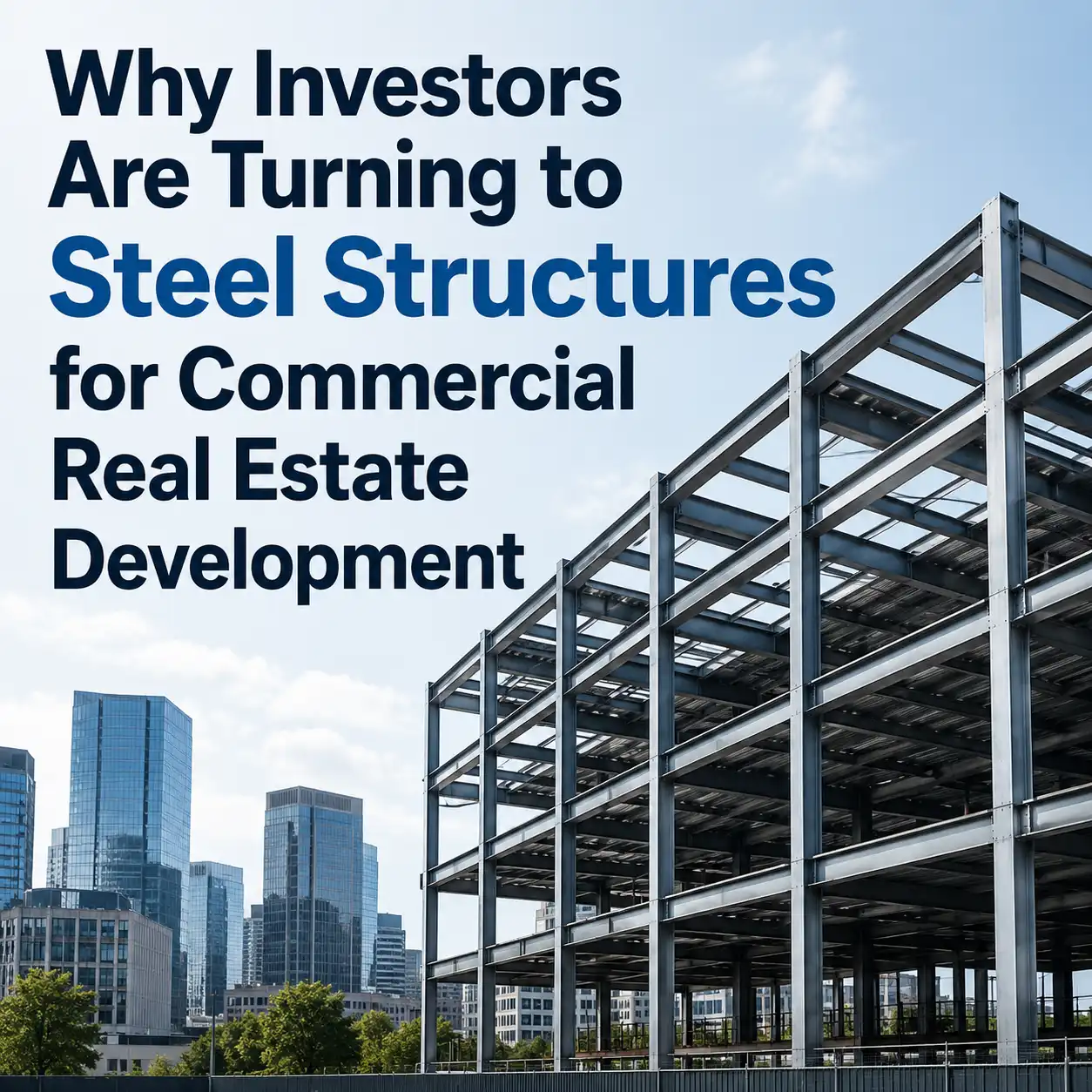
The commercial real estate market is undergoing a significant transformation. As e-commerce continues to drive demand for logistics centers, warehouses, and flexible retail spaces, developers are facing increased pressure to build faster and smarter. Traditional construction methods often struggle to meet the tight timelines and budget constraints required by modern property investors. In response, a growing number of developers are turning to alternative materials to maximize their return on investment. Partnering with an experienced steel structure building company has become a dominant strategy, offering a blend of durability, cost efficiency, and speed that traditional timber or block construction simply cannot match. From urban distribution hubs to suburban fitness centers, metal buildings are reshaping the commercial landscape.
Unmatched Strength and Structural Reliability
When developing commercial properties, mitigating risk is a top priority for investors. A building must be able to withstand severe weather events, heavy daily use, and the test of time. Steel provides a level of structural integrity that gives property owners distinct peace of mind. According to the recent Industrial Real Estate Reset report published by NAIOP, industrial leasing remains solid as developers prioritize asset quality, long-term viability, and regional supply chain strategies. To achieve these goals, developers are heavily utilizing steel framing components, which possess a strength-to-weight ratio significantly greater than dimensional lumber.
This overwhelming market preference highlights how critical robust materials are for modern commercial assets. Steel does not warp, crack, or rot, making it an incredibly resilient choice for large-scale developments. For investors holding properties in regions prone to extreme weather, this structural reliability translates directly into tangible asset protection. When a structure can easily endure hurricane-force winds or heavy snow loads, owners face far fewer repair costs and disruptions to their business operations.
Speed of Construction and Faster Returns
Time is quite literally money in real estate development. Every month a project spends in the construction phase is a month of lost rental income and accumulating financing costs. One of the primary reasons investors prefer metal construction is the drastically reduced build time. Because components are precisely engineered and fabricated off-site, the actual assembly process is highly efficient.
These specialists ensure that the prefabricated parts arrive ready for immediate erection, minimizing weather delays and reducing on-site labor requirements. The predictable nature of this process allows investors to accurately forecast project completion dates, secure tenants sooner, and begin generating cash flow much faster than they could with conventional building methods. In a market where interest rates and holding costs can quickly erode profit margins, this accelerated timeline is a massive competitive advantage.
Long-Term Financial and Environmental Benefits
Beyond the initial construction phase, commercial properties must remain profitable over decades. Steel structures offer several distinct advantages that improve a property’s net operating income over its lifespan. Investors are particularly drawn to the reduced total cost of ownership.
The ongoing financial and environmental advantages include:
- Lower Insurance Premiums: Because steel is non-combustible and highly resistant to extreme weather, many insurance carriers offer significantly lower premiums for metal buildings.
- Reduced Maintenance Costs: Unlike wood framing, steel does not attract termites or mold. The exterior panels also require very little upkeep, saving property managers thousands of dollars in annual maintenance.
- Energy Efficiency: Modern metal commercial buildings are easily fitted with advanced insulation systems. This creates a tight building envelope that reduces heating and cooling costs for tenants.
- Environmental Sustainability: Steel is one of the most recycled materials on the planet. Building with sustainable materials helps developers meet green building certifications, which often attract premium commercial tenants seeking eco-friendly spaces.
Adapting to Modern Market Demands
Flexibility is another crucial factor driving this construction trend. Commercial spaces frequently change hands or require renovations to accommodate new tenants. Steel buildings are regularly designed with clear-span interiors, meaning there are no internal load-bearing columns to restrict the floor plan. This architectural freedom allows property owners to easily reconfigure spaces. A massive open warehouse can be seamlessly partitioned into a multi-tenant distribution center or converted into a sprawling recreational facility without undergoing major structural overhauls.
As the commercial real estate landscape becomes increasingly competitive, developers must utilize every available advantage to ensure their projects succeed. The shift toward modern metal construction is not just a temporary trend. It represents a fundamental evolution in how we build and manage commercial assets. By prioritizing durability, rapid construction, and long-term cost savings, investors are building robust portfolios designed to thrive in any economic environment.