Cannabis is widely available across the United States, and as access continues to expand, an important question arises: Is using recreational cannabis for personal relief the same as medical use?
On the surface, the two may seem similar. In both cases, people turn to cannabis hoping to ease pain, reduce stress, or improve sleep. But legally, medically, and practically, there are important differences between self-medicating with recreational cannabis and using cannabis under a structured medical program. Understanding those differences can help individuals make informed and responsible choices.
What Is Self-Medicating with Recreational Cannabis?
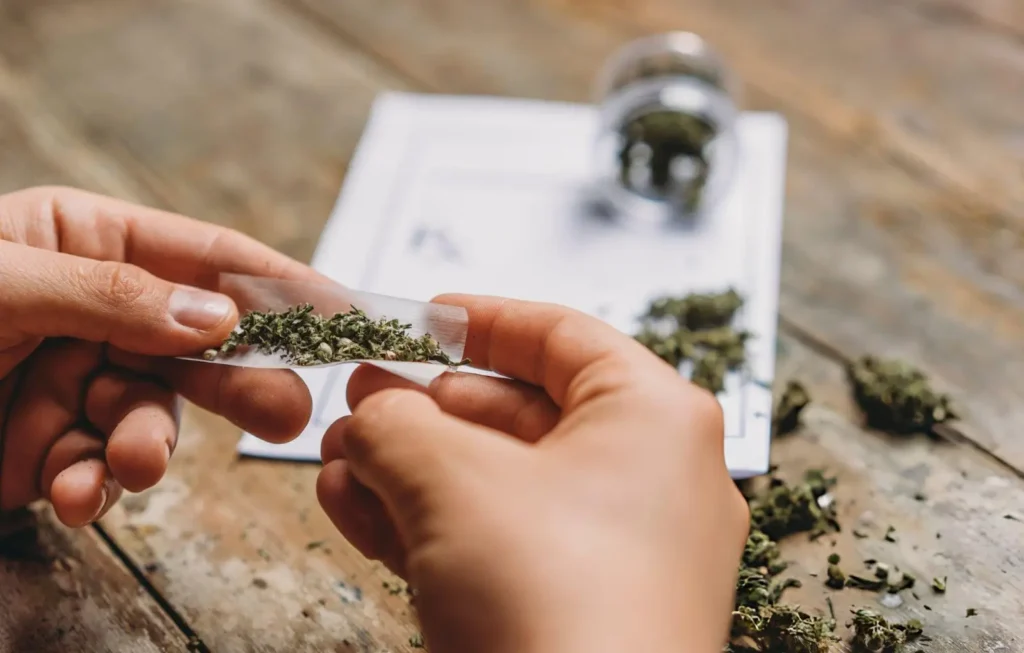
Self-medicating happens when someone uses cannabis on their own to manage symptoms without consulting a healthcare professional. For example, a person might use recreational marijuana to cope with anxiety, chronic pain, or insomnia because they believe it helps.
In states where recreational cannabis is legal, adults can purchase products from licensed dispensaries without a doctor’s recommendation. They choose the product, dosage, and frequency themselves.
While many people report benefits from this approach, self-medicating has limitations, as there is:
- No formal medical evaluation
- No structured dosage guidance
- No review of existing medications or health conditions
- No official medical documentation
For some individuals, especially those managing mild symptoms, this may feel sufficient. But for others, especially those with complex medical histories, it may not be enough.
What Is Medical Cannabis Use?
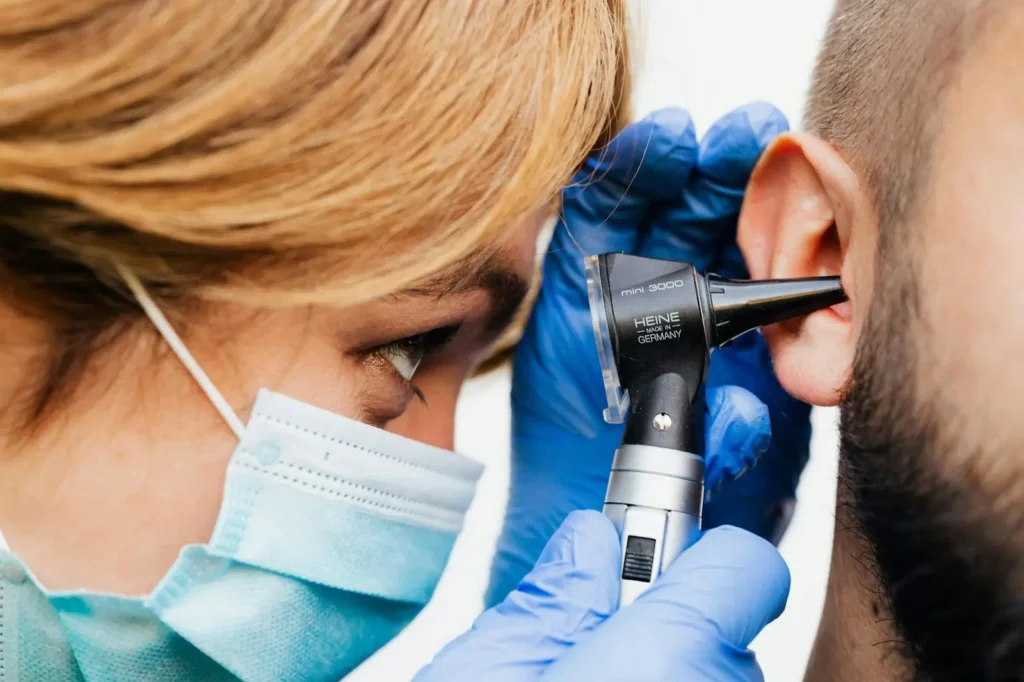
Medical cannabis use involves a formal process. A licensed healthcare provider evaluates the patient’s health condition, reviews their medical history, and determines whether cannabis may be appropriate as part of their treatment plan.
If approved, the patient receives certification, which allows them to participate in a state medical cannabis program.
The key difference here is oversight, as medical use includes:
- Physician evaluation
- Documentation of qualifying conditions
- Regulated purchase limits
- Legal protections under state law
- Structured guidance on usage
For example, patients can apply for a medical marijuana card in Pennsylvania, but they must register with the state’s Medical Marijuana Program through the official online portal first. After creating a profile, they must consult a licensed physician, who evaluates their eligibility based on state-defined qualifying conditions.
If approved, patients can return to the state portal to complete the process, pay the required fee, and obtain their medical marijuana card. This structured approach ensures that access to medical cannabis is not only convenient but also safe, regulated, and compliant with state guidelines.
The Importance of Medical Evaluation
One of the main differences between self-medicating and medical use is the lack of professional oversight. Cannabis interacts with the body’s endocannabinoid system, but it can also affect other medications and underlying health conditions. According to the National Institute on Drug Abuse (NIDA), ongoing research continues to examine how cannabis affects mental health, highlighting why informed and medically guided use is important. A physician considers these factors by reviewing the medical history, discussing appropriate dosing, and identifying potential risks.
When someone self-medicates, these safeguards are often missing. Choosing products without medical guidance can lead to unintended effects, especially with higher THC levels or certain health conditions. A structured evaluation helps ensure that cannabis use is safer and better aligned with a person’s overall health needs.
Intent vs. Structure
Some people believe that if the purpose is medical, such as relieving pain or improving sleep, then recreational use is essentially the same as medical use. However, intent alone does not create structure. Medical cannabis programs are built around oversight, documentation, regulation, and accountability. They require physician involvement and operate within a defined legal framework.
Recreational systems, on the other hand, are designed primarily for adult personal use and do not require a mandatory medical evaluation. The difference is not necessarily about the cannabis itself, but about the structured process and safeguards that surround medical use.
When Is Medical Use More Appropriate?
Medical cannabis programs may be more appropriate for individuals who:
- Have a diagnosed health condition
- Use cannabis regularly for symptom management
- Need higher purchase limits
- Want documented physician involvement
- Require legal protections connected to medical status
For recreational use, adult cannabis may be sufficient. But for ongoing symptom management, the added layer of medical oversight can provide clarity and security.
Making an Informed Choice
There is no single answer to whether medical cannabis use or self-medicating with recreational cannabis is better. The right approach depends on individual health needs, legal considerations, and personal comfort levels. What matters most is awareness. Self-medicating with recreational cannabis and participating in a medical cannabis program may look similar on the surface, but they operate under different systems. One relies on personal discretion. The other involves physician review and state regulation.
Understanding that difference allows individuals to choose the path that best aligns with their health goals and legal needs. For those who prefer a structured and physician-guided pathway, platforms like My MMJ Doctor provide access to licensed medical evaluations in accordance with state guidelines. Whether choosing recreational use or pursuing medical evaluation, informed decisions help ensure safer and more responsible outcomes.