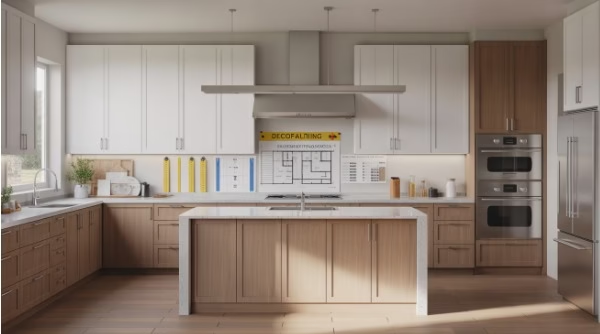
Kitchen remodeling continues to be one of the most valuable home improvement projects for homeowners, combining aesthetic appeal with practical upgrades. In 2026, remodeling costs reflect rising material prices, labor rates, and evolving design trends. Whether you are planning a minor refresh or a complete renovation, understanding expenses, key factors, and the overall project timeline can help you make informed decisions and avoid surprises.
For most standard kitchen remodels, the entire process from planning to final touches typically takes around 4–8 weeks, depending on the project’s complexity, material lead times, and contractor availability.
Average Kitchen Remodeling Cost in 2026
The cost of a kitchen remodel varies widely depending on the size of the space, the materials chosen, and the scope of work. Here’s a breakdown of what homeowners can generally expect:
Minor Kitchen Remodel
A minor remodel is ideal for updating the look and functionality of a kitchen without structural changes. Typical upgrades include:
- Cabinet refacing or repainting
- New countertops
- Updated lighting and fixtures
- Cosmetic flooring improvements
Estimated cost: $15,000 – $30,000
Mid-Range Kitchen Remodel
Mid-range remodels are more extensive but maintain the existing kitchen layout. They often include semi-custom upgrades and modern appliances.
- Semi-custom cabinets
- New appliances and sinks
- Countertops and backsplash improvements
- Flooring replacement
Estimated cost: $30,000 – $55,000
Major or Full Kitchen Remodel
Full remodels often involve structural modifications, layout reconfiguration, and premium finishes. These projects create a completely modernized kitchen.
- Custom cabinetry
- Layout changes for better flow
- Electrical and plumbing updates
- Premium countertops, fixtures, and appliances
Estimated cost: $55,000 – $90,000+
Factors That Affect Kitchen Remodeling Costs
Several variables determine where your project will fall within the cost ranges:
Cabinet Selection with Payless Kitchen Cabinets
Cabinets are often the largest single expense in a kitchen remodel. Choosing semi-custom or custom cabinets influences both budget and design flexibility. Homeowners often work with professionals like Payless Kitchen Cabinets, who provide tailored solutions that combine durability, style, and efficient use of space.
Countertop Materials and Installation
Countertops are a key design feature and functional element. The material chosen directly impacts cost and longevity:
- Laminate or solid surface (lower cost)
- Quartz or granite (mid-range)
- Premium natural stone or designer surfaces (high-end)
Working with experienced kitchen countertops contractors ensures accurate measurements, flawless installation, and long-term performance, which helps prevent costly mistakes. They can also advise on the best materials for durability, maintenance, and aesthetic appeal.
Labor, Permits, and Other Considerations
Labor costs, plumbing, electrical work, and permits also contribute significantly to overall remodeling expenses. Proper planning and hiring licensed professionals ensure the project complies with building codes and avoids delays.
Appliances, Fixtures, and Finishes
High-end appliances, premium lighting, and luxury finishes can elevate the total cost. Prioritizing improvements that maximize functionality and aesthetic appeal is essential for maintaining a balanced budget.
Kitchen Remodeling Process Overview
A typical kitchen remodel follows several sequential stages:
Planning and Design
This phase involves layout planning, material selection, and consultations with contractors. Decisions made here have the biggest impact on the budget and final results.
Demolition and Preparation
The existing kitchen is removed, including cabinets, countertops, and appliances. Minor structural adjustments may be made during this phase.
Installation and Construction
This stage includes cabinet installation, countertop fabrication and placement, plumbing and electrical upgrades, flooring, backsplash, and painting.
Final Touches
The project concludes with installing hardware, setting up appliances, performing quality checks, and ensuring everything is fully functional.
Note: While individual phases may vary, most standard kitchen remodels take approximately 4-8 weeks from start to finish.
Tips to Save Money and Time
Even with a professional remodel, smart planning can reduce costs and prevent delays:
- Maintain the existing layout: Avoid moving plumbing or gas lines unless necessary.
- Order materials early: Cabinets, countertops, and appliances can take several weeks to arrive.
- Hire experienced professionals: Working with licensed contractors ensures quality results and timely completion.
- Focus on high-impact upgrades: Prioritize cabinets, countertops, and functional features that enhance daily use and home value.
When to Hire Professional Kitchen Remodeling Services
While minor cosmetic updates can sometimes be completed as DIY projects, most kitchen remodels benefit from professional oversight. Coordinating multiple trades, managing timelines, and ensuring building code compliance requires experience. Homeowners frequently rely on Payless Kitchen Cabinets for cabinetry solutions and professional kitchen countertops contractors for precise countertop installation.
Final Thoughts
Kitchen remodeling in 2026 is both an investment in functionality and a way to enhance the overall value of a home. By understanding average costs, considering key factors, and planning for a realistic overall timeline of 4 to 8 weeks, homeowners can approach their remodel with confidence. Thoughtful planning, hiring skilled professionals, and focusing on high-impact upgrades ensure a kitchen that is both beautiful and practical for years to come.