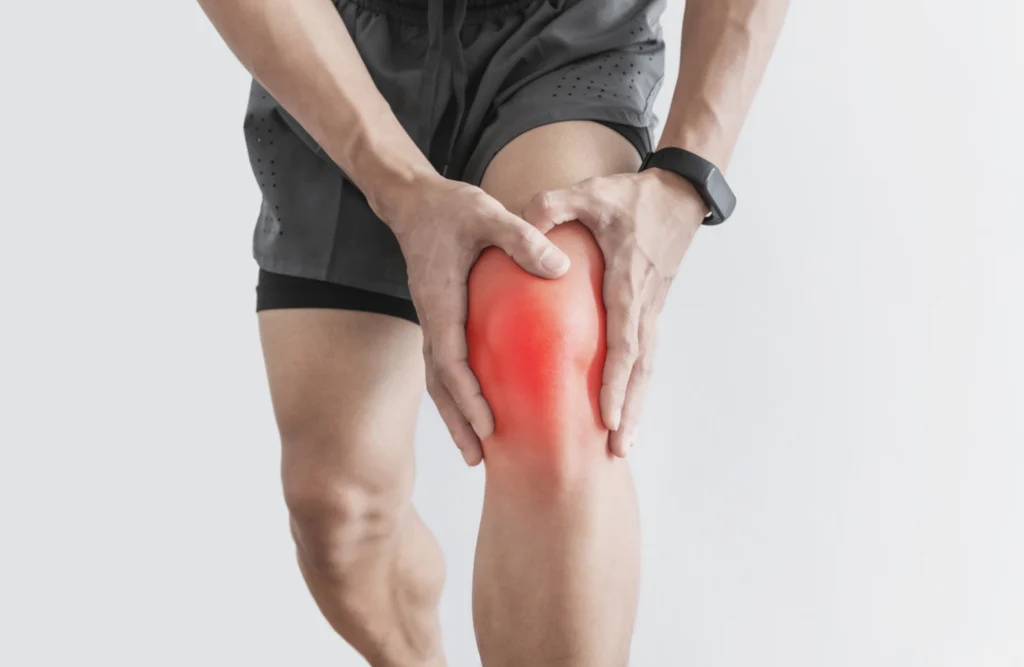
Knee pain affects people of all ages, from athletes to office workers. Whether caused by sports injuries, overuse, arthritis, or sudden trauma, knee discomfort can interfere with walking, climbing stairs, exercising, and daily routines.
Because the knee is a weight-bearing joint, even minor instability or inflammation can significantly impact mobility.
For many individuals, conservative management is the most effective first step. A structured rehabilitation program at a professional physical therapy clinic in NYC can help improve strength, restore movement, and reduce long-term joint stress.
However, meaningful recovery depends on accurate assessment and progressive treatment — not just temporary pain relief.
Common Causes of Knee Pain
Knee pain may develop gradually or occur suddenly due to injury.
Frequent causes include:
- ACL or ligament sprains
- Meniscus tears
- Patellar tracking dysfunction
- Tendonitis (jumper’s knee)
- Early or advanced arthritis
- Muscle imbalances affecting joint alignment
In many cases, the problem is not limited to the knee itself. Weak hips, tight hamstrings, or poor movement mechanics can contribute to persistent discomfort.
Why Conservative Treatment Is Often Effective
Many knee conditions respond well to non-surgical rehabilitation.
Physical therapy focuses on:
- Reducing inflammation
- Restoring range of motion
- Strengthening surrounding muscles
- Improving balance and joint stability
- Correcting walking and movement patterns
Instead of isolating one structure, therapy addresses the entire lower-body kinetic chain to prevent recurring strain.
Treatment Techniques Used
Modern knee rehabilitation programs may include:
- Manual therapy for joint mobility
- Progressive strength training
- Quadriceps and glute activation exercises
- Balance and proprioception work
- Flexibility training
- Functional movement retraining
Exercise intensity increases gradually as pain decreases and stability improves.
Recovery Timeline
Healing time varies depending on the underlying condition and severity.
A general progression may include:
Weeks 1–2: Pain control and gentle mobility work
Weeks 3–6: Strength rebuilding and improved stability
Weeks 6–12: Functional training and return-to-activity progression
More complex ligament injuries or post-surgical cases may require extended rehabilitation.
Consistency with prescribed exercises plays a significant role in long-term improvement.
Cost Considerations
The cost of knee pain treatment in NYC depends on:
- Insurance coverage
- Frequency of therapy sessions
- Duration of treatment
- Level of clinical specialization
Some patients recover within a few weeks, while others benefit from structured programs lasting several months.
Clear communication regarding insurance benefits and session planning helps set realistic expectations.
Risks of Delaying Treatment
Ignoring ongoing knee pain may lead to:
- Reduced mobility
- Compensatory hip or ankle strain
- Increased joint degeneration
- Decreased physical activity
Early intervention often prevents chronic issues and supports faster recovery.
Is Knee Pain Therapy Worth It?
For many individuals, structured rehabilitation reduces pain and improves joint function without surgical intervention.
Knee pain treatment in NYC may be appropriate if:
- Pain limits daily activities
- You experience instability or swelling
- You want to avoid surgery
- You aim for long-term joint protection
When guided by experienced clinicians and supported by patient consistency, therapy can restore strength, mobility, and confidence.
Ultimately, lasting improvement depends on progressive strengthening, proper biomechanics, and long-term maintenance — not short-term symptom management alone.