Kundan and polki both look rich, but they are not the same. Many brides use words like they mean one thing. That confusion can lead to wrong picks and wrong care. These styles also sit and shine in different ways. One may suit your lehenga better. The other may suit your saree, your venue, or your comfort level.
This guide explains the difference in simple words. You will learn how each style is made. You will learn how to spot quality and how to plan your set. You will also learn when to choose kundan and when to choose polki. Use this as your buying map with Nemichand Bamalwa & Sons Jewellers.
What Kundan Jewellery Really is?
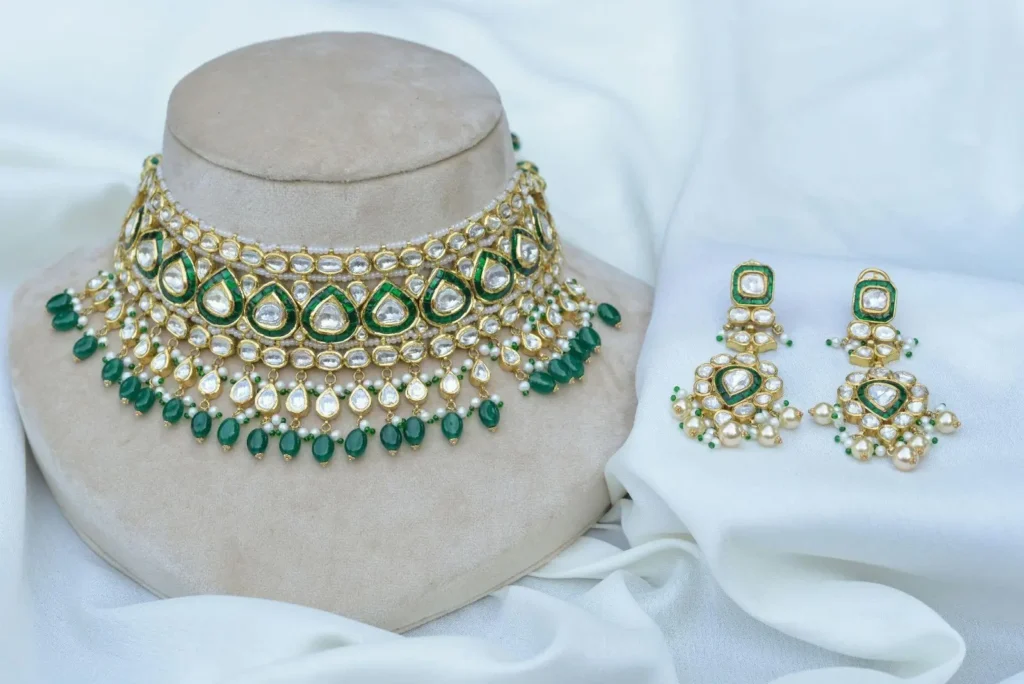
Kundan jewellery is made with stones set in a bed of refined gold foil. The setter uses a special gold mix to hold the stones in place. The stones can be glass, gemstones, or even diamonds in some designs. The key idea is the setting method, not only the stone type. The look is smooth and rich, with stones sitting in close, neat frames.
Kundan pieces often have coloured backs. This style is called meenakari. You will see bright enamel work in red, green, or blue. Many brides love this because the jewellery looks beautiful from every angle. Kundan sets can look grand without being too sharp. The edges tend to be soft and rounded, which feels comfortable on the skin.
Kundan is also known for its traditional patterns. You will see flowers, vines, and teardrop forms. The pieces often look dense and full, which suits heavy outfits well. If your wedding look is classic and rich, kundan can fit it easily.
What Polki Jewellery Really is?
Polki jewellery uses uncut diamonds. These diamonds are natural but not shaped into modern brilliant cuts. They are flat and uneven by nature. The charm comes from that raw, antique feel. Polki diamonds glow with a soft, warm light, not a sharp sparkle. This glow looks very good in warm halls and candlelit spaces.
Polki pieces are usually set in gold, often 22k. Many polki designs also use a foil backing behind the diamond. This backing helps the diamond reflect more light. It also affects colour tone. Good polki work keeps the foil protected and sealed. Poor work lets moisture enter and dull the look.
Polki can be heavy, but it can also be airy. Modern polki sets use open frames and clean lines. This helps comfort and wearability. Brides who want a mix of old charm and modern balance often lean toward polki.
The Main Difference Between the Two
Kundan is a style of setting, while polki is a type of diamond. That is the simplest way to remember it. Kundan can use many stone types. Polki refers to uncut diamonds used in jewellery.
This difference matters because it changes how pieces age. It also changes how they are priced and cared for. It changes what looks better in certain lights. When you know the core difference, you can ask smarter questions in the store.
How Each Style Looks in Photos
Kundan has a bold, colourful presence. Stones look bright, and the frames look neat. It reads strongly in close shots and wide shots. The meenakari backs also add a surprise detail in candid photos.
Polki looks softer and more natural in light. It does not throw sharp fire like modern diamonds. It gives a warm glow that looks royal. In photos, polki often looks expensive and calm at the same time. It pairs well with matte makeup and warm tones.
If your wedding photos will be in warm indoor light, both can work. If your venue has cool white lights, kundan may pop more. Polki still looks rich, but its glow is more subtle.
Price and Value, What to Expect
Kundan pricing depends on the work, the gold used, and the stones used. Some kundan sets use glass stones, which cost less. Some use gemstones, which raise the price. The craftsmanship and the brand matter a lot.
Polki pricing depends mainly on the diamonds and the gold. Uncut diamonds vary in size and quality. Since each diamond is unique, pricing can change a lot. Polki pieces can also carry higher making charges due to hand setting.
Resale is also different. Gold resale is based on weight and purity. Kundan resale depends on whether stones can be reused. Polki resale depends on diamond value and the condition of the setting. Ask Nemichand Bamalwa & Sons (J) about buyback, exchange, and upgrade rules before you buy.
Comfort and Wear, What Brides Should Check
Bridal jewellery is worn for long hours. Comfort matters. Kundan pieces often have smoother edges. They sit well on the skin and do not poke much. Polki pieces can have heavier plates and sharper corners, depending on design.
Always do a comfort test in the store. Wear the necklace for five minutes. Move your head, bend, and smile. Check if there are back rubs on the collarbone. Check if earrings pull the lobe. Try with your hairstyle if possible. A few minutes of testing saves hours of discomfort later.
If you have sensitive skin, ask about the metal finish and backing. Some pieces have rough edges or exposed parts. A good jeweller will smooth and finish these areas well.
When to Choose Kundan
Choose kundan when you want rich colour and a strong traditional presence. It suits heavy lehengas, bright dupattas, and classic bridal looks. It also works well for events like sangeet and reception. The pieces look bold on stage and in group photos.
Kundan is also a good choice when you want meenakari beauty. If your blouse has deep backs or you expect many candid shots, meenakari adds charm. Kundan sets can also be lighter than polki in some designs, which helps comfort.
If your wedding theme has strong colours, kundan can echo them well. Reds, greens, and golds look perfect with kundan. If you want a festive, rich look, kundan is a safe choice.
When to Choose Polki
Choose polki when you want an old royal feel with a soft glow. It suits ivory, beige, pastels, and muted palettes very well. It also looks great with silk sarees and minimal embroidery. Polki adds depth without looking loud.
Polki is also a good pick for brides who want heirloom value. Uncut diamonds have a timeless appeal. They are not tied to one trend. If you want a piece to pass down, polki can be a strong choice.
Polki works best when you keep the rest of the look calm. Let the jewellery lead. Choose softer makeup and clean hair. The glow will show better that way.
How to Check Quality Before Buying
For Kundan, check the setting finish. Stones should sit tight with no wobble. The surface should feel smooth. The meenakari should be neat and even. Ask if the stones are glass or gemstones. Ask about the gold purity used in the base.
For polki, check diamond placement and foil protection. Diamonds should sit even and aligned. The foil should not be exposed. Ask about gold purity and weight. Check the clasp and hooks for strength. Polki pieces often need strong fasteners due to weight.
In both styles, check the back finish. It should not scratch the skin. Check edges and corners. They should feel smooth. Ask about repair and service. Nemichand Bamalwa & Sons Jewellers can guide these checks and explain what to look for.
Care Tips for Kundan and Polki
Kundan and polki both need gentle care. Keep them away from water, perfume, and sweat. Store each piece in a soft pouch. Do not stack pieces, as they can scratch and chip.
After wear, wipe with a clean soft cloth. Do not use harsh cleaners. If colour powder or makeup sticks, bring the piece for professional cleaning. Do not soak these pieces at home.
For polki, be extra careful with moisture. Foil backs can dull if water enters. For Kundan, be careful with enamel backs. Enamel can chip if hit against hard surfaces.
How to Plan Your Bridal Set with Both Styles
Some brides mix kundan and polki in one trousseau. That can work if you plan well. Use kundan for a bold event look. Use polki for the main wedding or reception. Keep metal tones consistent so the photos feel balanced.
You can also use polki as the hero necklace and kundan as the supporting earrings for another event. The key is not mixing both in one look unless the design is meant for it. Too many textures can feel busy.
If you want a versatile plan, choose one hero set and one lighter set. Add simple gold chains and studs for smaller functions. This keeps your box complete without overspending.
Conclusion
Kundan and polki both have beauty, but they serve different goals. Kundan gives colour, bold presence, and classic patterns. Polki gives soft glow, royal feel, and heirloom charm. Your outfit, venue, and comfort needs should guide the choice.
If you want help choosing the right set, visit Nemichand Bamalwa & Sons Jewellers with your outfit photos and event list. Our team will help you compare styles in window light, check comfort, and plan your full bridal box. You will leave with jewellery that looks perfect, feels comfortable, and stays special for years.