Increasingly, more homeowners are transforming their domestic spaces into places that promote healthful relaxation instead of being just practical surroundings. Today’s luxurious home spa combines comfort, intelligent design, and cutting-edge wellness practices to facilitate rejuvenation and healing of body and mind. Rather than visiting commercial spas for brief periods of time, people are now building facilities that will allow them to enjoy daily rejuvenation. This represents a larger cultural movement towards longevity, stress management, and mindful living. The following are some of the most popular trends.
Biophilic Design and Natural Materials
One of the major trends in luxurious spa architecture is the integration of the biophilic concept, where spaces imitate the natural environment. Natural materials like wood, stone, linen, and clay are used instead of artificial surfaces. The presence of large windows, skylights, and plants makes it easier for the space to blend with its surroundings. The introduction of water elements, such as wall water cascades and miniature reflecting pools, adds a soothing background noise to help relax the mind. Organic asymmetry is increasingly becoming popular as it adds life to a room. This approach supports relaxation by aligning spatial experience with natural rhythms and textures.
Smart Wellness Technology Integration
Technological advancements have also become an integral component for improving the quality of experiences associated with home spas. Smart lights can be programmed to change their color temperature depending on the daily circadian rhythm of users, thus helping people get more restful sleep at night and stay more alert during the day. Voice-activated technology makes it possible for users to change the ambience of a room even without moving a muscle, whereas apps connected to aromatherapy machines help create customized scent environments based on daily schedules. Smart mirrors also offer useful information like hydration rates and posture.
At-Home Sauna Solutions and Heat Therapy
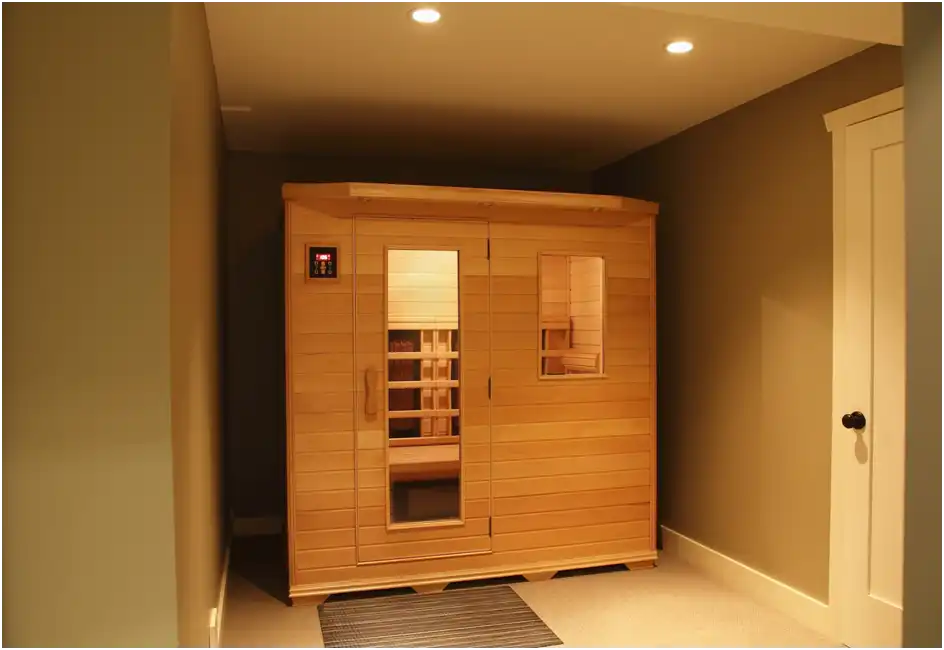
The use of heat treatment has become the cornerstone of today’s wellness architecture through small, personalized devices. Infrared saunas, steam baths, and heat cabinets are being incorporated into home spas or extensions to bathrooms by homeowners. This treatment offers various health benefits without the need for extensive modifications to be made to one’s house. Within this trend, many wellness enthusiasts choose to invest in beneficial infrared saunas that deliver gentle, penetrating warmth designed for sustained therapeutic use. The appeal lies in convenience, allowing consistent wellness routines without leaving home. Designers often pair sauna spaces with cooling plunge features or meditation corners to create balanced thermal transitions that enhance overall resilience.
Hydrotherapy and Multi-Sensory Bathrooms
Water treatment is still a vital component in the world of spas, but in an updated form through the multisensory bath design. The combination of rainfall shower facilities, relaxing tubs, and hydro-massage jets will help improve blood circulation and relax muscles. Color therapy lighting helps by providing smooth changes in colors and thereby affecting our mood states. Sound therapies can be provided by means of integrated sound systems, which provide ambient sounds for enhanced relaxation and immersion. Steam baths could be paired with contrast showers to provide for recovery processes similar to professional ones.
Mindful Relaxation Zones and Recovery Spaces
Apart from the physical treatment options, luxury home spas have started to focus on psychological relief through the use of recovery zones. These spaces feature comfortable lounging areas where users can meditate, read, or practice breathing techniques. The minimal design ensures that there is nothing distracting the mind and allows it to relax naturally. The use of soft fabric materials, soothing colors, and diffuse lighting helps in achieving psychological relaxation. Some individuals have even added acoustic booths or floating chairs for enhanced sensory detachment from everyday noise. These spaces are not decorative afterthoughts but intentional environments designed to support emotional reset and cognitive clarity.
The design of luxury home spas has evolved into something much more than just making the home aesthetically appealing. With the use of organic materials, intelligent systems, hydrotherapy, thermal wellness, and healing places, people can create environments that will help promote and maintain their well-being. This is seen in all five trends as people want to create their very own oasis right at their homes. In doing so, the line between what makes a house a house and what makes a place a retreat becomes increasingly blurred.