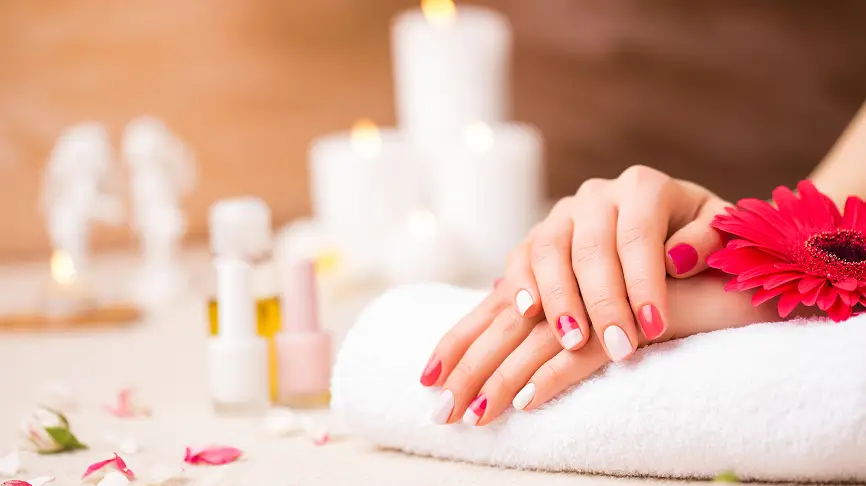
For many professionals, a fresh manicure is more than just a cosmetic choice; it is a component of a polished, professional image. However, the frustration of a chipped nail or a lifted gel edge appearing just three days after an appointment is a common grievance. While the quality of the initial application is critical, the longevity of the polish depends almost entirely on the aftercare routine implemented at home.
Maintaining a manicure isn’t about expensive products, but about reducing the mechanical stress placed on the nail plate. By treating your nails as jewels rather than tools, you can effectively double the lifespan of your polish.
The Golden Rules of Daily Nail Preservation
The primary cause of premature chipping is “micro-trauma”—small, repetitive impacts that weaken the bond between the polish and the nail. This is most evident in the “click-clack” of typing on a mechanical keyboard or the repetitive tapping on a smartphone screen, which creates microscopic stress fractures in the polish.
Stop Using Nails as Tools
It is a common habit to use a fingernail to scrape off a sticker, open a soda can, or pry open a package. These actions apply concentrated pressure to the free edge of the nail, which is exactly where the polish is most likely to lift. Instead, use a letter opener, a coin, or a dedicated tool for these tasks. When you use your nails as levers, you create tiny fissures in the polish that eventually expand into full chips.
The Glove Mandate
Water is the enemy of a long-lasting manicure. When nails are submerged in water—especially hot soapy water—they absorb moisture and expand. As they dry, they contract. This constant expansion and contraction causes the rigid polish to pull away from the natural nail.
Wearing nitrile-lined rubber gloves during dishwashing or cleaning is non-negotiable. Nitrile is preferred over latex as it provides a tighter fit and prevents the glove from sliding, which reduces the risk of the glove edge catching and peeling the polish. Furthermore, avoid long, steaming showers immediately after a fresh set, as the sudden heat can compromise the seal of the polish.
Advanced Care and Hydration Strategies
Once the polish is applied, the focus shifts from application to preservation. The goal is to keep the surrounding skin supple and the polish surface sealed.
The Role of Cuticle Oil
Many people mistake dry cuticles for a lack of polish quality, but the health of the surrounding skin dictates how the nail behaves. When the skin around the nail becomes dry and brittle, it can tug at the edges of the polish, leading to lifting.
Applying a high-quality cuticle oil twice daily—once in the morning and once before bed—keeps the nail bed flexible. Look for oils containing jojoba or almond oil; these are superior to mineral oil because their molecular structure more closely resembles human sebum, allowing them to penetrate the nail plate rather than just sitting on top of it. If you are looking for professional application and maintenance, visiting a reputable nail salon St George ensures that your base and top coats are applied with the precision necessary for maximum durability.
The Top Coat Refresh
For traditional lacquer, the top coat is the primary shield against the environment. Over time, this layer wears thin due to friction. Applying a thin layer of a clear, quick-dry top coat every three to four days fills in microscopic scratches.
Crucially, use the “capping” method: instead of just painting the surface, run the brush horizontally across the very tip of the nail edge. This creates a physical wrap-around barrier that seals the free edge against friction, significantly delaying the onset of tip-wear.
Managing the “Growth Gap”
As the natural nail grows, a gap appears between the cuticle and the polish. While this is a natural biological process, it can make a manicure look dated even if the polish is still intact.
Avoiding the “Pick” Reflex
The most dangerous habit for any manicure is picking at a lifted edge. When a small piece of polish lifts, the temptation is to pull it away. This often peels off a layer of the natural nail plate along with the polish, leaving the nail thin and prone to breaking. If you notice lifting, use a fine-grit (240 grit or higher) nail file to gently smooth the edge rather than pulling it.
Strategic Shaping
To prevent side-wall cracks, keep your nails shaped consistently. If you prefer an oval or almond shape, maintain those edges with a glass (Czech) file. Glass files are superior to emery boards because they seal the keratin layers of the nail through a precise, uniform grind rather than shredding them, which prevents the polish from chipping at the corners.
By combining a professional application with a disciplined home maintenance routine, you move from a weekly cycle of repairs to a bi-weekly schedule of refreshes. The result is a consistent, professional appearance that requires less time in the chair and more time focusing on your professional priorities.