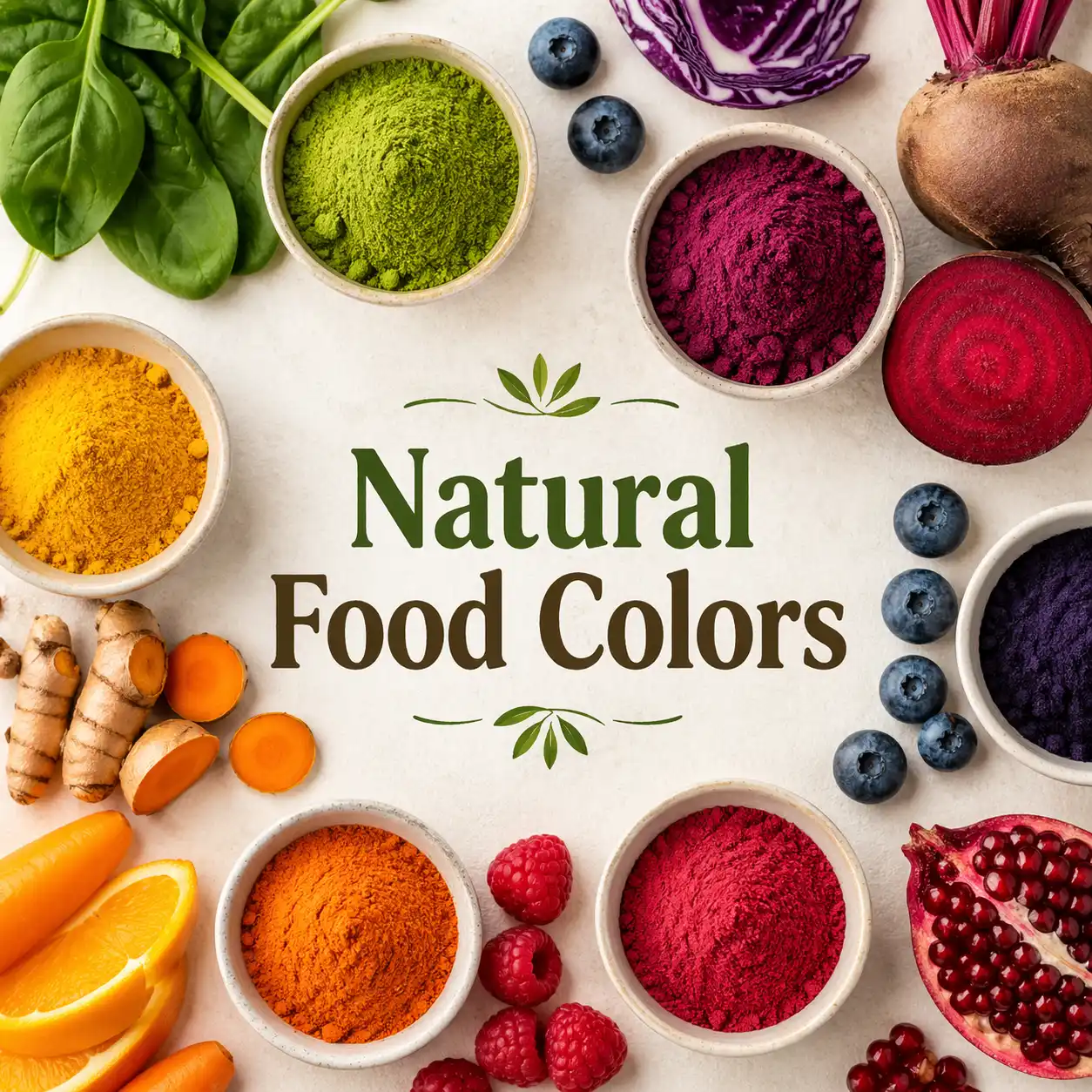
Walk down any grocery aisle today, and you’ll notice a quiet but powerful shift—labels are getting cleaner, ingredient lists shorter, and artificial additives slowly fading out. Among these changes, natural food colors have emerged as a major trend, especially natural green food coloring, which is redefining how we see—and trust—the food we eat.
The Problem with Artificial Greens
For years, vibrant green shades in foods came from synthetic dyes. While they delivered consistency and brightness, they also raised concerns. Many consumers today are wary of artificial colorants due to potential health risks, allergen sensitivities, and the growing demand for transparency in food production.
This has led brands and home cooks alike to look for safer, plant-based alternatives—without compromising on visual appeal.
What Is Natural Green Food Coloring?
Natural green food coloring is derived from plant-based sources that inherently contain green pigments. The most common sources include:
- Spinach
- Spirulina
- Chlorella
- Parsley
- Matcha (green tea powder)
These ingredients owe their color to chlorophyll, the pigment responsible for photosynthesis in plants. Unlike artificial dyes, these natural alternatives bring more than just color—they often carry nutritional benefits too.
Why Natural Green Is Gaining Popularity
The rise of natural green food coloring isn’t just a trend—it’s a response to deeper consumer concerns and preferences.
1. Clean Label Appeal
Consumers want to understand what they’re eating. “Spinach extract” sounds far more reassuring than a chemical name.
2. Health Perception
Even if used in small amounts, natural ingredients create a perception of wholesomeness and safety.
3. Sustainability
Plant-based colorants are often more environmentally friendly, especially when sourced responsibly.
4. Versatility in Applications
From beverages to bakery items, natural green coloring works across multiple food categories.
Challenges You Should Know
Despite its advantages, natural green food coloring isn’t without its challenges:
- Color Stability: Natural greens can be sensitive to heat, light, and pH changes.
- Shade Variability: Unlike synthetic dyes, achieving a consistent shade can be tricky.
- Flavor Interference: Some sources (like spinach) may subtly affect taste if not processed correctly.
However, advancements in food technology are steadily addressing these issues, making natural greens more reliable than ever.
Applications in Everyday Foods
Natural green food coloring is now widely used across industries and home kitchens. Some popular applications include:
- Bakery Products: Cakes, frostings, and macarons
- Beverages: Smoothies, juices, and health drinks
- Confectionery: Gummies, candies, and chocolates
- Savory Foods: Pasta, sauces, and dips
Matcha-flavored desserts, spirulina smoothies, and herb-infused sauces are perfect examples of how green coloring blends aesthetics with function.
Choosing the Right Source
Not all natural green colorants behave the same way. The choice depends on your application:
- Spirulina: Ideal for beverages and cold applications due to its vibrant blue-green hue
- Spinach Extract: Works well in baked goods when flavor masking is managed
- Matcha: Perfect when a green color and flavor are both desirable
Understanding these nuances can make a significant difference in the final product.
The Future of Natural Green Food Coloring
As consumer awareness continues to grow, the demand for natural food colors will only increase. Innovation is already underway to improve stability, enhance color intensity, and reduce cost barriers.
Food manufacturers are investing heavily in refining extraction techniques and developing blends that mimic the brightness of artificial dyes—without the drawbacks.
Final Thoughts
Natural green food coloring represents more than just a visual upgrade—it reflects a broader shift toward mindful eating. While it may require a bit more effort to work with compared to synthetic options, the benefits it brings in terms of safety, perception, and sustainability make it worth the transition.
In a world where consumers are questioning every ingredient, going green—naturally—is no longer optional. It’s the future of food.