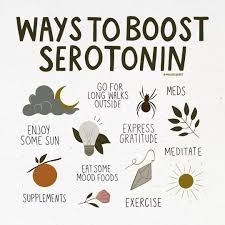
Finding gentle, natural ways to boost mood and emotional balance has become a popular topic, especially for those exploring alternatives to traditional treatments. While conventional therapies remain essential, many people are curious about the role vitamins, minerals, and other nutrients might play in supporting mental well-being. Understanding which options actually make a difference—and which are surrounded by more hype than evidence—can help individuals make informed choices about their own journey toward better mood support.
Vitamin D, B vitamins and magnesium for emotional balance
When it comes to supporting emotional health with supplements, vitamin D is often mentioned first. Research suggests that low vitamin D levels are linked to an increased risk of depressive symptoms, especially during the darker months. However, the evidence for vitamin D as a standalone treatment is mixed. Moderate doses—typically up to 2,000 IU daily—may offer some benefit as an adjunct to other strategies, but higher doses don’t necessarily lead to better results. For those interested in a deeper dive, this overview of supplements for depression covers what works and what doesn’t.
B vitamins, particularly B9 (folate) and B12, are also commonly discussed. These nutrients are involved in brain chemistry and energy production, and deficiencies can sometimes mimic or worsen depressive symptoms. However, not everyone with depression benefits from B vitamin supplementation, and genetic factors can influence how the body uses these vitamins. Magnesium is another mineral gaining attention. It plays a role in nerve function and mood regulation, but its relationship with depression isn’t straightforward—too little or too much can both be problematic. For some, magnesium supplements may help, especially if their diet is lacking.
Omega-3s and natural support for mood
Omega-3 fatty acids, found in fish oil and certain plant sources, have been studied for their potential to support emotional balance. Some research points to a modest effect, particularly for people who don’t get enough omega-3s in their regular diet. The two main types—EPA and DHA—are thought to influence brain cell communication and inflammation, both of which can affect mood. While omega-3 supplements are not a cure-all, they may be a helpful addition for some individuals, especially those with mild symptoms or seasonal mood changes.
Natural supplements for mood often combine several ingredients, including omega-3s, B vitamins, and magnesium, to target different aspects of emotional well-being. It’s important to remember that supplements are not a replacement for professional care, but they can play a supportive role for some people. Personal experience varies, and what works for one person may not work for another. Consulting with a healthcare provider before starting any new supplement is always a wise move, especially for those already taking medication or managing other conditions.
How to find the right supplement strategy
With so many options available, it’s easy to feel overwhelmed by the world of mood support supplements. The key is to focus on what’s most likely to make a difference based on current evidence and individual needs. Vitamin D, B vitamins, magnesium, and omega-3s all have some scientific backing, but none are magic bullets. For those struggling with persistent symptoms, supplements can be one piece of a broader strategy that includes lifestyle changes, therapy, and, when needed, medication.
It’s also worth noting that the quality and dosage of supplements matter. Not all products are created equal, and more isn’t always better. Regular check-ins with a healthcare professional can help tailor a plan that fits personal goals and avoids unnecessary risks. For readers interested in exploring the broader landscape of mood support supplements, there’s a wealth of information available to help guide informed decisions. By staying curious and cautious, anyone can find a path that supports their emotional balance in a way that feels right for them.