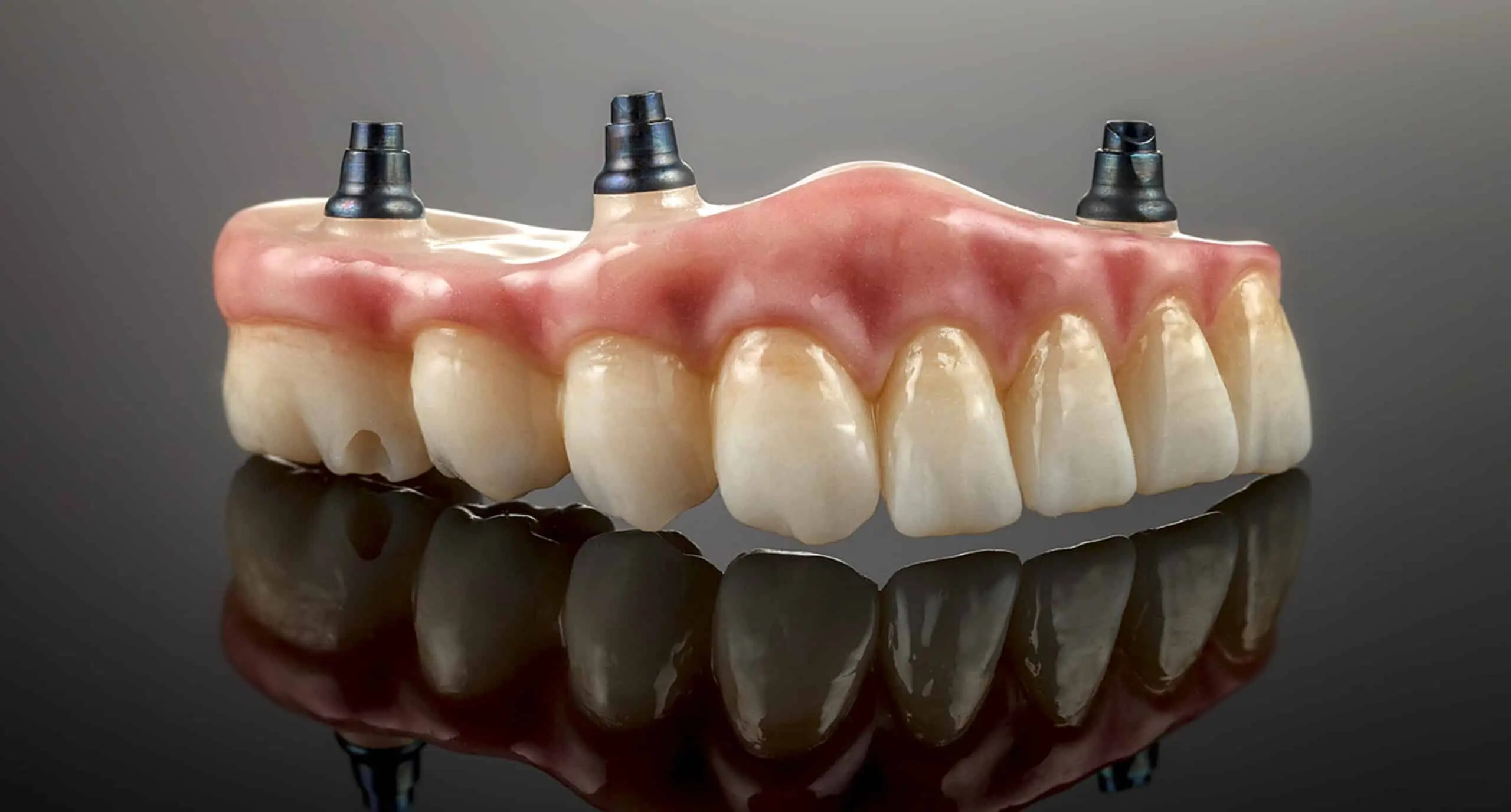
You might be feeling something is “off” with your teeth or dentures, even if you cannot quite name it. Maybe your jaw feels tired by the end of the day, your new implant denture feels strong but a little awkward, or you are worried that your bite might not be lining up the way it should. You finally got the treatment from a dentist in Scarsdale, NY that was supposed to give you your smile and chewing back, yet now you are left wondering if this is how it is supposed to feel.
- What does “occlusion” mean for implant dentures and why should you care?
- When your bite is off, what actually happens to your implants and dentures?
- What does a “good” bite on implant dentures feel like in real life?
- How do balanced bite forces protect your implant dentures over time?
- Comparing common bite situations with implant dentures
- What can you do right now to protect your bite and your implant dentures?
- Moving forward with more confidence about your bite
If you are in that space, you are not alone. Many people are told that once they get dental implants or dentures, everything will simply work again. Then they discover that how the teeth actually meet when they bite, called occlusion, can make the difference between comfort and constant discomfort. The short version of what you need to know is this. Your bite is not just about looks. It affects how long your implants last, how stable your dentures feel, and how comfortable your jaw, muscles, and joints are day to day. When your occlusion is set up well, implant dentures can feel natural and reliable. When it is off, you can feel it in almost every meal.
What does “occlusion” mean for implant dentures and why should you care?
Occlusion is simply how your upper and lower teeth meet when you close your mouth or chew. With natural teeth, your body has some built in flexibility. Teeth can move slightly in the bone, and the ligaments around them help absorb forces. With implants, that cushion is mostly gone. Implants are fixed into the bone, so the way your bite is set becomes even more important.
So where does that leave you if you have implant dentures or are thinking about them? It means you want more than a nice looking smile. You want a balanced, comfortable bite that spreads chewing forces safely. This is what people mean when they talk about occlusion basics for implant dentures. It is the foundation that keeps everything working smoothly.
If you are curious about how implant surgery itself works, the Mayo Clinic has a clear overview of dental implant surgery and what to expect. Once those implants are in place, your bite is the next big piece of the puzzle.
When your bite is off, what actually happens to your implants and dentures?
Imagine trying to walk in shoes where one heel is higher than the other. At first you might manage, but over time your knees, hips, and back would complain. Something similar happens when your occlusion is not balanced. Your jaw joints, muscles, and teeth all start to carry uneven loads.
Here are some common problems that come from an unbalanced bite on implant dentures.
1. Sore spots and denture instability
If one side of your denture hits harder than the other, it can rock slightly when you chew. This rocking can cause sore areas on the gums, pressure on the implants, and a sense that the denture never quite “locks in.” You might find yourself chewing on one side only because the other side feels tender or unstable.
2. Chipped or worn teeth on the denture
When certain teeth take more force than they should, they can wear down faster or even fracture. That might show up as a small chip that you ignore at first. Over time, the bite shifts even more and other teeth start to suffer, which can lead to a cycle of repairs.
3. Jaw pain, headaches, and muscle fatigue
An uneven bite can strain the muscles that control your jaw. You might wake up with tightness in your cheeks or temples, or notice headaches that seem to start around your jaws. Some people also feel clicking or discomfort near the ears where the jaw joints sit.
4. Extra stress on implants and supporting bone
Because implants do not have the same shock absorber that natural teeth do, excessive or uneven pressure can be harder on the supporting bone. Over many years, this can contribute to changes in bone levels around the implants. This is one of the reasons your dentist pays such close attention to your bite when designing and adjusting implant dentures.
So if bite problems cause all this, what does a well balanced occlusion look and feel like with implant dentures?
What does a “good” bite on implant dentures feel like in real life?
A healthy bite on implant dentures is not just something your dentist sees on a model. You feel it every day. When your occlusion is set up well, chewing should feel stable, even, and almost boring. No side should feel like it is crashing together. There should be no sharp jabs when you close, and you should not need to “search” for the right spot to bite.
Many people say a well adjusted implant denture feels more secure and strong than their old natural teeth ever did. Food is easier to manage. Speech feels clearer. Smiling feels natural because you are not worrying about things slipping or clicking. This is what a skilled denture and implant dentist is working toward when they check your bite again and again at follow up visits.
If you wear traditional dentures, you might already know how much fit and bite matter. The American Dental Association’s MouthHealthy site has a helpful overview of how dentures should fit and feel. Implant dentures use similar ideas, but the implants give extra support and stability when the bite is managed correctly.
How do balanced bite forces protect your implant dentures over time?
Because of this tension between comfort and long term stability, you might wonder how much difference occlusion really makes. The answer is that a lot of the success of implant dentures comes down to how chewing forces are distributed.
Here are a few key principles your dentist is aiming for.
Shared load. Forces are spread across multiple implants and teeth rather than concentrated on just one area.
Smoother contact. When you close, the teeth meet gradually instead of slamming into one spot first.
Guided movement. As you move your jaw side to side or forward, certain teeth on the denture guide the motion and keep other teeth from clashing.
These ideas might sound technical, yet they show up in very practical ways. Your dentures feel more stable when biting into something crusty. You can chew on both sides without thinking. You are less likely to crack a tooth on the denture. In other words, a good understanding of implant denture bite alignment is one of the quiet secrets behind a long lasting result.
Comparing common bite situations with implant dentures
It can help to see how different bite situations play out over time. The table below compares three common scenarios.
| Bite Situation | How It Feels Day To Day | Short Term Risks | Long Term Impact On Implants |
|---|---|---|---|
| Well balanced occlusion | Chewing feels even and stable. Minimal soreness. Little jaw fatigue. | Low risk of sore spots or chipped teeth on the denture. | Better protection of implants and bone. Fewer adjustments and repairs needed. |
| Mildly uneven bite | Occasional discomfort on one side. You may avoid certain foods or chew on one side more. | Sore areas on gums. Localized wear on some denture teeth. | Over time, more frequent adjustments and possible changes in bone support patterns. |
| Significantly unbalanced bite | Regular pain or pressure in certain spots. Jaw tension. Difficulty chewing harder foods. | Cracked or broken denture teeth. Irritated tissues. Possible denture fractures. | Higher stress on specific implants. Increased risk of complications and the need for major remakes. |
Seeing it this way, you can understand why a dentist may seem very particular about small adjustments. Those small changes in your bite now can prevent bigger issues later.
What can you do right now to protect your bite and your implant dentures?
You do not need to become an expert in occlusion to protect your implants. You just need to pay attention to your body, speak up, and follow a few practical steps.
1. Notice and report early warning signs
Do not wait for things to become unbearable. Call your dentist if you notice any of these changes.
- New sore spots on your gums under the denture
- One side feels like it hits first when you bite
- Clicking or shifting of the denture when chewing
- Headaches or jaw tension that seem to be getting worse
- Any chipped or cracked denture teeth
Small bite adjustments can often fix these issues quickly if they are addressed early.
2. Keep your follow up and maintenance appointments
It is easy to skip visits once your implant dentures are in and working “well enough.” The problem is that your mouth is always changing a little. Bone and soft tissue can remodel, habits shift, and your bite can drift. Regular checkups allow your dentist to fine tune your occlusion before problems grow. Think of these visits as tune ups that keep your implants and dentures working together smoothly.
3. Be honest about how you chew and what you eat
Your dentist can only adjust your bite based on what you share and what they see. If you tend to chew only on one side, or if you love very hard or sticky foods, say so. This helps them design a bite that works with your real life, not just with how things look in the chair. If a certain food always causes trouble, mention it. Sometimes a small bite adjustment or a change in tooth shape on the denture can make those foods much easier to manage.
Moving forward with more confidence about your bite
If you have been worried that something is wrong with your implant dentures, you are not being picky and you are not imagining things. Your comfort matters. Your ability to chew without pain matters. Understanding the basics of dental implant occlusion simply gives you language for what your body has been trying to tell you.
You do not need to solve this alone. A dentist who focuses on denture and implant dentist care can evaluate how your teeth meet, adjust your bite, and help you protect your investment in your implants for many years. The next step is simple. Pay attention to how your mouth feels over the next few days, write down anything that seems off, and schedule a visit to talk through your concerns. You deserve implant dentures that not only look like teeth, but feel like they truly belong to you.