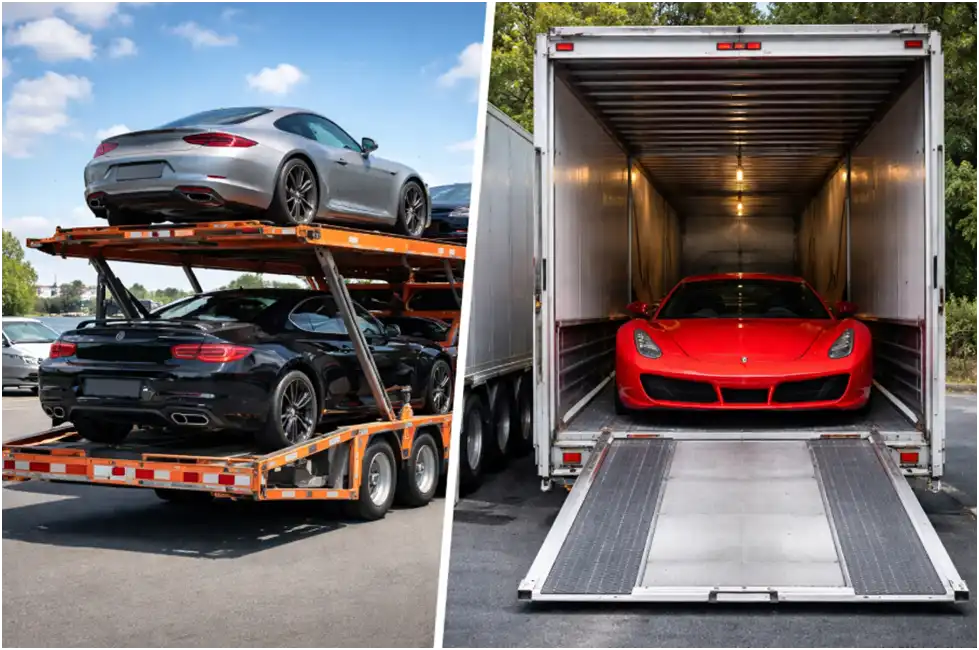
Shipping a car is a big decision, whether you are relocating across the country, buying a vehicle from out of state, or sending a prized classic to a show. One of the first choices you will face is whether to go with open or enclosed car shipping. Each option has its own advantages, price points, and ideal use cases, and picking the right one can save you money, protect your vehicle, and give you peace of mind during transit.
- What Is Open Car Shipping?
- What Is Enclosed Car Shipping?
- Key Differences Between Open and Enclosed Car Shipping
- How Much Does Car Shipping Cost?
- When Should You Choose Open Car Shipping?
- When Should You Choose Enclosed Car Shipping?
- Tips for Choosing the Right Car Shipping Option
- Final Thoughts: Which One Should You Pick?
- Frequently Asked Questions (FAQs)
In this guide, we will break down the differences between open auto transport and enclosed auto transport in simple terms, share practical tips, and help you decide which method fits your needs, your budget, and the type of car you are shipping.
What Is Open Car Shipping?
Open car shipping is the most common and widely used method of vehicle transport in the United States. You have probably seen these carriers on the highway: large, double-decker trucks loaded with 7 to 10 cars at once, fully exposed to the elements.
Because these trailers carry multiple vehicles in a single trip, open transport is considered the industry standard for everyday car shipping. Roughly 97 percent of vehicles transported in the U.S. move on open carriers, according to industry data.
Pros of Open Car Shipping
- Lower cost: Open transport is typically 30 to 50 percent cheaper than enclosed shipping due to shared space and fuel efficiency.
- Wider availability: More carriers operate open trailers, which means faster pickup and quicker delivery windows.
- Flexible scheduling: Because there are more trucks on the road, you can usually book a slot within a few days.
- Safe for standard vehicles: Reputable carriers use strong straps and secure loading practices to keep vehicles in place.
Cons of Open Car Shipping
- Exposure to weather: Rain, snow, dust, and road debris can reach your vehicle.
- Less privacy: The car is visible to anyone on the road.
- Not ideal for luxury or collector cars: Sensitive paint jobs and rare vehicles may suffer minor cosmetic wear.
What Is Enclosed Car Shipping?
Enclosed car shipping uses fully covered trailers that protect vehicles from the outside environment. These trailers are designed to haul fewer cars, usually 2 to 6 at a time, which means extra care and handling throughout the trip.
Enclosed transport is the go-to choice for classic cars, exotic vehicles, luxury brands, and anything with high sentimental or monetary value.
Pros of Enclosed Car Shipping
- Complete protection: Your vehicle is shielded from rain, snow, UV rays, debris, and road grime.
- Ideal for high-value cars: Perfect for classic, luxury, exotic, and custom vehicles.
- Added privacy: Your vehicle stays out of public view, which matters for collectors and celebrities.
- Specialized equipment: Many enclosed carriers use soft straps, hydraulic lift gates, and air-ride suspension for smoother rides.
Cons of Enclosed Car Shipping
- Higher cost: Enclosed shipping can cost 40 to 60 percent more than open transport.
- Limited availability: Fewer enclosed carriers on the road can lead to longer wait times.
- Slower scheduling: Booking may take a bit more planning.
Key Differences Between Open and Enclosed Car Shipping
Here is a quick side-by-side comparison to help you see the main differences at a glance:
| Feature | Open Car Shipping | Enclosed Car Shipping |
| Cost | Lower | Higher |
| Protection | Exposed to weather | Fully covered |
| Availability | Widely available | Limited |
| Best for | Daily drivers, SUVs, sedans | Luxury, classic, exotic cars |
| Capacity | 7 to 10 cars | 2 to 6 cars |
| Delivery Time | Usually faster | Slightly longer |
How Much Does Car Shipping Cost?
Car shipping costs depend on several factors, including distance, vehicle size, fuel prices, route, time of year, and the type of trailer. On average:
- Open transport: $500 to $1,200 for cross-country shipping, and $300 to $600 for shorter routes.
- Enclosed transport: $900 to $2,500 for cross-country shipping, and $600 to $1,200 for shorter routes.
Keep in mind that prices can rise during peak seasons like summer and during snowbird migrations in fall and spring. Booking early and being flexible with dates often saves money.
When Should You Choose Open Car Shipping?
Open transport works best for most everyday situations. Choose open shipping if:
- You are moving a standard sedan, SUV, truck, or minivan.
- Your budget is a top priority.
- You need quick pickup and delivery.
- You are shipping a dealership vehicle, leased car, or personal commuter.
- The vehicle does not have special paint, rare parts, or collector value.
For example, if you are relocating from Texas to California and need your Toyota Camry shipped affordably within a week, open transport is almost always the right pick.
When Should You Choose Enclosed Car Shipping?
Enclosed shipping is worth the extra cost in specific situations. Go with enclosed transport if:
- You own a luxury brand like Ferrari, Porsche, Bentley, or Rolls-Royce.
- You are transporting a classic or antique car that needs protection from the elements.
- Your vehicle has custom paint, vinyl wraps, or rare finishes.
- The car has low ground clearance and needs lift-gate loading.
- You are shipping to or from a harsh weather region during winter or monsoon.
- You want maximum peace of mind.
For instance, collectors moving a 1967 Ford Mustang or a new Lamborghini Huracán almost always choose enclosed transport to preserve value and originality.
Tips for Choosing the Right Car Shipping Option
Here are some practical tips to help you make the best decision:
- Know your vehicle’s value. If your car is worth more than $70,000 or holds sentimental value, enclosed shipping is a smart investment.
- Consider the weather. Shipping during winter storms or heavy rain seasons may justify enclosed transport, even for standard vehicles.
- Research the carrier. Always verify USDOT and MC numbers, check reviews, and read insurance coverage terms.
- Ask about insurance. Enclosed carriers usually offer higher coverage limits, sometimes up to $500,000 per vehicle.
- Get multiple quotes. Prices vary significantly between brokers and direct carriers. Compare at least three to five offers.
- Inspect before and after. Take clear photos of your vehicle before pickup and again after delivery to document the condition.
- Plan ahead. Booking one to two weeks in advance reduces stress and often lowers the price.
Final Thoughts: Which One Should You Pick?
If you are shipping a regular vehicle and want to keep costs down, open car shipping is a safe, reliable, and affordable choice. It is the industry standard for good reason and gets the job done efficiently.
On the other hand, if you own a luxury car, a classic beauty, or simply want the highest level of protection, enclosed car shipping is absolutely worth the extra investment. Think of it as insurance for your peace of mind.
The right choice depends on your vehicle, budget, and priorities. Take time to evaluate what matters most to you, and work with a trusted auto transport company that communicates clearly and has strong reviews.
Frequently Asked Questions (FAQs)
1. Is enclosed car shipping safer than open shipping?
Yes. Enclosed shipping offers full protection from weather, debris, and road conditions, making it safer for high-value or delicate vehicles. Open transport is still safe for standard vehicles but does not offer the same level of protection.
2. How much more expensive is enclosed car shipping?
Enclosed transport typically costs 40 to 60 percent more than open transport. The exact price depends on distance, vehicle size, and route.
3. Does my car get washed before delivery?
Most carriers do not wash vehicles during transit. Open shipping can leave your car dusty on arrival, while enclosed shipping generally delivers it in a cleaner condition.
4. How long does car shipping take?
Delivery time depends on distance. A cross-country shipment usually takes 7 to 10 days, while shorter routes can be completed in 1 to 4 days. Enclosed transport may take slightly longer due to limited availability.
5. Can I ship personal items inside my car?
Most carriers allow up to 100 pounds of personal items in the trunk, but this varies. Check with your provider first, since personal items are often not covered by insurance.
6. Do I need to be present for pickup and delivery?
Yes, either you or a trusted representative must be there to sign the Bill of Lading and inspect the vehicle before and after transport.
Choosing between open and enclosed car shipping does not have to be complicated. Once you understand your vehicle’s needs and your budget, the right option becomes clear. Take a few minutes to compare quotes, ask the right questions, and book with confidence.