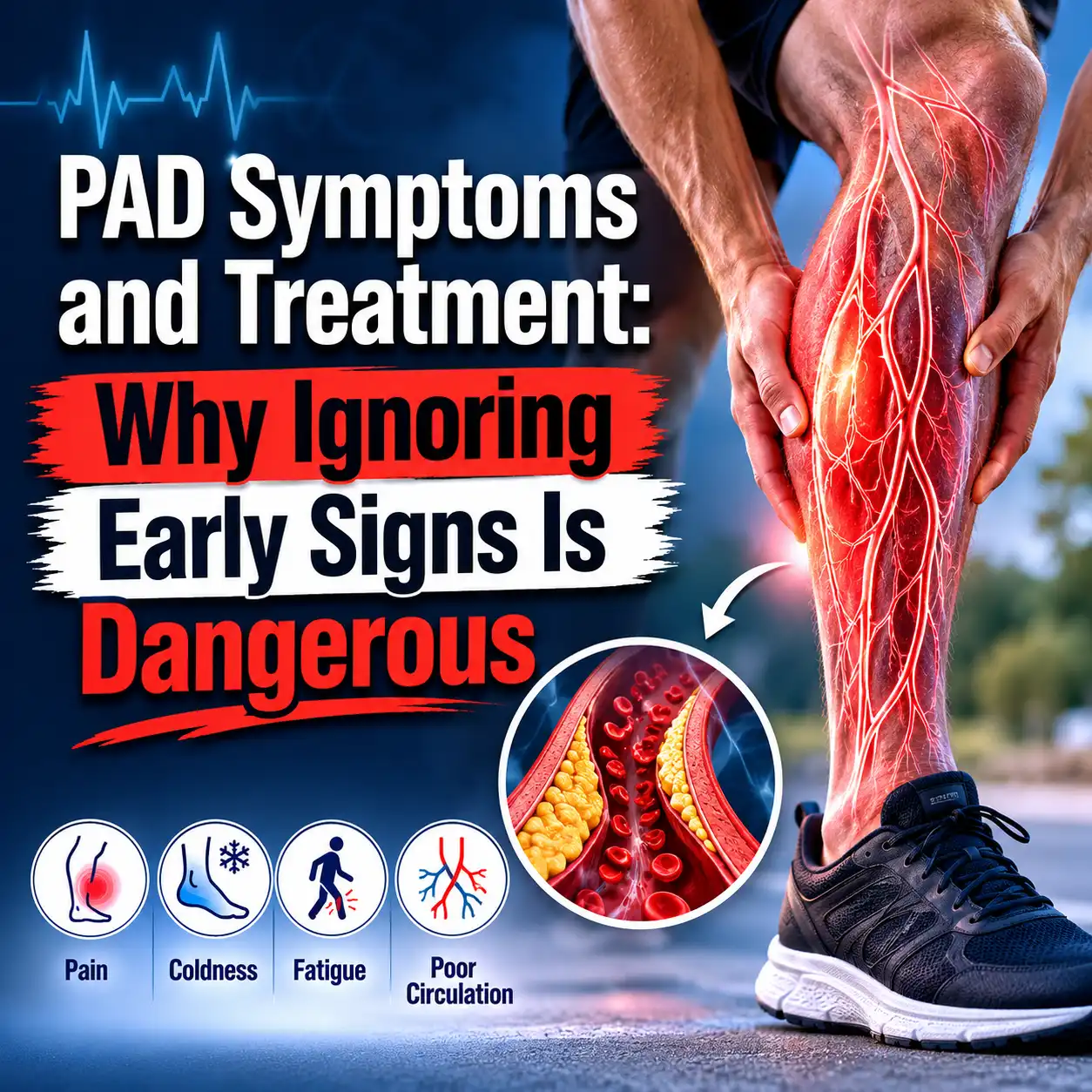
Peripheral Artery Disease (PAD) is a serious circulatory condition that affects millions of people worldwide. It occurs when arteries become narrowed due to plaque buildup, reducing blood flow to the legs and feet. Many people ignore the early warning signs, mistaking them for aging or muscle fatigue. However, untreated PAD can lead to severe complications, including infections, tissue damage, and even limb amputation.
Understanding what PAD treatment involves and why early detection saves limbs is essential for protecting long-term health and mobility. In this article, we will explore the causes, symptoms, treatment options, prevention methods, and the importance of timely diagnosis.
What Is Peripheral Artery Disease (PAD)?
Peripheral Artery Disease is a vascular condition caused by atherosclerosis, a process where fatty deposits build up inside arteries. This restricts blood circulation, especially to the lower extremities.
When blood flow decreases, muscles and tissues in the legs do not receive enough oxygen and nutrients. Over time, this can lead to pain, wounds that heal slowly, infections, and severe tissue damage.
PAD is commonly associated with cardiovascular diseases and can also increase the risk of heart attack and stroke.
Common Causes of PAD
Several factors contribute to the development of Peripheral Artery Disease.
Smoking
Smoking is one of the biggest risk factors for PAD. Tobacco damages blood vessels and accelerates plaque buildup.
Diabetes
High blood sugar levels can damage arteries and nerves, increasing the chances of poor circulation.
High Cholesterol
Excess cholesterol contributes to artery blockage and reduced blood flow.
High Blood Pressure
Hypertension puts pressure on artery walls and increases vascular damage.
Obesity
Being overweight can worsen circulation problems and increase inflammation.
Aging
People over the age of 50 are at a higher risk of developing PAD.
Family History
Genetics can also play a role in vascular diseases.
Early Symptoms of PAD
Recognizing the warning signs early can prevent serious complications.
Leg Pain While Walking
This condition, known as claudication, causes pain or cramping during physical activity that improves with rest.
Numbness or Weakness
Reduced blood circulation can lead to tingling sensations and muscle weakness.
Cold Feet or Legs
One leg or foot may feel colder than the other due to poor circulation.
Slow-Healing Wounds
Cuts or sores on the feet may take longer to heal.
Skin Color Changes
The skin may appear pale, bluish, or shiny.
Hair Loss on Legs
Reduced blood flow can affect hair growth on the legs and feet.
Weak Pulse in the Feet
Doctors often check foot pulses during diagnosis.
Why Early Detection Saves Limbs
Early diagnosis of PAD can significantly reduce the risk of complications.
When PAD is left untreated, blood flow may become critically low. This condition is known as Critical Limb Ischemia (CLI). In severe cases, tissues begin to die due to lack of oxygen, leading to gangrene and infection.
At this stage, amputation may become necessary to prevent the spread of infection.
However, detecting PAD early allows doctors to improve circulation before permanent damage occurs. Proper treatment can restore blood flow, heal wounds, reduce pain, and preserve mobility.
Early treatment also lowers the risk of heart attacks and strokes associated with vascular disease.
How PAD Is Diagnosed
Doctors use several tests to confirm PAD and assess blood flow.
Physical Examination
A physician checks pulses, skin condition, and leg temperature.
Ankle-Brachial Index (ABI)
This common test compares blood pressure in the ankle with blood pressure in the arm.
Ultrasound Imaging
Doppler ultrasound helps visualize blood flow in arteries.
Angiography
Special imaging techniques identify narrowed or blocked arteries.
Blood Tests
Blood tests help detect diabetes, cholesterol levels, and inflammation.
What PAD Treatment Involves
PAD treatment focuses on improving blood flow, reducing symptoms, and preventing complications.
Lifestyle Changes
For many patients, treatment begins with healthier lifestyle habits.
Quit Smoking
Stopping smoking is the most effective way to slow disease progression.
Exercise Therapy
Supervised walking programs improve circulation and strengthen leg muscles.
Healthy Diet
A heart-friendly diet low in saturated fat and sugar helps reduce plaque buildup.
Weight Management
Maintaining a healthy weight reduces stress on the cardiovascular system.
Medications for PAD
Doctors may prescribe medications to manage symptoms and prevent complications.
Blood Thinners
These medications help reduce clot formation.
Cholesterol-Lowering Drugs
Statins help lower cholesterol and protect arteries.
Blood Pressure Medication
Controlling hypertension improves vascular health.
Diabetes Management
Managing blood sugar is essential for reducing artery damage.
Minimally Invasive PAD Procedures
In moderate or severe cases, medical procedures may be necessary.
Angioplasty
A small balloon is inserted into the artery and inflated to widen the blockage.
Stent Placement
A mesh tube called a stent keeps the artery open after angioplasty.
Atherectomy
Doctors remove plaque buildup using specialized devices.
These minimally invasive treatments often provide faster recovery and improved blood circulation.
Surgical Treatment for Severe PAD
When blockages are extensive, surgery may be required.
Bypass Surgery
Surgeons create a new pathway for blood flow around blocked arteries.
Limb Salvage Procedures
Advanced vascular techniques aim to restore circulation and prevent amputation.
Modern surgical treatments have significantly improved limb preservation rates.
Risks of Ignoring PAD
Ignoring PAD symptoms can lead to serious health consequences.
Chronic Pain
Reduced circulation can make walking difficult and painful.
Infections
Poor blood flow weakens the body’s ability to heal wounds.
Tissue Death
Severe oxygen deprivation causes tissue damage and gangrene.
Amputation
Untreated Critical Limb Ischemia may require toe, foot, or leg amputation.
Heart Attack and Stroke
PAD is often a sign of widespread artery disease throughout the body.
How to Prevent Peripheral Artery Disease
Prevention plays a major role in vascular health.
Stay Physically Active
Regular exercise improves blood circulation.
Eat a Balanced Diet
Focus on vegetables, fruits, whole grains, and lean proteins.
Avoid Smoking
Smoking cessation dramatically lowers PAD risk.
Monitor Blood Sugar
Diabetic patients should maintain stable glucose levels.
Get Regular Health Checkups
Routine screenings help detect circulation issues early.
Who Is Most at Risk?
Certain groups should be especially aware of PAD symptoms.
- Smokers
- Diabetic patients
- Adults over 50
- Individuals with high blood pressure
- People with high cholesterol
- Obese individuals
- Those with a family history of vascular disease
If you belong to any of these groups, regular vascular screenings may help detect PAD before complications arise.
The Emotional and Physical Impact of PAD
PAD affects more than just physical health. Chronic pain and mobility issues can reduce independence and quality of life.
Many patients struggle with anxiety, depression, and social isolation due to difficulty walking or fear of amputation.
Timely treatment not only protects limbs but also improves emotional well-being and daily functioning.
Advances in Modern PAD Treatment
Medical technology continues to improve PAD care.
Advanced imaging systems, minimally invasive procedures, drug-coated balloons, and innovative stents have increased treatment success rates.
Many patients can now receive treatment with shorter hospital stays and quicker recovery times.
Early diagnosis combined with modern therapies greatly improves long-term outcomes.
Final Thoughts
Peripheral Artery Disease is a dangerous but treatable condition. Understanding what PAD treatment involves and why early detection saves limbs can help individuals seek medical care before severe complications develop.
Ignoring symptoms like leg pain, numbness, or slow-healing wounds can lead to life-changing consequences. Fortunately, lifestyle changes, medications, minimally invasive procedures, and surgery can restore blood flow and protect limb health.
If you notice signs of poor circulation, consult a healthcare professional as soon as possible. Early action can save not only your limbs but also your overall health and quality of life.