Your golden retriever discovered the gap under the back fence again. By the time you noticed, she was three houses down, covered in mud, greeting strangers like long-lost friends. Seattle’s wet climate creates unique challenges for pet containment. Soft soil shifts, wood swells, and suddenly your secure yard develops escape routes you never saw coming.
Seattle-Specific Solutions for Pet Safety
Most Pacific Northwest homeowners discover their yard isn’t truly pet-proof only after the third escape attempt or the emergency vet visit. The good news? Companies like Cool Cat Fence have developed Seattle-specific solutions that account for our region’s relentless moisture, clay soil, and the particular determination of dogs who’ve figured out that digging pays off. The better news? Many essential upgrades require just a weekend and some strategic thinking.
Walk Your Property Like a Dog Would
Start with a perimeter inspection during wet weather; that’s when vulnerabilities show themselves. Look for gaps wider than one inch along fence lines, especially where panels meet posts. Seattle’s freeze-thaw cycles and constant moisture cause wood to contract and expand, creating spaces that weren’t there six months ago.
Test every gate latch by pushing firmly from both sides. If you can budge it, your dog will solve it within a week. Check for erosion beneath fence panels where clay soil has washed away, leaving perfect tunnels for escape artists. Those decorative gaps at the bottom that looked charming in summer? They’re highways in November.
Anti-Dig Solutions That Actually Work
Board-on-board privacy fencing eliminates the gaps and sight lines that trigger fence running and digging attempts. For dogs who excavate regardless, bury L-shaped wire mesh 12-18 inches deep along fence lines, extending horizontally underground. Seattle’s clay-heavy soil makes digging harder than sandy regions, but moisture cycles cause the ground to shift, which means barriers need to go deeper than you’d expect.
Pressure-treated boards extending two inches below grade create immediate deterrents. River rock borders along fence lines serve double duty: they drain quickly after rain and create uncomfortable surfaces for paws attempting to dig. Keep in mind that upgrading fence functionality with anti-dig features costs significantly less than replacing panels damaged by determined diggers or paying impound fees.
Gate Security for the Forgetful
Install self-closing hinges with enough tension to overcome Seattle wind. Mount latches at adult height, not at dog-nose level where curious snouts can investigate. Add secondary slide bolts for visitors who inevitably forget to secure gates properly. Package carriers, lawn crews, and well-meaning neighbors will absolutely leave gates ajar; plan accordingly.
Keep climbable objects like storage boxes, stacked firewood, and benches at least three feet from fence lines. Dogs who can’t dig learn to climb, and you’d be surprised what a motivated terrier can scale.
Materials That Handle Wet Paws and Clay Mud
Composite surfaces resist splintering and develop less algae than traditional wood, but they’re expensive for full-yard installations. Focus composite materials on high-traffic zones near doors and under covered areas. Pea gravel paths provide natural drainage and self-cleaning for muddy paws; they’re also difficult to dig through, which stops excavation attempts before they start.
Avoid pressure-treated lumber with older CCA formulas near areas where pets rest or chew. Current ACQ or MCA treatments are safer, but composite boards eliminate the question entirely for deck surfaces and low barriers.
Dry Zones and Drainage for Year-Round Comfort
Seattle pets deal more with damp cold than extreme heat, but they still need protected areas for year-round outdoor time. Covered porches or simple roof extensions create essential dry zones where water bowls stay clean and pets can rest without sitting in puddles. Without shelter, outdoor spaces become unusable for months, and dogs develop the habit of refusing to go outside entirely during wet weather.
French drains along fence lines prevent the standing water that turns clay soil into sticky mud bowls. If your pets have worn race tracks into the grass, those paths will flood without proper grading. Channel drains near gate areas capture runoff before it erodes soil beneath panels. Good drainage protects your fence investment while reducing the slick, algae-coated surfaces that cause slips when dogs run. Add low solar path lights along fence lines so pets can navigate safely during December’s 4 PM sunsets.
Plant Choices That Won’t Poison Curious Chewers
Classic Pacific Northwest landscaping includes gorgeous plants that are surprisingly toxic. Rhododendron, foxglove, yew, and azaleas are common in Seattle gardens but dangerous for dogs who investigate everything with their mouths. Relocate toxic plants to front yards or raised beds behind barriers.
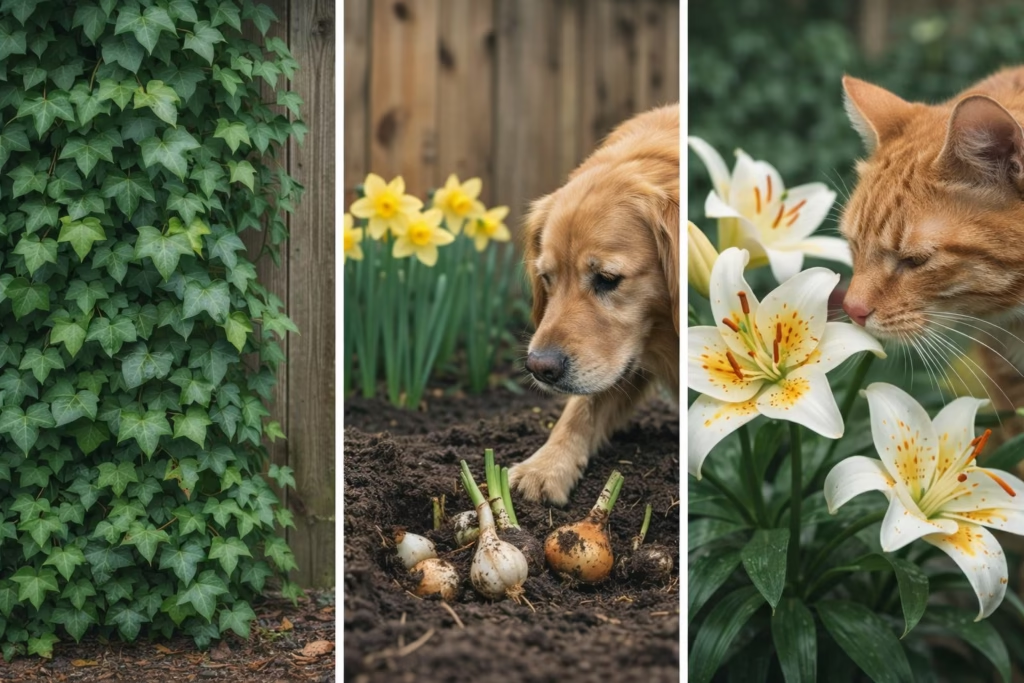
English ivy looks beautiful climbing fences but causes gastrointestinal distress in pets who nibble leaves. Daffodil bulbs (which dogs unearth with enthusiasm during spring planting season) contain compounds that cause serious vomiting. Lilies are particularly dangerous for cats, even in small amounts.
Chemical Safety Without Compromising Lawn Health
Choose organic lawn treatments and keep pets off treated grass until products fully dry, typically 24-48 hours in Seattle’s humidity. Avoid cocoa mulch entirely; it contains theobromine, the same compound that makes chocolate toxic to dogs. Replace rodent poisons with snap traps in sealed boxes. Metaldehyde-based slug baits cause seizures; modern iron phosphate formulas are pet-safer alternatives.
The Weekend Action Plan
Pet-proofing your backyard isn’t a single-day project, but it’s also not the months-long renovation you’re imagining. Most Seattle homeowners can address the essentials (fence gaps, gate latches, toxic plant removal, and anti-dig barriers) in a focused weekend. The investment pays off in peace of mind, fewer emergency vet visits, and the quiet satisfaction of watching your dog enjoy the yard without plotting escape routes.