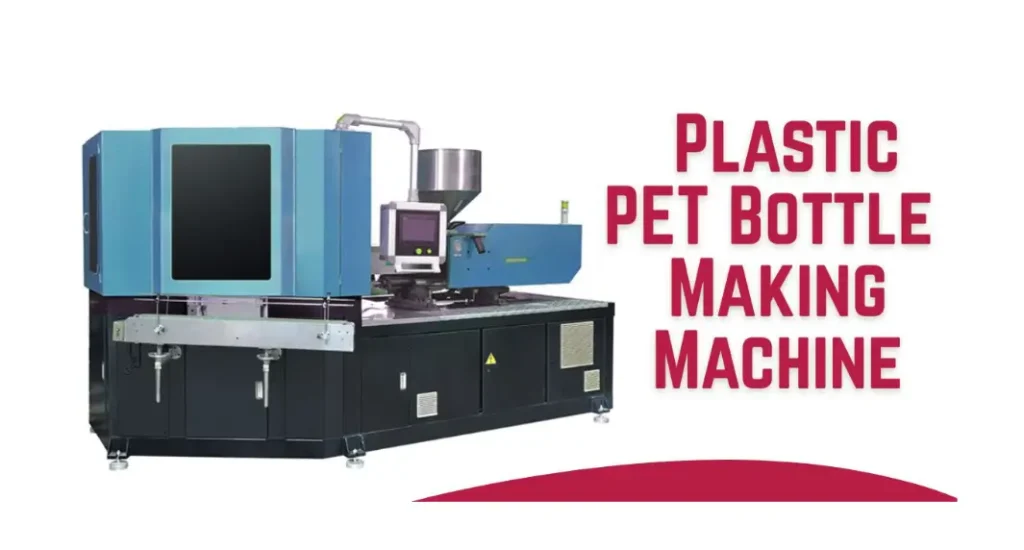
An advanced industrial system is used to produce PET bottles for packaging water, beverages, oils, cosmetics, and pharmaceutical products.
A plastic PET bottle making machine transforms raw PET material into strong, lightweight bottles through controlled heating, molding, and blow molding techniques. It is widely adopted in modern packaging industries due to its high production speed, uniform quality, and cost-effective operation.
A plastic PET bottle making machine shapes PET material into preforms and then expands them into finished bottles using high-pressure air within specially designed molds.
What is a Plastic PET Bottle Making Machine and How It Works
A plastic pet bottle making machine is based on stretch blow molding technology, which is the most common method for producing PET bottles. The machine follows a structured process that ensures each bottle is uniform in shape, strength, and clarity.
Step-by-step working process
- PET pellets are melted and injected into molds to create preforms
- Preforms are cooled and stored for later use
- Preforms are heated again to make them soft and flexible
- High-pressure air is used to expand the preform inside a bottle mold
- The mold shapes the bottle while cooling it rapidly
- Finished bottles are ejected automatically for collection
The working principle ensures minimal material waste and high production efficiency. The plastic pet bottle making machine is designed for continuous operation, making it suitable for large-scale manufacturing units.
Types of Plastic PET Bottle Making Machines Used in Industry
Different industries require different production capacities, so manufacturers offer multiple machine types. Each plastic pet bottle making machine is designed to meet specific business needs, from small startups to large bottling plants.
Common machine types and their features
- Semi-automatic machines for small production setups and lower investment
- Fully automatic machines for continuous production with minimal human involvement
- Rotary high-speed machines for large beverage industries and mass production needs
- Injection stretch blow molding systems for precise preform and bottle manufacturing
These machines vary in speed, automation level, and output capacity. A semi-automatic system is more affordable but requires manual handling, while fully automatic systems reduce labor and improve production efficiency.
Core Components and Technical Structure of the Machine
The performance of a plastic pet bottle making machine depends on its internal systems. Each component plays a role in ensuring smooth production and consistent bottle quality.
Main components and their functions
- Injection unit for producing PET preforms from raw material
- Heating system that softens preforms evenly before blowing
- Stretching rod system that elongates preforms during molding
- Air pressure unit that inflates plastic into bottle shape
- Cooling system that stabilizes the bottle structure quickly
- PLC control panel for managing temperature, pressure, and timing
These components work together in a synchronized process. Modern machines also include energy-saving systems and automated monitoring features to improve production stability and reduce operational costs.
Applications and Uses of Plastic PET Bottle Making Machines
A plastic pet bottle making machine is widely used across multiple industries due to the versatility of PET material. The bottles produced are safe, lightweight, and resistant to impact, making them suitable for various liquid packaging needs.
Major application areas
- Bottled water production plants for safe drinking water packaging
- Soft drink and juice industries for beverage bottling
- Cooking oil packaging factories for household oil containers
- Cosmetic industry for shampoo, lotion, and skincare bottles
- Pharmaceutical sector for syrups, liquid medicines, and medical packaging
The flexibility of PET bottles allows manufacturers to create different shapes and sizes based on branding and product requirements. This makes the machine essential for modern packaging industries.
Advantages and Performance Benefits of PET Bottle Manufacturing Systems
Using a plastic pet bottle making machine offers several operational and commercial benefits. It is designed to support large-scale production while maintaining quality consistency.
Key advantages in production
- High-speed manufacturing suitable for industrial demand
- Low material waste due to precise molding technology
- Strong and lightweight bottles ideal for transportation
- Consistent shape and clarity across all produced bottles
- Ability to produce multiple bottle designs using different molds
- Reduced labor cost with automated production systems
These benefits make PET bottle machines a preferred choice in packaging industries. The automation level also helps businesses scale production without increasing operational complexity.
Choosing the Right Plastic PET Bottle Making Machine for Your Business
Selecting the right machine depends on production goals, budget, and factory size. A careful evaluation ensures better efficiency and long-term profitability.
Important factors to consider
- Production capacity required per hour or per day
- Level of automation needed for your operations
- Type of bottles you plan to manufacture
- Energy consumption and operating efficiency
- Availability of spare parts and technical support
- Mold compatibility for different bottle designs
Small businesses often start with semi-automatic machines, while large industries invest in fully automatic systems for continuous production. Understanding your production demand helps in selecting the most suitable machine configuration.
Maintenance and Operational Best Practices
Proper maintenance of a plastic pet bottle making machine ensures long-term performance and reduces breakdown risks. Regular inspection and cleaning help maintain production quality and machine stability.
Maintenance guidelines
- Regular cleaning of molds to prevent defects in bottles
- Checking air pressure systems for stable performance
- Monitoring heating elements for consistent temperature control
- Lubricating moving parts to reduce wear and friction
- Inspecting electrical systems and control panels regularly
Following these practices helps improve machine lifespan and ensures smooth production without interruptions. Preventive maintenance is always more cost-effective than emergency repairs.
Why PET Bottle Manufacturing Machines Remain a Strong Industrial Investment
A plastic pet bottle making machine continues to be a reliable investment for manufacturers because demand for packaged beverages and liquids keeps growing. Its ability to produce high volumes with consistent quality makes it suitable for both small and large-scale production environments.
Modern systems are also becoming more energy efficient and easier to operate, which helps businesses reduce operational costs while maintaining output quality. With the right setup and maintenance, this machine can support long-term production goals and stable business growth.