Few places on Earth match the raw, untamed beauty of Alaska’s National Parks. Towering peaks, sprawling glaciers, and abundant wildlife await those willing to venture into these remote landscapes. But the very wildness that makes these parks so special also demands serious preparation. This guide walks you through everything you need to know—from choosing the right park to staying safe in bear country—so you can focus on the adventure ahead.
Choosing Your Alaskan Wilderness Destination
Alaska is home to eight national parks, each with its own personality and pull. Picking the right one depends on what you hope to see and do.
Diversity of Parks
The variety across Alaska’s parks is remarkable. Denali National Park draws visitors with North America’s tallest peak and accessible wildlife viewing along its single road. Kenai Fjords showcases dramatic coastal glaciers and marine life. Gates of the Arctic, located entirely above the Arctic Circle, offers true backcountry solitude with no roads or trails at all. Wrangell-St. Elias, the largest national park in the United States, spans over 13 million acres of mountains and rivers.
Understanding these differences early helps you match a park to your skill level, interests, and the amount of time you have.
Selecting by Activity
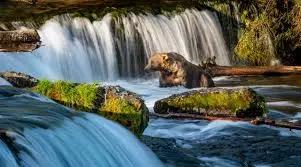
Your ideal park depends heavily on the experience you’re after. If watching brown bears catch salmon is high on your list, Katmai National Park is hard to beat—and securing lodging in King Salmon, Alaska, puts you within easy reach of its famous Brooks Falls. Hikers and mountaineers may gravitate toward Denali, while those craving glacier kayaking will find Kenai Fjords ideal. Anglers, photographers, and birdwatchers all have their own perfect match. Decide what matters most to you, then build your trip around it.
Navigating the Alaskan Backcountry
Getting to and around Alaska’s parks is part of the adventure—and often one of the biggest logistical hurdles.
Transportation Challenges
Unlike many parks in the lower 48 states, most of Alaska’s parks aren’t a quick drive from a major city. Distances are vast, road networks are limited, and weather can disrupt even the best-laid plans. Renting a vehicle gives you flexibility for road-accessible parks, but expect long drives between destinations. Build extra time into your itinerary to account for delays.
Remote Access
Several parks can only be reached by small aircraft or boat. Bush planes are a common way to access remote areas, landing on gravel bars, lakes, or tundra. These flights are weather-dependent, so flexibility is essential. Boat charters serve coastal parks, offering both transportation and wildlife viewing along the way. Book these services well in advance, as availability fills quickly during the short summer season.
Essential Gear and Packing Strategies
The right gear can make the difference between a comfortable trip and a miserable one. Alaska’s conditions change fast, so packing smart is non-negotiable.
Layering for Alaskan Weather
Weather in Alaska is famously unpredictable. A sunny morning can turn into cold rain by the afternoon. The solution is layering. Start with a moisture-wicking base layer, add an insulating mid layer like fleece or down, and top it off with a waterproof, windproof outer shell. Don’t forget warm socks, a hat, and gloves—even in summer. Quick-drying, synthetic fabrics outperform cotton, which holds moisture and chills you fast.
Wildlife Safety Gear
Carrying the right safety equipment is just as important as dressing well. Bear spray is essential and should be kept easily accessible, not buried in your pack. Bring a sturdy pair of binoculars to observe animals from a safe distance. Bear-resistant food containers are required in many areas to keep both you and the wildlife safe. A reliable first-aid kit rounds out the essentials.
Wildlife Encounters and Preservation
Alaska’s wildlife is one of its greatest draws, but encounters come with responsibility. Protecting these animals means protecting yourself, too.
Respecting Wildlife
Always observe animals from a distance. Getting too close stresses wildlife and can provoke dangerous reactions. Never feed animals, as this disrupts their natural behavior and can lead to their being euthanized. Use a telephoto lens or binoculars to enjoy close-up views without intruding. Remember that you are a visitor in their home.
Bear Safety Protocols
Bears are a real presence in most Alaskan parks. Make noise as you hike to avoid surprising one, especially in dense brush or near rushing water. Travel in groups when possible. Store all food and scented items in bear-resistant containers, away from your sleeping area. If you encounter a bear, stay calm, speak in a steady voice, and back away slowly—never run. Knowing the difference between a defensive bear and a predatory one can be lifesaving, so review bear safety guidance before you go.
Understanding Park Regulations and Permits
Alaska’s parks operate under specific rules designed to protect both visitors and the environment. Knowing them ahead of time keeps your trip smooth.
Permit Requirements
Some parks require permits for backcountry camping, river trips, or mountaineering. Requirements vary widely from park to park, so check the specific regulations for your chosen destination well before you arrive. Popular permits can be limited and fill early, particularly during peak season. Securing them in advance saves disappointment later.
Leave No Trace Principles
These wilderness areas remain pristine because visitors take care to keep them that way. Pack out everything you bring in, including all trash. Stick to durable surfaces when traveling and camping to minimize your impact. Properly dispose of human waste according to park guidelines. Leaving no trace ensures these landscapes stay wild for generations to come.
Staying Connected and Safe
In Alaska’s remote parks, help can be hours or even days away. Planning for communication and emergencies is critical.
Communication in Remote Areas
Cell service is nonexistent across most of Alaska’s backcountry. A satellite messenger or satellite phone lets you stay in touch and call for help if needed. Share your detailed itinerary with someone reliable before you leave, including your expected return date. Check in when you can, and have a plan for what happens if you don’t return on schedule.
Emergency Preparedness
Self-reliance is the name of the game in the Alaskan wilderness. Carry a well-stocked first-aid kit and know how to use it. Pack extra food and supplies in case bad weather strands you longer than planned. Learn basic wilderness first aid before your trip. Understanding how to handle injuries, hypothermia, and other emergencies could save a life when professional help is far away.
Conclusion
Alaska’s National Parks reward those who come prepared with experiences few other places can offer. By choosing the right park, packing thoughtfully, respecting wildlife, and planning for the unexpected, you set yourself up for a safe and unforgettable journey. The wild is calling—answer it wisely, and Alaska will give you memories that last a lifetime.