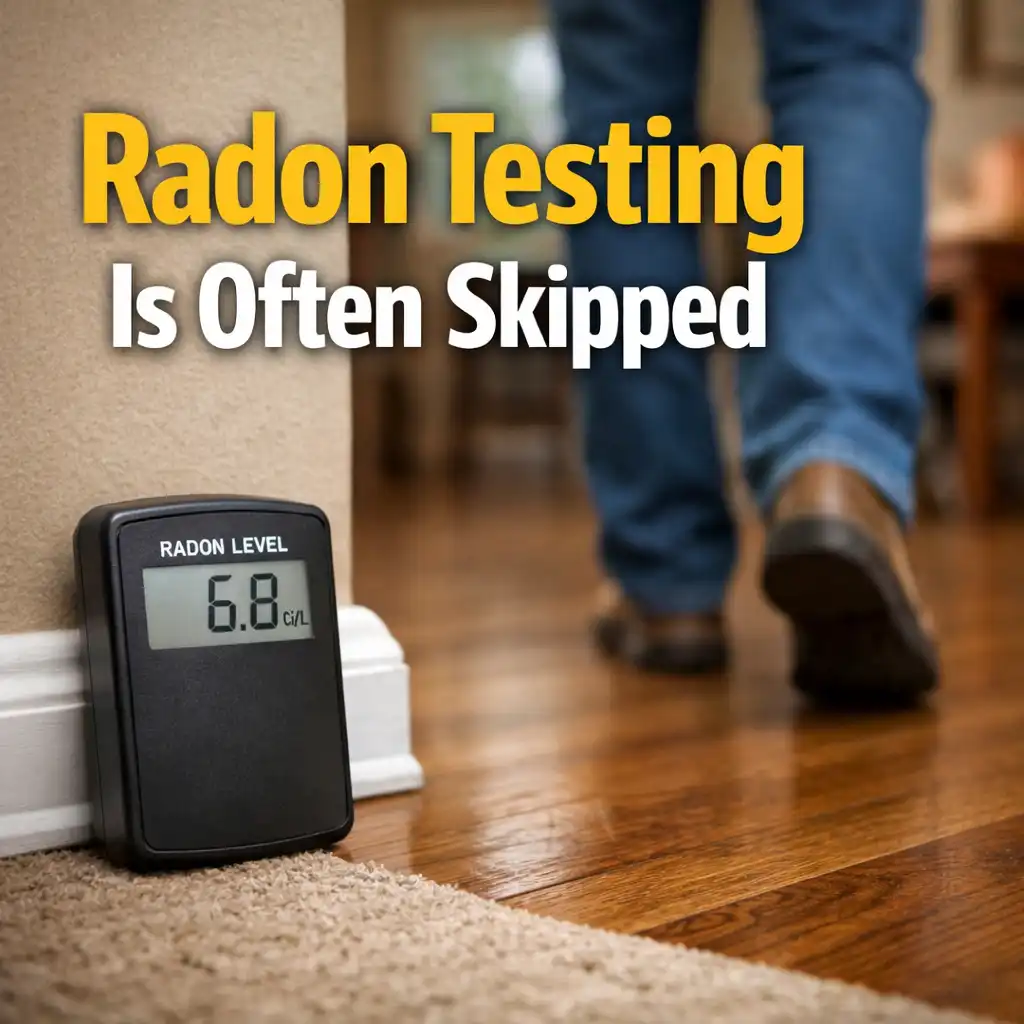
As with most properties, they have to be accounted for in terms of safety and comfort. However, one of the most important evaluations frequently neglected is radon testing. Such negligence poses a risk of harm to its residents.
Understanding Radon and Its Sources
Homebuyers concerned about air quality often schedule radon testing in Huntsville, AL, during property inspections. Radon is a common, naturally occurring gas found in soil and rock. This unseen material seeps into houses from cracks and crevices and can go undetected for months at a time. Seasonal variability in its presence occurs in response to weather and ventilation changes or to building usage.
Why Radon Test Is Skipped by Many Property Owners
There are several reasons why radon testing is often neglected. Despite radon’s health risks, many folks remain unaware of it or believe it is harmless where they live. Buyers, or renters for that matter, may tend to think new construction equals less risk, but that is not always the case. In some cases, testing seems too expensive or time-consuming, leading property owners to avoid it.
Misconceptions About Safety
One misconception is that radon only occurs in certain areas or types of buildings. But radon, not a mold, can be in any building at any time, regardless of whether the house/studio/office is brand new or a hundred years old. A common myth is that a home with no visible cracks or moisture issues is safe, but radon can enter even the best-sealed spaces. Such misunderstandings are part of the reason for the lack of action.
The Invisible Health Threat
After cigarette smoking, radon exposure is one of the most significant causes of lung cancer. What makes radon different from many other hazards is that it cannot be detected without testing; radon is odorless, colorless, and tasteless. Long-term exposure to this gas greatly increases the chances of developing severe illness, particularly for children and the elderly, as well as those with pre-existing respiratory conditions.
Short-Term and Long-Term Risks
Radon exposure is usually undetected in the short term. But over time, repeated breathing in destroys lung tissue and increases cancer risk. The longer the exposure, the greater the risk. But for families residing in those impacted properties, this silent killer can be present for many years before anyone shows signs of illness.
Testing: Simple Yet Often Ignored
Testing for radon is a simple process in which a small device is placed in the lowest lived-in level of a home. The tests are inexpensive and widely available, with results often in days. Many property owners often skip this simple and straightforward step, either underestimating the risk or believing their home is secure.
Financial and Emotional Consequences
The consequences of neglecting radon testing can be expensive medical bills, emotional trauma upon the potential death of a family member, and decreased property value or costly mitigation if a property has high radon levels. Early prevention can save significant money and worry, but if we wait until something goes wrong, we can only blame ourselves.
The Role of Education and Awareness
It is just as important to communicate the risks of radon. Community- and school-based campaigns may also raise awareness of the importance of regular testing. So do real estate agents and all health workers, who have the responsibility to share accurate information and motivate people to act safely.
Easy Steps Toward Safer Living
Sit still and do a simple test. If detected, radon mitigation systems can effectively mitigate high radon levels. These types of systems typically include venting the gas outside and sealing entry points. Follow-up tests, especially after major renovations or changes in heating and cooling systems, help guarantee ongoing safety.
Conclusion
Passing on radon tests may feel innocent, but the health implications are consequential and not temporary. Being aware and checking in advance saves families and investments from unnecessary hardships. Regular, routine radon testing is always a smart move for anyone concerned about health and safety.