

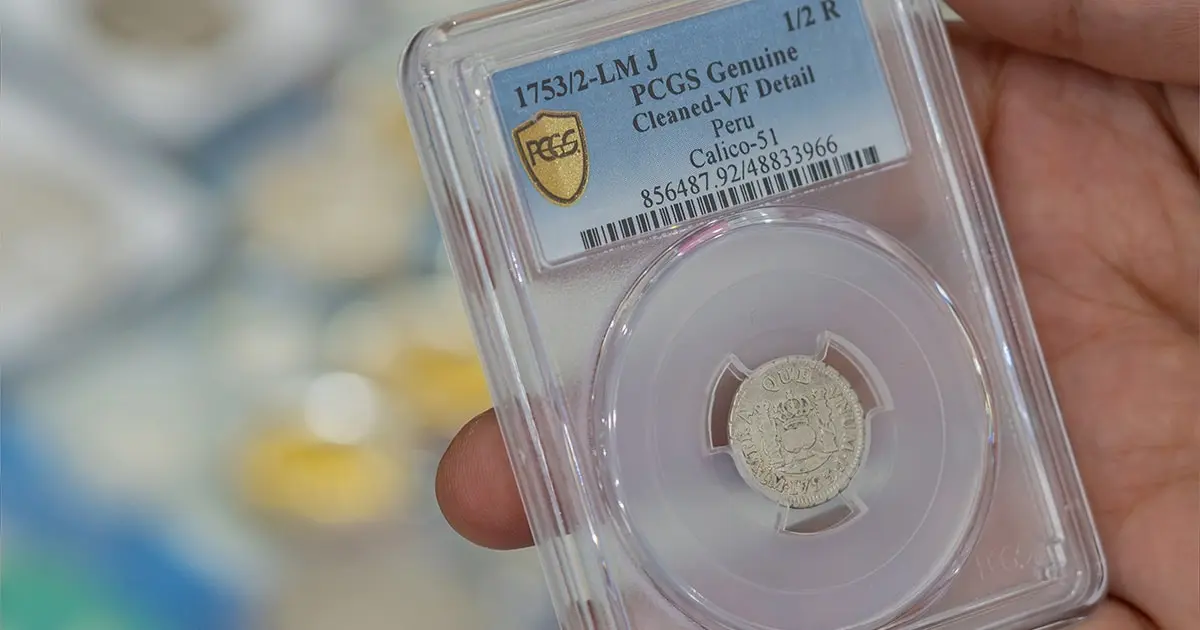
Collecting rare coins is a fascinating pursuit that blends history, art, and investment. Whether you’re a novice enthusiast or a seasoned numismatist, understanding how to evaluate a coin’s condition is paramount. This is where a comprehensive rare coin grading guide becomes invaluable. Grading determines a coin’s value, authenticity, and desirability in the market. In this article, we’ll delve into the fundamentals of rare coin grading, exploring the scales, factors, and best practices to help you build a noteworthy collection. For an in-depth resource, check out this rare coin grading guide from US Gold and Coin.
The Origins and Basics of Coin Grading
Coin grading has evolved significantly since its informal beginnings. In the mid-20th century, collectors relied on subjective descriptions like “good” or “fine.” This changed in 1949 when Dr. William Sheldon introduced a numerical system for large cents, now known as the Sheldon Scale. This 70-point scale revolutionized numismatics by providing a standardized method to assess a coin’s quality. Today, it’s the industry standard, adopted by major grading services like the Professional Coin Grading Service (PCGS) and Numismatic Guaranty Corporation (NGC).
On the Sheldon Scale, coins are rated from 1 to 70. A grade of 1 represents a “Poor” coin—barely identifiable, heavily worn, and often damaged. At the opposite end, a 70 denotes a “Perfect Mint State” coin: flawless, with no signs of wear, marks, or imperfections. Most rare coins fall between 1 and 70, with higher grades commanding premium prices. For instance, a rare 19th-century gold coin in Mint State 65 might fetch thousands more than one in Very Fine 30.
Understanding the scale’s tiers is crucial. Circulated coins, which have seen everyday use, range from Poor (1) to About Uncirculated (AU-50 to AU-58). These show varying degrees of wear: a Good (G-4 to G-6) coin has major details visible but flat surfaces, while an Extremely Fine (EF-40 to EF-45) retains sharp details with minimal friction. Uncirculated or Mint State (MS-60 to MS-70) coins exhibit no wear, preserving their original luster and strike from the mint.
Key Factors Influencing Coin Grades
Grading isn’t just about assigning a number; it involves meticulous examination of several attributes. Professional graders consider:
- Strike Quality: How well the coin was minted. A strong strike shows crisp, detailed designs, while a weak one results in soft or missing elements. Rare coins from limited mintages often vary in strike due to die wear.
- Luster: The sheen or “frost” on uncirculated coins from the minting process. Full luster indicates no handling or environmental damage, boosting the grade. Toning—natural color changes from oxidation—can enhance eye appeal if attractive, but artificial toning lowers value.
- Surface Preservation and Marks: Inspect for scratches, dings, or bag marks from storage. Even minor contact marks can drop a coin from MS-67 to MS-63. For rare coins, surface quality is critical as imperfections are magnified in value assessments.
- Eye Appeal: A subjective yet important factor. Coins with balanced toning, vibrant colors, or exceptional aesthetics may receive a premium, even if other elements are average.
Graders use high magnification (10x or more) and controlled lighting to evaluate these. Environmental factors like humidity or improper storage can degrade coins over time, emphasizing the need for protective holders.
Professional Grading vs. Self-Grading
While self-grading is a skill collectors can develop, professional services offer objectivity and certification. PCGS and NGC encapsulate graded coins in tamper-evident “slabs” with details like grade, variety, and pedigree. This authentication protects against counterfeits and enhances marketability—slabbed rare coins often sell for 20-50% more.
To grade yourself, start with reference books like the “Official ANA Grading Standards” or online resources. Practice on common coins: hold them at an angle under light to spot wear on high points (e.g., cheekbones on portraits). Compare to certified examples. However, for valuable rare coins, always seek third-party grading to avoid over- or underestimating.
Common mistakes include overlooking subtle wear, ignoring toning’s impact, or grading under poor lighting. Beginners often confuse cleaning with preservation—never clean rare coins, as it removes original patina and can cause hairlines, plummeting the grade.
Tips for Rare Coin Collectors
Building a collection? Focus on quality over quantity. Research mintage figures and historical significance—low-mintage errors or key dates amplify rarity. Attend coin shows or join clubs like the American Numismatic Association for hands-on learning. When buying, insist on certified coins from reputable dealers to mitigate risks.
Storage is key: Use inert holders or albums to prevent damage. Regularly reassess your collection; market trends can shift values based on grade scarcity. For investment, target MS-65+ grades in popular series like Morgan Dollars or Saint-Gaudens Gold Eagles.
In conclusion, mastering a rare coin grading guide empowers collectors to make informed decisions, avoiding costly pitfalls. Whether chasing historical artifacts or building wealth, accurate grading unlocks the true potential of your coins. Dive deeper with trusted guides and remember: patience and education are your best allies in numismatics.
Technology Perspective
Technology continues to transform industries through artificial intelligence, cloud computing, automation, cybersecurity, digital platforms, and data-driven decision making. As organizations increasingly adopt digital solutions, understanding emerging technologies becomes essential for businesses, professionals, and consumers. DGM News regularly covers these developments through expert analysis, technology news, and educational resources.
Innovation Outlook
Rapid advances in artificial intelligence, automation, machine learning, cloud infrastructure, and digital transformation continue reshaping global industries. Monitoring these developments helps organizations adapt to changing technologies, improve efficiency, and prepare for future innovation.
Did you know?
Artificial Intelligence is expected to influence nearly every major industry over the coming decade, from healthcare and finance to transportation, manufacturing, education, and entertainment.
AI, Machine Learning, Deep Learning and Generative AI Explained
Google AI Updates
About DGM News
DGM News is an independent digital publication delivering the latest Technology News, AI News, and FinTech News. We provide expert insights on startups, innovation, cybersecurity, software, business, gadgets, cloud computing, artificial intelligence, and emerging technologies. Our mission is to publish informative, accurate, and regularly updated content that helps readers stay informed in today's rapidly evolving digital landscape.
Since our editorial focus includes technology, artificial intelligence, and financial technology, we continuously expand our coverage as new innovations emerge.
Editorial Standards
Every article published on DGM News undergoes editorial review before publication. We prioritize factual accuracy, clarity, transparency, and reader value while following responsible digital publishing practices.
Research Methodology
Our editorial team researches publicly available information from official announcements, technical documentation, research publications, developer resources, reputable industry reports, and trusted public sources whenever applicable. Information is reviewed to improve clarity and accuracy before publication.
Fact-Checking Policy
We make reasonable efforts to verify factual information before publishing. Articles are reviewed for accuracy, consistency, and relevance. If significant developments occur after publication, content may be revised to reflect updated information.
Update Policy
Technology evolves rapidly. Articles may be reviewed and updated periodically to reflect software releases, AI developments, security advisories, regulatory updates, product launches, and other important industry changes.
Source Verification
Whenever possible, DGM News reviews information using official company announcements, technical documentation, research publications, government resources, publicly available reports, and reputable industry references before updating articles.
Editorial Independence
DGM News maintains editorial independence in all publishing decisions. Editorial content is produced independently and is intended to provide balanced, informative, and reader-focused coverage without influence from advertisers or commercial partnerships.
AI Usage Disclosure
Artificial intelligence tools may assist with research organization, grammar improvement, formatting, or editorial workflows. Every article is reviewed by human editors before publication to help maintain quality, clarity, and factual accuracy.
Corrections Policy
Accuracy is important to us. If readers identify outdated information or factual inaccuracies, they are encouraged to contact our editorial team. Verified corrections are reviewed and incorporated whenever appropriate.
Reader Feedback
Reader feedback helps improve our journalism. We welcome suggestions, corrections, and constructive feedback through our Contact page to continuously improve the quality of our reporting.
Last Editorial Review
This article follows the DGM News editorial review process and may be updated periodically as new information becomes available.
Why Trust DGM News?
DGM News is committed to publishing technology journalism that emphasizes accuracy, transparency, editorial independence, and regularly updated information. Our editorial process is designed to provide readers with reliable coverage of technology, AI, fintech, startups, and digital innovation.
DGM News Resources
Topics We Cover
Artificial Intelligence • AI Tools • Machine Learning • FinTech • Cybersecurity • Cloud Computing • Programming • Software Development • Gadgets • Mobile Technology • Business Technology • Startups • Digital Marketing • Blockchain • Cryptocurrency • Science • Innovation • Consumer Technology • Enterprise Technology • Automation
