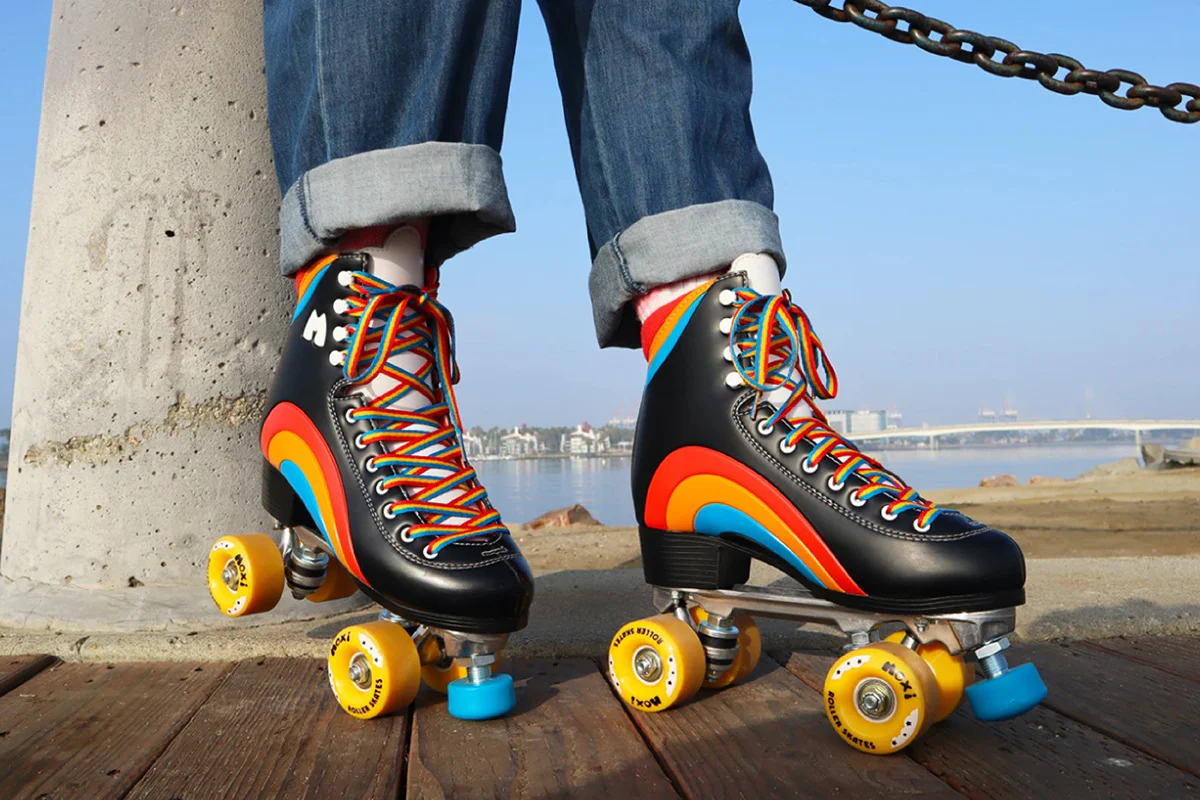
Modern skating culture has evolved into a dynamic blend of fitness, recreation, and personal expression, where roller skates are no longer just a nostalgic pastime but a performance-driven lifestyle choice embraced by beginners and advanced skaters alike. Today’s designs focus on delivering precision, balance, and visual appeal while supporting long hours of use across indoor rinks, outdoor paths, and competitive environments. The combination of engineering improvements and creative styling has made skating more accessible, safer, and more enjoyable than ever before, encouraging people of all ages to step onto wheels with confidence and control.
What Makes High-Performance Skating Gear Different?
High-performance skating equipment is defined by its ability to balance speed, stability, and responsiveness. Unlike basic recreational designs, performance-focused models are engineered with advanced support systems that enhance movement efficiency and reduce fatigue. The structure typically includes reinforced boot shells, precision bearings, and optimized wheel hardness that adapts to different skating surfaces.
Another key difference lies in energy transfer. When a skater pushes off, high-performance designs ensure that minimal energy is lost, translating motion directly into forward speed. This efficiency allows users to skate longer distances with less effort, making it ideal for both fitness training and technical routines. Every component is carefully aligned to support smooth transitions, sharp turns, and controlled stops.
How Do Design Features Improve Style and Aesthetics?
Style plays a major role in modern skating culture, where visual appeal is as important as performance. Manufacturers focus on sleek silhouettes, customizable color patterns, and minimalist construction that reflects individuality. Skaters often view their gear as an extension of personal identity, selecting designs that match their personality and lifestyle.
Aesthetic enhancements are not just decorative; they are integrated into structural design. Streamlined boots reduce bulk while maintaining support, and wheel color variations allow skaters to express creativity without compromising performance. Even the stitching and material textures are chosen to create a balanced visual impression that stands out both in motion and at rest.
Why Is Comfort Important for Long Skating Sessions?
Comfort is a critical factor for anyone spending extended time on skates, whether for fitness, leisure, or practice. Poorly designed equipment can cause discomfort, fatigue, or even injury, which limits performance and enjoyment. That is why modern designs prioritize ergonomic shaping and cushioning systems that adapt to the natural contours of the foot.
Internal padding materials are engineered to distribute pressure evenly, reducing strain on sensitive areas such as the ankles and heels. Breathable lining also helps regulate temperature, preventing overheating during intense activity. When comfort is optimized, skaters can maintain better posture, improve endurance, and focus more on technique rather than physical discomfort.
How Does Control Impact Safety and Performance?
Control is the foundation of safe and effective skating. Without proper control, even the most advanced equipment becomes difficult to manage. High-performance designs emphasize stability through low center-of-gravity construction, responsive wheel alignment, and secure ankle support.
Better control allows skaters to execute precise movements such as tight turns, controlled stops, and smooth transitions between speeds. It also significantly reduces the risk of falls and injuries, especially on uneven or unpredictable surfaces. Improved braking systems and balanced weight distribution further enhance a skater’s ability to respond quickly to changes in direction or terrain.
What Materials Are Used in Modern Skate Construction?
Modern skating equipment relies on a combination of lightweight and durable materials that enhance both performance and longevity. Synthetic composites are often used for boot shells because they provide strong structural support without adding unnecessary weight. This allows skaters to move more freely while maintaining stability.
Wheels are typically made from polyurethane-based compounds that offer excellent grip and shock absorption. Bearings are crafted from high-grade steel or ceramic materials to ensure smooth rotation and reduced friction. Together, these materials create a balanced system that performs well under different conditions, from polished indoor floors to rough outdoor pavements.
How to Choose the Right Fit for Your Needs?
Selecting the right skating equipment depends on skill level, intended use, and personal comfort preferences. Beginners often benefit from models that prioritize stability and ankle support, while experienced skaters may prefer designs that emphasize speed and agility.
Fit is especially important, as improper sizing can lead to discomfort and reduced control. A snug but comfortable fit ensures that the foot remains stable without restricting circulation. Skaters should also consider wheel hardness, as softer wheels provide better grip for outdoor use, while harder wheels are more suitable for smooth indoor surfaces.
Trying different styles and configurations helps users identify what best matches their skating goals, whether focused on fitness, recreation, or performance training.
What Techniques Help Improve Skating Skills Faster?
Improving skating skills requires consistent practice and attention to foundational techniques. Beginners should start by mastering balance and posture, ensuring that weight is evenly distributed across both feet. This creates a stable base for more advanced movements.
Forward motion efficiency can be improved through controlled strides and proper knee bending, which helps generate smoother propulsion. Turning techniques require coordination between upper body movement and foot positioning, allowing skaters to navigate curves with precision.
Practicing controlled stops is equally important, as it builds confidence and safety awareness. Over time, repetition of these core techniques leads to improved fluidity, speed control, and overall skating performance.
Why Are Skates Becoming Popular for Fitness and Lifestyle?
Skating has gained popularity as a full-body workout that combines cardiovascular exercise with low-impact movement. It engages multiple muscle groups, including the legs, core, and lower back, making it an effective alternative to traditional fitness routines.
Beyond fitness, skating has become a lifestyle activity that promotes outdoor engagement and social interaction. Many people use it as a stress-relief activity, enjoying the sense of freedom and rhythm it provides. The blend of exercise and enjoyment makes it appealing to a wide audience, from casual riders to dedicated enthusiasts.
Urban environments have also contributed to this growth, with smoother pathways and dedicated skating zones making it easier for individuals to participate regularly.
How to Maintain Skates for Long-Term Durability?
Proper maintenance is essential for extending the lifespan of skating equipment and ensuring consistent performance. Regular cleaning helps prevent dirt and debris from affecting wheel rotation and bearing efficiency. After each use, wiping down the wheels and boots keeps the equipment in optimal condition.
Lubricating bearings periodically ensures smooth movement and reduces wear over time. It is also important to inspect wheels for uneven wear, as this can affect balance and control. Replacing worn components promptly prevents further damage and maintains safety standards.
Storing skates in a dry, cool environment helps protect materials from moisture and heat damage, preserving both structure and appearance.
What Future Innovations Can We Expect in Skating Gear?
The future of skating equipment is likely to focus on enhanced customization, smart technology integration, and improved sustainability. Adjustable components may allow users to modify performance characteristics based on terrain or skill progression.
Smart sensors could provide real-time feedback on speed, balance, and posture, helping skaters improve technique more efficiently. Lightweight eco-friendly materials are also expected to become more common, reducing environmental impact while maintaining durability.
As innovation continues, skating will likely become even more adaptive, offering personalized experiences that blend technology, fitness, and creative expression into a single seamless activity.