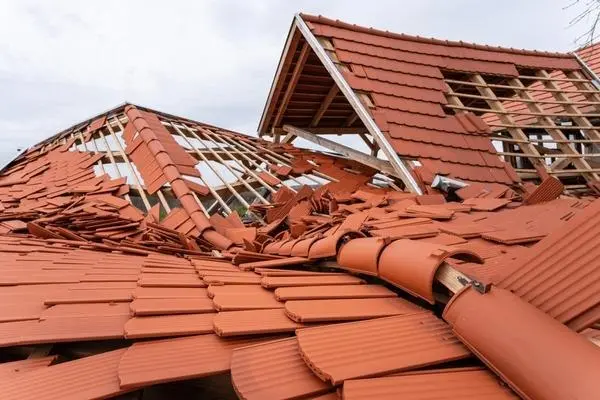
Heavy storms can be frustrating, especially when they cause damage to your property. In fact, the roof is one of the most vulnerable parts of your home that can be affected by a storm. If your roof has been damaged by a storm, ensure that you take the following steps, which include prioritizing your safety, checking for damage, documenting the damage, contacting insurance providers, and scheduling a professional inspection.
Des Moines, the capital of the state of Iowa, is known for its vibrant culture, amazing food, and for being the most populous city in the state. But another thing that the city is known for is having severe weather with strong storms, hail, and rainfall. These extreme weather conditions can cause damage to the roof’s shingles and flashing and clog gutters.
To prevent such damage from happening, homeowners can schedule regular roof maintenance from a professional West Des Moines roofing company. Acting quickly and taking the necessary steps can prevent the damage from turning into costly structural issues.
1. Prioritize Safety First
Storms can be disastrous and dangerous. So if your area is just recovering from one, the first step is to prioritize your safety. While it is important that you check the roof for damage, climbing on top of the roof should be avoided, as it can be wet and slippery. Instead, you can look for damage from the ground.
Check for any granules on the ground, missing or curled shingles, fallen tree branches, or damaged flashings.
2. Document the Damages
Once it is safe enough, you can start documenting the damage. So, even before you make any temporary changes, it is important that you take photos of the damage. Ensure that you cover the entire roof and also any interior damage, such as water leaks or stains.
Documenting the damages is one of the most important steps if you want to file an insurance claim. With more evidence, the smoother the process will be.
3. Contact Your Insurance Provider
For heavy damage, where you might need to claim the insurance, remember to call and inform your insurance provider. The earlier you report the damage, the faster the insurance process will be. Your insurance provider may then schedule an adjuster visit where you might have to provide details, which include the date of the storm, the photos of the damage, and details of any leaks.
4. Make the Necessary Temporary Repairs
If possible, make temporary repairs that will prevent your roof and home from further damage. You can place tarps over damaged sections, catch any leaks with a bucket, and remove any wet insulation.
However, it is best that you don’t make any permanent repairs, as it can void any warranties or insurance claims.
5. Schedule a Professional Inspection
Once the storm has passed and you have informed your insurance provider, you can proceed to call for a professional inspection. They can look into the damages and tell if a repair will solve the issue or if a replacement will be needed. They can also communicate with insurance providers to ensure that necessary repairs are covered in the claim.
Key Takeaways
- Always prioritize safety first and avoid climbing on wet roofs.
- Inspect the ground and surroundings for damage.
- Document the damage with photos and videos before making any fixes.
- Remember to contact your insurance provider immediately.
- Make any temporary fixes if possible, but avoid doing permanent fixes by yourself.
- Schedule a professional inspection.