Key Highlights
- Investing in the right heavy duty tent pegs ensures your shelter remains secure, no matter the terrain.
- Screw pegs offer superior holding power, acting as reliable ground anchors in various conditions.
- Different ground types require specific tent pegs, from steel pegs for hard ground to wide-surface pegs for sand.
- The material of your tent pegs, such as steel, aluminium, or composite, impacts durability and weight.
- Choosing the correct peg length and thickness is crucial for matching your shelter to the soil conditions.
- Modern pegs come with useful features like glow-in-the-dark tops and easy-pull cords for convenience.
Introduction
Your camping adventures deserve a solid foundation, and that starts from the ground up. The standard pegs that come with a tent are often just the beginning. To truly secure your setup against unpredictable Aussie weather and varied ground types, you need the right tools for the job. Choosing the correct heavy duty tent pegs gives you the peace of mind to relax and enjoy the great outdoors, knowing your tent, tarp, or gazebo is firmly anchored and ready for anything.
Understanding Heavy Duty Tent Pegs for Australian Camping
What transforms a standard tent peg into a heavy duty one? It’s all about robust construction and exceptional holding power. A heavy duty tent peg is designed for solid performance, especially in the tough conditions Australia can throw at you, from compacted soil to strong winds. They act as powerful ground anchors, providing the reliable stability needed to keep large shelters secure. Traditional pegs can bend or pull out under pressure, but heavy duty options are built to withstand the force.
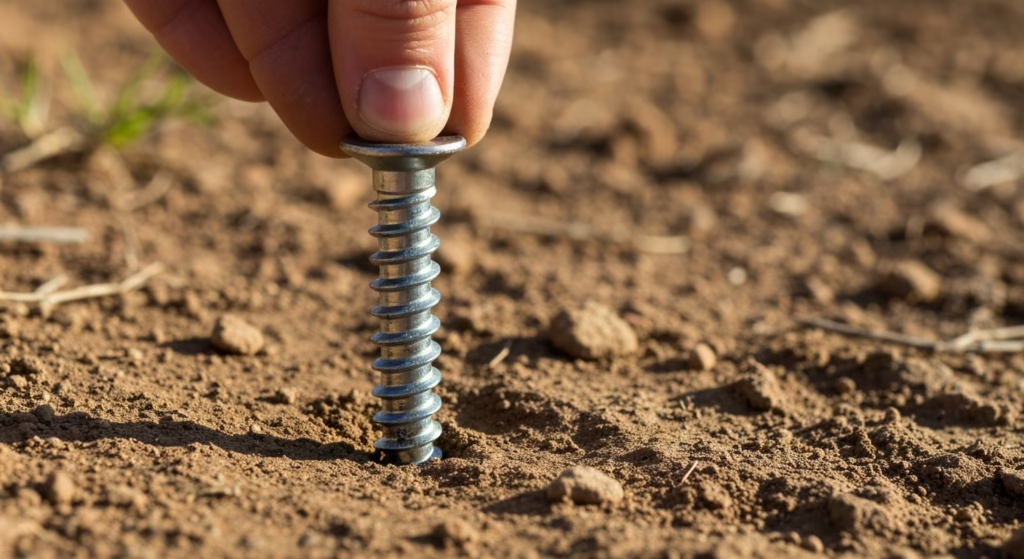
Many modern designs, especially screw-in types, offer enhanced durability. Their spiral design grips the earth far more effectively than a simple straight peg, creating a much stronger hold. This makes them significantly more reliable in challenging ground, ensuring you get the best camping experience without worrying about your shelter taking flight. This improved grip and resistance to pulling out under load is what sets them apart.
Types of Heavy Duty Tent Pegs for Every Terrain
Not all ground is created equal, and your camping tent needs the right support for each environment. The types of tent stakes you pack can make or break your setup, whether you’re pitching on rocky terrain or soft ground. Having a variety in your kit prepares you for any campsite.
From the rugged coast to the sandy desert, understanding which peg works best is key. The choice depends on the soil’s composition, from hard, unyielding earth to loose, soft sand. For the most demanding conditions, heavy duty tent pegs provide the strength and reliability you need to keep your tent secure, no matter where your adventure takes you.
Steel vs Aluminium Tent Pegs
When choosing between materials, steel and aluminium are two of the most common options, each with distinct advantages. Steel pegs are the workhorses of the camping world. They are incredibly tough, affordable, and perfect for securing large tarps and gazebos, especially on firm ground. While some basic steel pegs can rust over time if not dried properly, galvanised or stainless steel versions offer excellent corrosion resistance.
On the other hand, aluminium stakes are prized for their lightweight properties. They are a great choice for hikers and backpackers who need to keep their pack weight to a minimum. Don’t let their lack of heft fool you; high-quality alloy aluminium pegs provide solid performance and can be surprisingly durable.
Many aluminium tent stakes are also anodised, providing a protective coating that prevents corrosion and often adds a bright colour, making them easier to spot on the ground. While steel offers brute strength, aluminium provides a fantastic balance of strength and low weight.
Choosing Pegs for Hard and Rocky Ground
Pitching a tent on hard ground or rocky ground presents a unique challenge, as standard pegs will often bend or fail to penetrate the surface. For these situations, you need pegs designed for toughness and maximum holding power. Strong steel pegs are an excellent starting point, as they can be driven into compacted earth with force.
Another effective option for tough terrain is a nail-style stake. These are often made of steel or strong titanium and have a thin, pointed profile that can more easily find its way between rocks and roots. For the ultimate solution, drillable screw pegs can be driven into even the most stubborn ground using a cordless drill, creating incredibly secure ground anchors.
When selecting pegs for hard ground, look for these features:
- Solid steel or titanium construction for durability.
- A narrow, strong profile like a nail stake to penetrate tough soil.
- A drillable screw design for maximum ease and grip.
- A Y-beam shape, which offers incredible rigidity and prevents bending.
Selecting Pegs for Sand, Grass, and Soft Soil
Camping on soft soil, loose sand, or a grassy field requires a completely different approach. In these conditions, a thin peg will pull out easily. The key is to maximise surface area to increase grip. Specialised sand pegs are designed specifically for this purpose, offering superior holding power where other pegs fail.
These pegs are typically wider and longer to anchor effectively in soft sand and other loose ground. V-shaped or U-shaped pegs are also highly effective, as sand and soil can fill the channel, increasing resistance. For the ultimate grip in soft ground, screw pegs are a fantastic choice, as their spiral design bites into the ground and resists pulling out.
For soft ground, consider the following types of pegs:
- Wide plastic or aluminium sand pegs for maximum surface area.
- Longer pegs (e.g., 30cm or more) to reach more stable ground beneath the surface.
- V-shaped or U-shaped pegs to increase resistance.
- Heavy duty screw pegs that drill deep into the loose material.
Materials Used in Screw-In Heavy Duty Tent Pegs
The material of your tent peg is a critical factor in its performance and longevity. The most common materials are steel, aluminium, and modern composites or plastics. Each offers a different balance of strength, weight, and cost, making them suitable for various camping styles and conditions.
The ingenuity of a screw design can be applied to any of these materials. A steel screw peg provides unmatched strength for hard terrain, while an aluminium version offers a lighter alternative. Even composite and plastic pegs can incorporate a screw design, providing excellent grip in softer soils without the weight of metal.
The Strengths of Steel and Aluminium Materials
Steel is the strongest material commonly used for tent pegs, making it the top choice for hard terrain and securing large, heavy shelters. Its sheer strength means you can hammer it into challenging ground without fear of it bending. Galvanised and stainless steel variants also add rust resistance, ensuring a long lifespan.
Aluminium tent stakes, while not as brute-strong as steel, offer an exceptional strength-to-weight ratio. This makes them ideal for backpackers and anyone looking to shed weight from their camping kit. High-grade aluminium alloys provide solid performance and can withstand significant force, especially those with a Y-beam or V-shaped design.
For a clear comparison, consider the primary attributes of each:
| Feature | Steel Pegs | Aluminium Pegs |
| Strength | Very high; resistant to bending. | Good to high; lightweight but strong. |
| Weight | Heavy; best for car camping. | Lightweight; ideal for backpacking. |
| Best Use | Hard, rocky ground; large shelters. | Most ground types; lightweight tents. |
| Corrosion | It can rust unless galvanised or stainless. | Good resistance, often anodised. |
Benefits of Composite and Plastic Core Pegs
While metal pegs are common, composite and plastic pegs have carved out an important niche. Modern plastic pegs are often made from UV-stabilised, engineering-grade reinforced nylon, making them surprisingly robust and flexible. Their primary benefit is their lightweight nature, which appeals to ultralight backpackers and those looking to minimise their load.
These pegs often feature a practical design tailored for specific conditions. For example, plastic sand pegs are typically very wide and long, a shape that would be too heavy if made from steel. Their lightweight construction and effectiveness in soft ground make them a popular choice for beach camping.
Key benefits of composite and plastic pegs include:
- Lightweight: They add minimal weight to your camping kit.
- Specialised Design: Often designed for specific uses, like anchoring in sand, where their shape excels.
- Corrosion-Proof: They will not rust, making them ideal for damp or coastal environments.
Weather Resistance and Longevity Factors
A peg’s ability to withstand harsh weather conditions is crucial for its longevity and your safety. Exposure to rain, humidity, and salty air can quickly degrade poorly made pegs. Weather resistance is a key factor that separates high-quality pegs from budget alternatives, ensuring they provide reliable support trip after trip.
Materials with inherent weather resistance are your best bet. Stainless steel, for instance, resists rust and corrosion, maintaining its strength over many years. Likewise, aluminium pegs are often anodised, a process that creates a protective oxide layer on the surface, preventing corrosion and adding durability. This coating ensures the peg won’t weaken from exposure to the elements.
The world of camping gear is in constant development, and this includes peg materials. Modern composite pegs made from UV-stabilised reinforced nylon are designed to resist breakdown from sun exposure and moisture. Choosing pegs with these protective features is a smart investment for any serious camper.
How to Choose the Right Size and Type for Your Needs
Once you’ve considered the material, the next step is choosing the right size and shape for your specific needs. Factors like peg length and diameter are just as important as the material, as they directly impact the peg’s holding power in different soil conditions.
Your choice should also be guided by the type of shelter you’re securing, from a small hiking tent to a large family gazebo. Building a versatile camping kit with a variety of pegs ensures you’re prepared for any campsite. Let’s look at how to determine the right length, thickness, and style for your gear.
Determining Peg Length and Thickness
The length of your peg is one of the most critical factors for achieving a secure hold. As a general rule, soft and loose soil conditions require a longer peg length to anchor into more stable ground deeper down. A 30cm or longer peg is ideal for sand or very soft soil. For firm, compacted ground, a shorter peg of around 15-20cm is often sufficient and easier to drive in.
The peg’s thickness, or diameter, contributes to its strength and ability to resist bending. Thinner pegs, around 4mm in diameter, are suitable for small tents in calm conditions. For family tents or in windy weather, a peg with a minimum diameter of 6-8mm is much more reliable. The thickest pegs, sometimes over 10mm, are reserved for securing very large shelters like event gazebos.
Choosing the right combination of length and thickness is a balancing act. You need a peg long enough to grip the ground effectively but not so long that it’s impossible to drive in. Similarly, it must be thick enough to resist bending under force but not so heavy that it weighs down your pack unnecessarily.
Matching Pegs to Tent, Tarps, and Gazebos
The type of shelter you are using dictates the kind of tent stake you need. A small, lightweight hiking tent has a small profile and doesn’t require the same anchoring force as large shelters. For these, lightweight aluminium or titanium pegs are usually more than adequate.
However, large family tents, tarps, and gazebos act like giant sails in the wind. Their large surface area catches a lot of force, which is transferred directly to the guy ropes and pegs. Using the flimsy pegs that often come included is a recipe for disaster. These structures demand heavy duty pegs, especially at key anchor points like corners and major guy ropes.
When securing larger structures, remember to:
- Use heavy duty steel or long screw-in pegs for all main guy ropes.
- Ensure pegs are driven into the ground at an angle, pointing away from the shelter, for maximum hold.
- Have at least 8-10 heavy duty pegs in your kit specifically for your largest shelter.
- Don’t just upgrade the guy rope pegs; use stronger pegs for the tent’s base loops as well, particularly on the side facing the wind.
Special Features: Glow in the Dark, Reflective and Easy-Grip Options
Modern tent pegs often come with clever features designed to make camping easier and safer. One of the most popular is a glow-in-the-dark or luminescent element. This dark feature, typically on the head of the peg or on the pull cord, is an excellent option for preventing trips and falls after sunset.
Another handy feature is a brightly coloured or reflective pull cord. Not only does this make the pegs more visible, but it also provides a loop to make removal from the ground much easier, saving your fingers and your patience. Some pegs are designed with a large, easy-grip head, which serves a dual purpose of being a bigger target to hit and easier to pull out.
Consider looking for these useful additions:
- Glow-in-the-dark tops: To easily spot your pegs at night.
- Reflective pull cords: For high visibility with a torch and simple removal.
- Bright colours: Anodised aluminium pegs often come in vibrant colours, making them harder to leave behind.
- Multi-height anchor points: Some pegs have notches at different heights, allowing you to secure a guy rope even if you can’t drive the peg all the way in.
Conclusion
In conclusion, selecting the right heavy-duty tent pegs is essential for a successful outdoor experience in Australia. With various options tailored to different terrains, understanding materials and sizes can significantly enhance your camping adventures. Whether you’re facing rocky ground or soft sand, the right pegs provide stability and security for your tent. Additionally, features like weather resistance and visibility can add practicality to your setup. Embracing screw-in solutions can make a remarkable difference in ensuring your campsite stays secure. So next time you plan your outing, remember the importance of choosing the right tent pegs to withstand the Australian elements. If you’re ready to elevate your camping gear, don’t hesitate to explore your options further!
Frequently Asked Questions
What are the benefits of using screw-in tent pegs? Their unique spiral design offers superior holding power in various ground conditions, ensuring reliable support even in soft soil or on rocky terrain. How do I choose the right size? The size of the tent peg you need depends on your camping adventures and the type of terrain. For larger tents or windy conditions, opting for heavy-duty options maximises surface area for better grip, providing peace of mind during your trip.
Are screw-in tent pegs more durable for tough Aussie conditions?
Yes, screw pegs provide exceptional holding power, especially in tough conditions. Their threaded design bites into the ground, creating powerful ground anchors that are highly resistant to being pulled out by strong winds. This makes them more reliable than many traditional pegs in varied Australian soils.
How do I install heavy duty screw-in tent pegs correctly?
For maximum ease of use, many heavy duty screw pegs are designed to be installed with a cordless drill or an impact driver. Simply attach the correct socket to your drill and drive the peg into the ground. This method quickly creates secure ground anchors for your camping tent with minimal effort.
Do heavy duty tent pegs work better in sand or grass?
It depends on the peg’s design. For sand and other soft ground, wide-bodied sand pegs or long screw-in types offer the best holding power by maximising surface area. In grass or firm soil, Y-beam or traditional steel pegs provide solid performance, as they can penetrate the ground effectively.