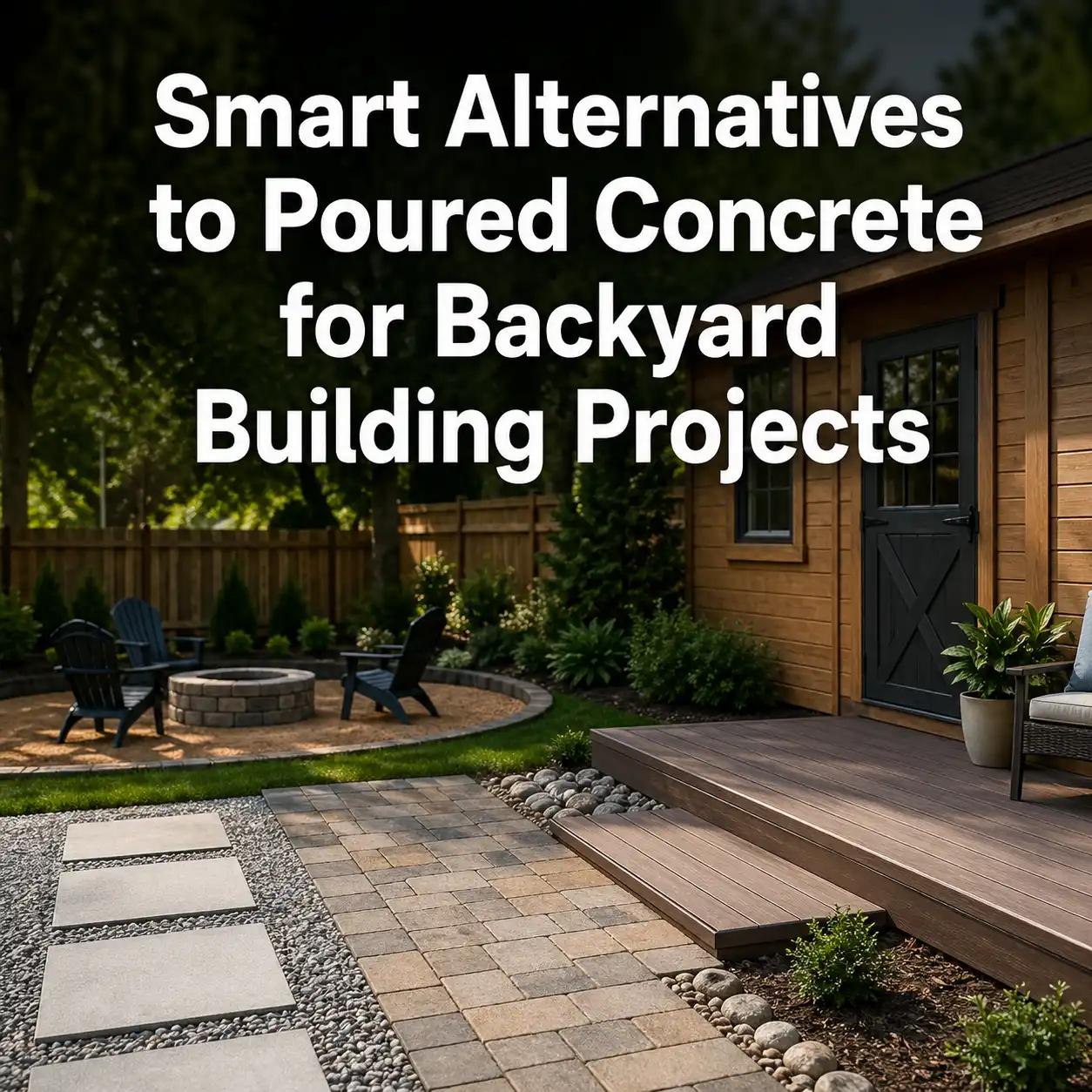
When planning a new deck, timber garden room, or heavy-duty backyard shed, the very first consideration must always be the groundwork. A structure is only ever as reliable as the base it sits upon. For decades, poured concrete has been the undisputed default choice for securing these outdoor additions. Homeowners and building contractors alike would simply accept the inevitable landscape disruption, the heavy machinery, and the frustratingly long curing times as mandatory steps in the construction process. However, modern engineering and a growing global focus on environmental sustainability are rapidly changing how we approach residential builds. Today, smarter and vastly cleaner groundwork solutions exist, allowing homeowners to entirely bypass the mess and delay of traditional footings. These contemporary alternatives not only save time but also offer significant long-term structural reliability.
The Environmental Impact of Traditional Methods
The ongoing shift away from traditional footings is largely driven by a clearer understanding of their vast environmental footprint. Producing the raw materials needed for conventional slabs, piers, and pillars requires staggering amounts of energy. The manufacturing process relies heavily on high-temperature kilns powered by fossil fuels, and it triggers chemical reactions that release significant volumes of greenhouse gases directly into the atmosphere. According to the MIT Climate Portal, cement accounts for around 8% of all CO2 emissions worldwide. This staggering figure highlights the urgent need for more sustainable construction practices, even at the residential level.
This monumental environmental cost has prompted environmentally conscious builders and homeowners to actively seek greener alternatives that do not compromise on structural integrity. Every time a conventional footing is skipped in favour of a low-impact alternative, the overall carbon footprint of the home improvement project is drastically minimised. Furthermore, avoiding heavy excavation means local soil ecosystems remain undisturbed, protecting the micro-flora and fauna that keep your garden healthy. The reduction of heavy truck traffic delivering materials also significantly decreases local air and noise pollution, making the entire build process much kinder to the surrounding environment.
Innovative and Clean Groundwork Solutions
Rather than digging deep trenches, hauling away tons of topsoil, and pouring heavy wet mixtures into the earth, many modern builds now utilise advanced ground anchoring systems. One of the most effective and increasingly popular methods involves driving large, threaded galvanised steel posts deep into the soil. For instance, utilising a foundation screw provides an immediate load-bearing capacity without the need for extensive excavation or disruptive soil removal. This highly engineered method relies on specific torque measurements and soil displacement to create a stable, permanent base that can hold massive amounts of weight. The precision of this technique guarantees a perfectly level platform for any timber structure above.
Because these steel supports completely bypass the need for mixing, setting, and curing, vertical construction on the deck or garden room can begin on the exact same day the groundwork is laid. This approach is particularly advantageous in regions like Canada that experience exceptionally harsh winter conditions. The deep installation process goes well below the local frost line, anchoring the structure securely into stable earth and completely preventing the damaging effects of frost heave during seasonal freeze and thaw cycles. Avoiding frost heave ensures that your doors and windows will remain perfectly aligned year after year, completely eliminating the structural warping that often plagues older outbuildings.
Key Benefits of Concrete-Free Foundations
Opting for modern structural supports over traditional poured footings offers several highly distinct advantages for residential projects. Whether you are adding a modest patio extension to your home or constructing a large outdoor studio, the benefits extend well beyond basic environmental conservation.
- Unmatched speed of installation: Traditional footings require a lengthy process of digging, building timber forms, pouring, and then waiting several days for the mixture to cure properly before any actual building can commence. Modern anchors, by contrast, are driven into the ground in a matter of hours and are immediately ready to support heavy structural weight.
- Minimal landscape disruption: Bringing heavy excavation equipment into a backyard can quickly tear up established lawns, crush root systems, and ruin carefully curated garden beds. Steel ground anchors require only small, precise entry points, ensuring the surrounding yard is left completely intact.
- Total weather independence: Pouring cement requires highly specific weather conditions to cure correctly and achieve maximum strength. Excessive rain, freezing overnight temperatures, or extreme summer heat can all compromise a fresh pour. Driven steel supports can be installed cleanly in almost any weather condition, keeping your renovation project perfectly on schedule.
- Easy removal and site restoration: If you ever decide to relocate a garden room, expand a deck, or completely redesign your backyard layout, steel supports offer a unique advantage. They can simply be unscrewed from the earth and reused elsewhere, leaving zero debris or buried rubble behind in your soil.
Major backyard renovations no longer need to be synonymous with torn-up lawns, delayed schedules, and carbon-heavy building materials. By embracing modern engineering solutions, you can build incredibly robust, long-lasting structures while simultaneously protecting both your property and the broader environment. Choosing steel over stone saves time, reduces strenuous manual labour, and ensures that your new outdoor living space is built cleanly and efficiently. Upgrading your approach to groundwork is the smartest way to guarantee your project is ready to withstand the test of time, without leaving a permanent scar on the landscape.