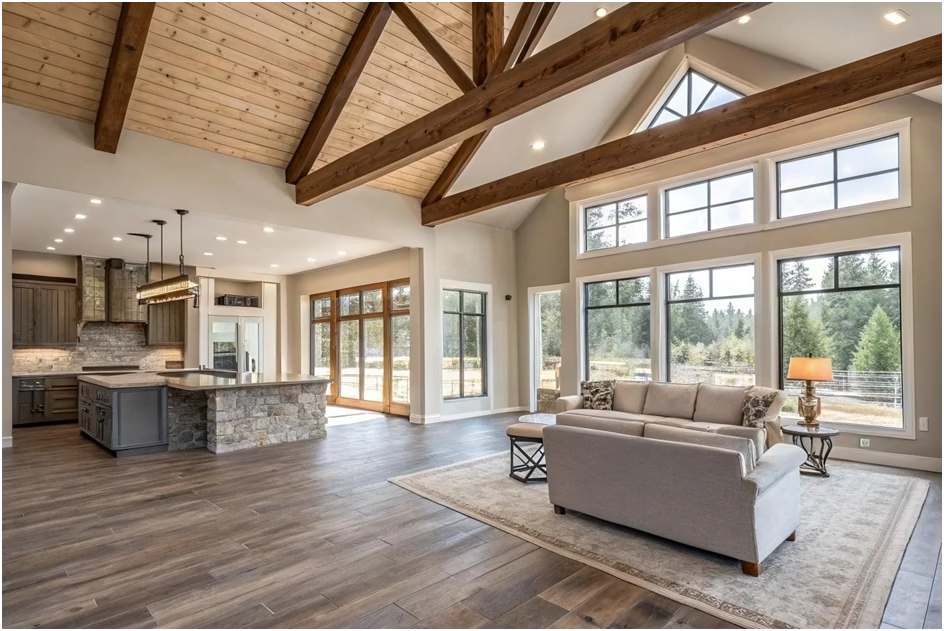
Building a new home offers something renovation projects can never quite match: the opportunity to incorporate cutting-edge features from the foundation up rather than retrofitting them later at significantly higher cost. The homes going up across California right now look fundamentally different from those built even five years ago, not just aesthetically but in how they function, adapt, and respond to occupants’ needs.
The challenge facing anyone planning new construction isn’t finding innovative features to include. It’s figuring out which technologies actually deliver value versus which ones are just expensive gimmicks that’ll feel dated in three years. The difference between building a home that remains relevant for decades and one that feels obsolete within five y
ears often comes down to making smart decisions about which features genuinely improve daily life.
Intelligent Home Automation Beyond Voice Commands
Smart home technology has evolved far beyond simple voice-activated light switches. The automation systems worth installing in 2025 learn from your habits, anticipate needs, and make micro-adjustments constantly without requiring any input. These systems monitor when you typically arrive home, what temperature you prefer at different times of day, and which rooms you use most frequently, then adjust everything automatically.
The real value emerges when these systems integrate seamlessly across multiple functions. Your home recognizes your car pulling into the driveway, disarms the security system, adjusts climate control to your preferred temperature, turns on pathway lighting, and even starts brewing coffee if it’s morning. That level of integration requires planning during construction rather than hoping disparate systems will somehow communicate after installation.
Smart home systems require robust networking infrastructure installed during construction. This means structured wiring, dedicated wireless access points throughout the home, and conduit systems that allow easy upgrades as technology evolves. Skipping this foundation forces expensive retrofitting later.
Modern security has expanded beyond traditional alarm systems to include biometric entry, AI-powered surveillance that distinguishes between delivery drivers and potential threats, and privacy glass that switches from transparent to opaque instantly. These features work best when integrated during initial construction, allowing wiring and hardware to blend invisibly into walls rather than appearing as obvious additions.
Energy Management and Sustainability Systems
Energy efficiency in 2025 goes substantially beyond installing solar panels and calling it sustainable. The most advanced new construction homes now feature comprehensive energy management systems that optimize consumption across every function simultaneously. These systems monitor electricity rates in real-time, shift high-consumption activities to off-peak hours, and even use electric vehicle batteries as emergency power sources during outages.
Net-zero construction has transitioned from aspirational to achievable, with homes generating as much energy as they consume annually. This requires combining multiple technologies: solar arrays sized appropriately for the home’s energy profile, battery storage systems that capture excess generation, superior insulation exceeding code requirements by substantial margins, and heat pump HVAC systems that deliver heating and cooling far more efficiently than traditional equipment.
Experienced builders like Atlas GC understand that energy efficiency must be built into the home’s fundamental structure rather than added superficially. This means advanced air sealing techniques that minimize uncontrolled air exchange, strategic window placement that maximizes natural lighting while minimizing heat gain, and thermal mass materials that naturally regulate indoor temperatures. These elements work synergistically to create homes that remain comfortable year-round with minimal energy input.
California’s Title 24 energy standards continue tightening, making features that exceed current requirements a smart investment. Homes built to just meet today’s standards may require expensive upgrades to remain compliant as regulations evolve.
Flexible Multi-Purpose Spaces
The pandemic permanently changed how we use residential space, and smart new construction reflects this shift. Homes now incorporate adaptable rooms that transform easily between home offices, guest bedrooms, workout studios, and entertainment spaces without requiring renovation. This flexibility comes from design choices made during initial construction: movable wall systems, built-in furniture that converts between functions, and multiple connectivity points throughout rooms.

The traditional dedicated home office has evolved into sophisticated spaces with professional-grade video conferencing setups, acoustic treatments for clear audio, and adjustable lighting systems that eliminate screen glare. These rooms include separate network connections ensuring video calls don’t degrade when others are streaming entertainment, along with soundproofing that maintains privacy during meetings.
Here’s a comparison of essential flexible space features and their practical benefits:
| Design Feature | Primary Function | Secondary Benefit | Long-term Value |
| Murphy bed systems | Guest accommodation | Daily office space | Increases usable square footage |
| Movable partition walls | Space reconfiguration | Acoustic separation | Adapts to changing needs |
| Multi-zone climate control | Individual comfort | Energy savings | Reduces utility costs 20-30% |
| Convertible outdoor rooms | Year-round entertainment | Additional living space | Extends home’s functional area |
| Built-in connectivity hubs | Home office support | Smart home integration | Future-proofs technology |
Advanced Air Quality and Health Monitoring
Indoor air quality has become a primary design consideration, with new homes incorporating hospital-grade filtration systems that remove particles, volatile organic compounds, bacteria, and viruses. These aren’t simple filter upgrades but comprehensive systems that monitor air quality continuously and adjust ventilation automatically to maintain optimal conditions.
Modern HVAC systems feature zone-based climate control that maintains different temperatures throughout the home while optimizing energy consumption. These systems learn occupancy patterns, adjusting automatically to ensure comfort in actively used spaces while reducing conditioning in unoccupied areas. Integration with weather forecasting allows pre-adjustment for changing conditions, maintaining consistent comfort with minimal waste.
Wellness-focused design extends to circadian lighting systems that adjust color temperature and intensity throughout the day, supporting natural sleep-wake cycles. These systems incorporate sensors monitoring ambient light conditions, making continuous adjustments that help maintain energy during daytime while promoting restful sleep at night. The technology transforms how homes support occupant health without requiring any conscious interaction.
Electric Vehicle and Future Mobility Integration
Electric vehicle charging infrastructure has become standard in new construction, but 2025’s advanced systems go far beyond basic charging stations. Intelligent charging systems optimize power delivery based on electricity rates and grid demand, minimizing costs while ensuring vehicles are ready when needed. These systems integrate with home automation platforms, allowing scheduling and remote monitoring of charging sessions.
The most sophisticated implementations treat EV batteries as emergency power sources for the home, creating resilient energy ecosystems that maintain functionality during grid outages. This bidirectional capability requires specific hardware installed during construction, along with electrical panel configurations that support power flowing both directions. Retrofitting these capabilities costs substantially more than incorporating them initially.
Essential Technology Infrastructure
Future-proofing new construction means installing infrastructure that supports technologies not yet widely adopted. This includes enterprise-grade networking systems with multiple redundancies ensuring reliable connectivity throughout the property, dedicated networks for different purposes, and physical conduit systems allowing easy cable upgrades without opening walls.
These foundational elements include:
- Fiber optic backbone connecting major systems throughout the home
- Wireless mesh networks eliminating dead zones in every corner
- Dedicated circuits for high-power appliances and EV charging
- Pre-wired conduits for future technology additions
- Centralized equipment closets with adequate cooling and power
- Backup power systems maintaining critical functions during outages
Technology infrastructure represents a relatively small percentage of total construction costs but delivers outsized value in long-term functionality and resale appeal. Skipping these elements to save money during construction creates expensive limitations later.
Outdoor Living Integration
California’s climate makes outdoor living spaces essential rather than optional, and smart new construction blurs boundaries between indoor and outdoor areas. This includes covered outdoor rooms with weather-resistant entertainment systems, automated screens that enclose spaces during inclement weather, and heating elements extending usability throughout the year.
Advanced outdoor spaces feature dedicated weather monitoring that automatically adjusts shade structures and ventilation based on conditions, outdoor kitchens with appliances matching indoor quality, and landscaping systems with smart irrigation that adjusts watering based on weather forecasts and soil moisture levels. These elements work together creating outdoor areas that function as genuine extensions of interior living space.
Making Strategic Feature Selections
Not every innovative feature makes sense for every home or budget. The smartest approach involves prioritizing technologies that align with how you actually live rather than installing everything available. Consider which features address specific needs: families working from home benefit enormously from dedicated office infrastructure, while those planning to age in place should prioritize accessibility features and health monitoring systems.
Working with experienced contractors who understand both current capabilities and emerging trends ensures the features you select will remain relevant for years rather than becoming expensive curiosities. The goal isn’t building the most technologically advanced house possible but creating a home that genuinely improves daily life while maintaining value as technology evolves.
The new construction homes being built across the Bay Area and Beverly Hills in 2025 represent quantum leaps over houses from even a decade ago. The combination of intelligent automation, comprehensive energy management, flexible spaces, and future-ready infrastructure creates homes that actively support occupants’ needs rather than simply providing shelter. For anyone fortunate enough to build from the ground up, incorporating these smart design features transforms construction projects from simple buildings into genuinely intelligent living environments.