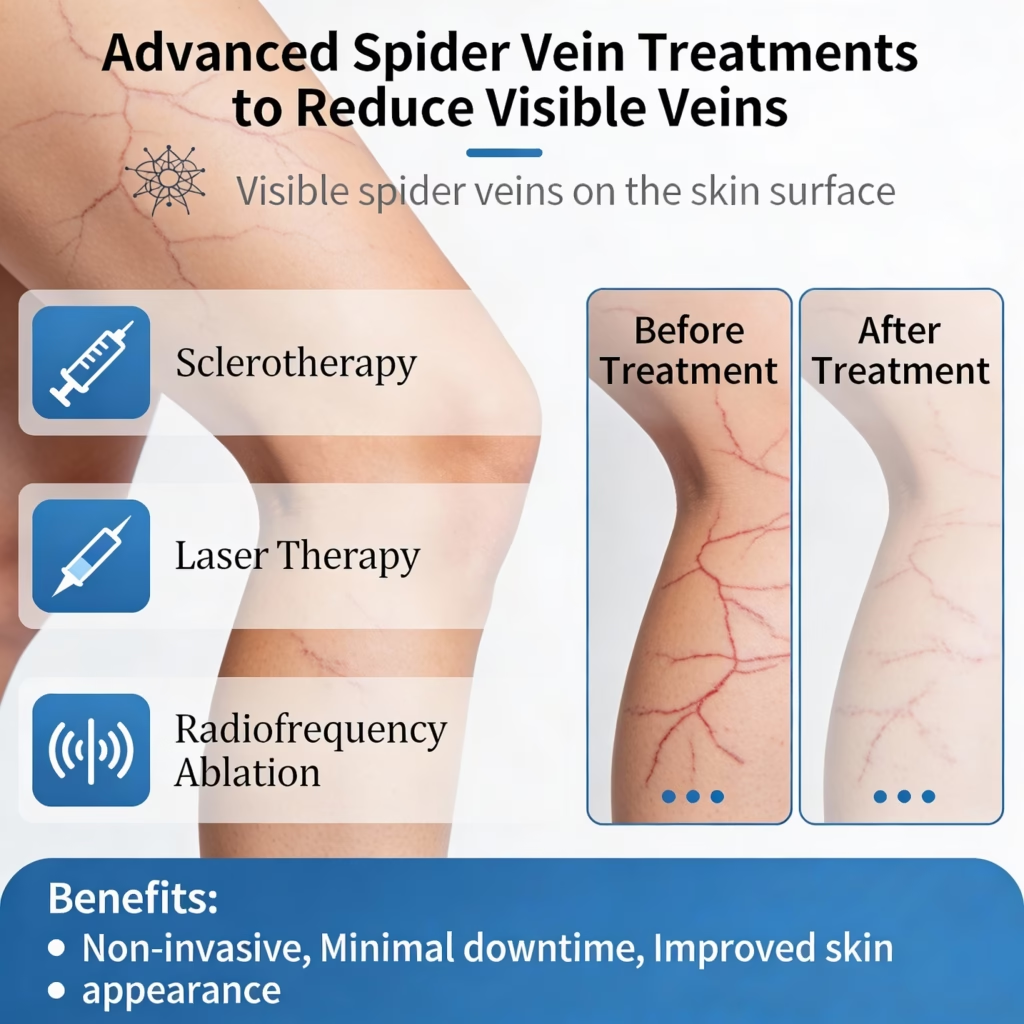
Spider veins, though often seen as a cosmetic concern, can have deeper implications for one’s self-esteem and overall well-being. Metro Vein offers advanced treatment options, giving individuals effective methods to reduce the appearance of these unwanted veins. This guide will investigate the nature of spider veins, explore contemporary treatment solutions, and provide insights into maintaining long-term results.
Understanding Spider Veins
What are Spider Veins?
Spider veins, medically termed telangiectasias, are small, dilated blood vessels that appear close to the skin’s surface. They can manifest as red, blue, or purple lines that resemble a spider’s web or tree branches. Commonly found on the legs and face, these veins are a prevalent concern among both men and women, often becoming more noticeable with age.
Causes and Risk Factors
Several factors contribute to the development of spider veins. These include:
- Genetics: A family history of vein issues can significantly increase an individual’s risk.
- Hormonal Changes: Conditions such as pregnancy, puberty, and menopause can influence collagen levels and blood vessel structure.
- Extended Period of Sitting or Standing: Occupations that require prolonged periods of inactivity can worsen venous return, leading to venous conditions like spider veins.
- Obesity: Excess weight places increased pressure on veins, making them more prone to expansion.
The Impact of Spider Veins on Quality of Life
While spider veins may not pose significant health risks, they can affect an individual’s self-esteem, leading to embarrassment or self-consciousness. This psychological impact can hinder social interactions and affect choices in clothing and activities. Hence, addressing spider veins is not solely a cosmetic issue: it is also essential for maintaining mental well-being.
Modern Treatment Options
Sclerotherapy
Sclerotherapy remains one of the most common treatments for spider veins. During this procedure, a sclerosing solution is injected directly into the affected veins. This solution irritates the vessel lining, causing it to collapse and eventually fade from view. Patients typically see improvement within a few weeks, making it a popular choice.
Laser Therapy
Laser therapy uses focused light to target the spider veins, leading to their coagulation and eventual absorption by the body. This minimally invasive technique leaves the surrounding skin unaffected, resulting in minimal downtime. It works particularly well for smaller veins and those located in delicate areas, like the face.
Radio Frequency Ablation
Radio frequency ablation involves using heat to close off problematic veins. This technique is especially beneficial for larger veins that may not respond well to sclerotherapy or laser treatments. By applying radiofrequency energy, the vein is sealed and gradually absorbed by the body, providing long-term results with a relatively short recovery time.
Endovenous Laser Therapy (EVLT)
EVLT is a targeted treatment that uses laser energy delivered through a catheter positioned within the vein. It’s particularly effective for larger veins and offers the advantage of treating underlying issues that contribute to the formation of spider veins. With a quick recovery period, this method has gained popularity in recent years.
Choosing the Right Treatment
Factors to Consider When Selecting a Treatment
When deciding on the best treatment for spider veins, several considerations should be taken into account. These include the size and location of the veins, the patient’s overall health, and personal preferences. Consulting with a specialist can help outline the most appropriate options based on individual circumstances.
Consultation and Diagnosis Process
The initial step in addressing spider veins involves a thorough consultation with a healthcare provider, often a dermatologist or vascular specialist. During this visit, the professional will assess the patient’s medical history, perform a physical examination, and may conduct ultrasound imaging to evaluate blood flow and rule out underlying conditions.
Expected Outcomes and Recovery
What to Expect After Treatment
Post-treatment, patients can expect some common temporary side effects, including mild swelling, bruising, and redness in the treated area. These symptoms typically resolve within a few days. Patients are encouraged to follow aftercare instructions, which may include wearing compression garments and avoiding strenuous activities initially. Most individuals find that the improvements become increasingly visible over subsequent weeks as the veins naturally fade.
Long-Term Results and Maintenance
Lifestyle Changes to Support Treatment
To enhance the effectiveness of their spider vein treatment, individuals may adopt certain lifestyle changes. Regular exercise, especially activities that elevate heart rate and promote circulation, can significantly benefit vein health. Also, maintaining a healthy weight, avoiding prolonged periods of sitting or standing, and incorporating a diet rich in nutrients that support vascular health, such as vitamin C and antioxidants, can contribute to long-lasting results.
Conclusion
Advanced treatments for spider veins, including sclerotherapy, laser therapy, radiofrequency ablation, and EVLT, offer effective solutions for those looking to diminish their appearance. With proper consultation and a tailored approach, patients can achieve significant improvements not only in their physical appearance but also in their overall quality of life. Embracing healthy lifestyle choices after treatment further ensures lasting results, helping individuals feel more confident in their skin.