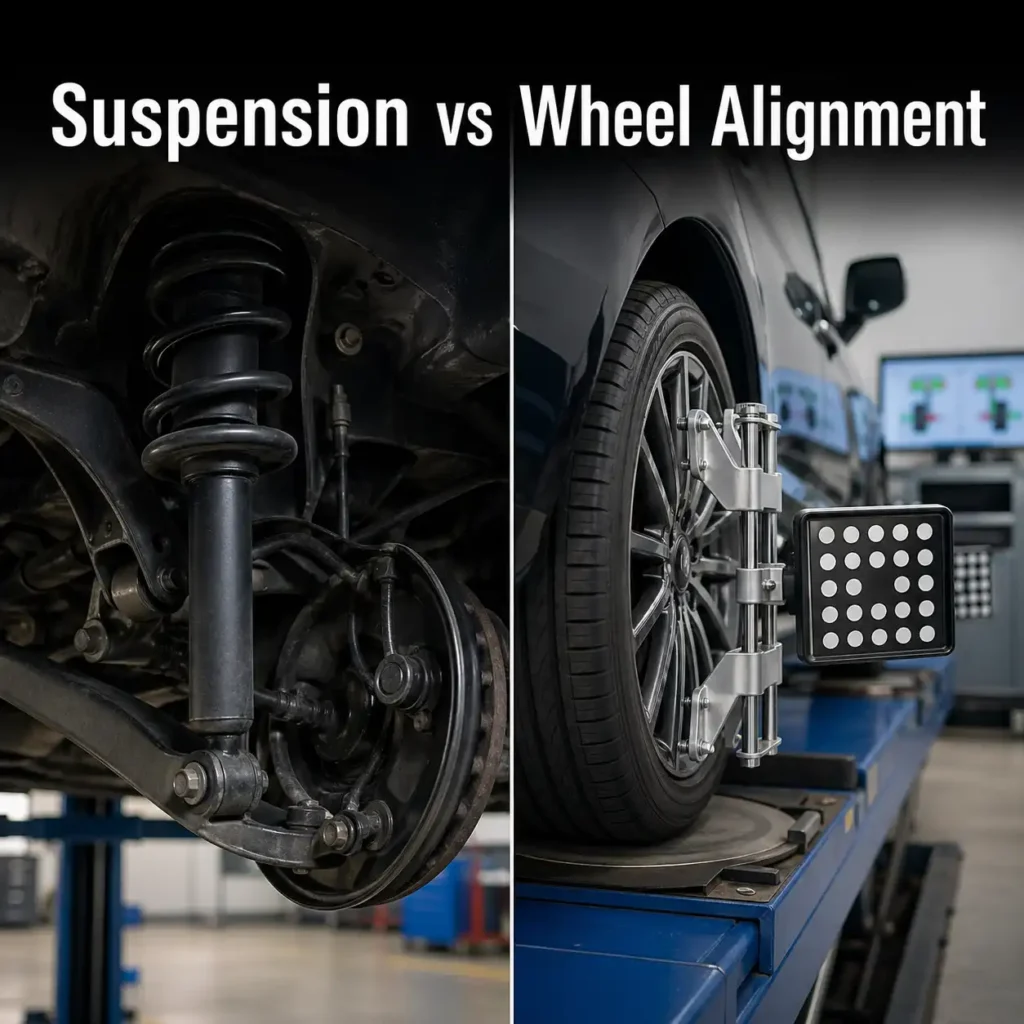
Many drivers only think about wheel alignment when their vehicle starts pulling to one side or when they notice uneven tyre wear. However, the reality is that handling issues are often caused by a combination of factors, including suspension wear, road conditions, and tyre health. On roads across West Auckland, where potholes, speed bumps, and frequent stop-start traffic are common, understanding the difference between suspension and wheel alignment becomes essential for safe driving.
In fact, even components like shock absorbers in Auckland vehicles play an important role in overall stability, yet they are often overlooked during routine maintenance.
What wheel alignment actually does
Wheel alignment refers to the precise adjustment of your vehicle’s wheels so they point in the correct direction according to manufacturer specifications. When alignment is correct, the tyres wear evenly, the steering wheel stays centered, and the vehicle drives smoothly in a straight line.
When alignment is off, drivers may notice:
- The vehicle drifting left or right
- Steering wheel not returning to center properly
- Uneven or rapid tyre wear
- Reduced fuel efficiency
In areas like Henderson, where daily commuting includes roundabouts, intersections, and uneven suburban roads, wheel alignment can shift more frequently than drivers expect.
Understanding suspension systems
Suspension is a broader mechanical system that includes shocks, struts, springs, and control arms. Its job is to absorb impact from the road and keep the tyres in contact with the surface.
Components such as shock absorbers in Auckland play a critical role in maintaining stability and ensuring a smooth ride, especially on uneven roads.
If suspension components are worn or damaged, the vehicle may feel bouncy, unstable, or noisy when driving over bumps. Unlike alignment issues, suspension problems affect the overall comfort and safety of the vehicle, not just tyre direction.
For example:
- Worn shocks reduce control during braking
- Damaged springs can cause uneven vehicle height
- Faulty bushings may lead to vibrations or clunking sounds
These issues can significantly impact driving safety if not addressed early.
How suspension and alignment are connected
Although they are different systems, suspension and wheel alignment are closely linked. A worn suspension system can prevent proper alignment from being maintained, while incorrect alignment can place extra stress on suspension components.
For example, if shock absorbers are weak, the tyres may bounce excessively on uneven roads, causing inconsistent contact with the surface. This eventually leads to uneven tyre wear and poor handling.
This is why mechanics often recommend checking both systems together rather than in isolation.
Why West Auckland roads increase wear and tear
Driving conditions in West Auckland are a major factor in suspension and alignment issues. Roads often include:
- Sudden potholes after rain
- Frequent speed bumps in residential areas
- Coastal weather exposure causing surface wear
- Heavy traffic with constant braking and acceleration
These conditions place continuous stress on both tyres and suspension components. Over time, this leads to faster wear, especially for vehicles that travel daily through busy routes like Henderson and surrounding suburbs.
Regular inspections help identify issues before they turn into costly repairs.
Common warning signs drivers should watch for
Understanding early symptoms can prevent serious damage. Some key warning signs include:
1. Alignment-related signs:
- Car pulling to one side
- Uneven tyre wear patterns
- Steering wheel off-center
2. Suspension-related signs:
- Bumpy or uncomfortable ride
- Clunking noises over rough roads
- Excessive bouncing after hitting bumps
- Reduced braking stability
Ignoring these symptoms can lead to unsafe driving conditions and higher long-term maintenance costs.
Why timely maintenance matters
Many drivers delay suspension or alignment checks until the problem becomes severe. However, early intervention is much more cost-effective. For example, fixing alignment early can prevent premature tyre replacement, while addressing suspension issues early can protect other components like tyres, brakes, and steering systems.
In New Zealand driving conditions, where weather can shift quickly from dry to heavy rain, maintaining both systems ensures better grip and safer braking performance.
Practical maintenance tips for drivers
To maintain better vehicle health, drivers should:
- Check wheel alignment every 10,000–15,000 km
- Inspect suspension during regular servicing
- Monitor tyre wear patterns monthly
- Avoid driving over potholes at high speed
- Replace worn shock absorbers promptly
These small habits can significantly improve safety and extend vehicle lifespan.
Conclusion
Suspension and wheel alignment are often confused, but they serve very different purposes in vehicle performance. While alignment ensures tyres point in the right direction, suspension including components like shock absorbers vehicles depend on ensures stability, comfort, and road contact.
For drivers in West Auckland and surrounding areas like Henderson, understanding this difference is essential due to challenging road conditions and frequent stop-start driving.
Regular inspections of both systems not only improve tyre life and fuel efficiency but also ensure safer, more stable driving in all weather conditions.