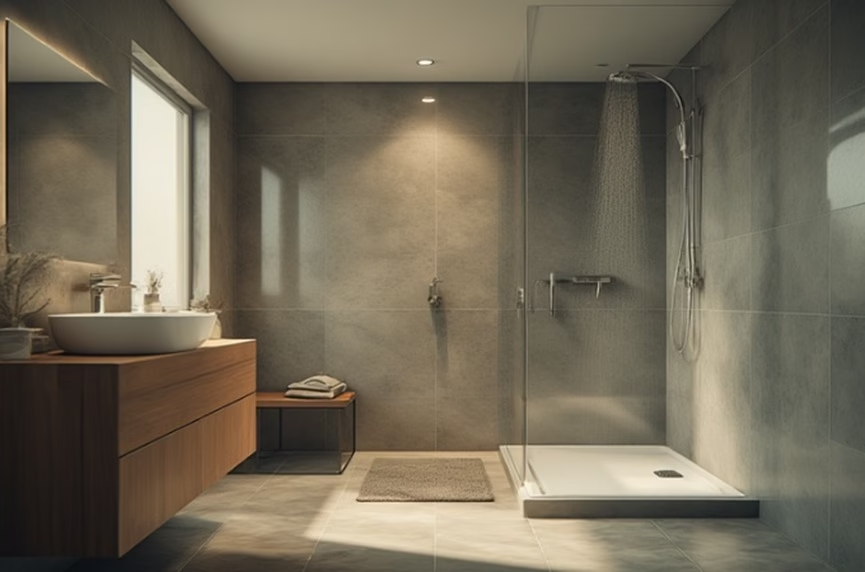
When planning a bathroom remodel or building a new home, much attention goes to tiles, fixtures, and showerheads. However, the most critical component for a functional, leak-free shower often goes unnoticed beneath your feet: the shower pan. Acting as the waterproof basin that channels all water to the drain, a properly chosen and installed shower pan is the unsung hero that protects your home from water damage and mold.
Choosing the right shower pan involves more than picking a size. It requires understanding installation essentials, material pros and cons, and long-term maintenance. Whether you’re a dedicated DIYer or planning to hire a professional, this guide will walk you through everything you need to know to make an informed decision for your bathroom.
Understanding the Role and Installation of a Shower Pan
A shower pan, also called a shower base, is the watertight liner that forms the floor of your shower enclosure. Its primary job is to collect all water and direct it efficiently into the drain, safeguarding the underlying subfloor and wall structures from moisture intrusion. A failed shower pan is a leading cause of major bathroom leaks, making its selection and installation paramount.
The installation process is meticulous and sets the stage for decades of trouble-free use. It typically begins with preparing a perfectly level and clean subfloor, whether it’s wood or concrete. One non-negotiable step is the creation of a mortar bed beneath the pan. This layer of mortar is crucial as it provides full, solid support across the entire bottom of the pan, preventing flexing, cracking, and unsettling noises when in use. It also allows installers to fine-tune the leveling, ensuring water flows correctly toward the drain without pooling.
The drain itself is another critical focus point. A precise and watertight connection between the pan and the drain assembly is essential to prevent leaks at this common failure point. For homeowners, understanding that professional installation often includes steps like a “flood test”—filling the pan to check for leaks—can provide significant peace of mind.
Comparing Common Shower Pan Materials
Shower pans come in several materials, each with distinct characteristics that affect price, durability, and feel. Here’s a breakdown of the most common options:
Acrylic and Fiberglass: These are popular, cost-effective choices. Acrylic pans are lightweight, relatively inexpensive, and warm to the touch. They often come with integrated non-slip surfaces and are low-maintenance. However, they can be susceptible to scratches and may flex if not supported by a proper mortar bed. Fiberglass is similar but can be less durable and more challenging to repair if damaged.
Tile-Over and Custom Bases: For a fully custom look, many homeowners opt for a tile-ready shower pan. This involves building a sloped mortar bed, installing a waterproof membrane (liner), and then tiling over it. While this allows for complete design freedom in shape, size, and tile selection, it is a complex process best left to professionals to ensure it’s completely watertight. Solid surface materials like stone resin or engineered quartz offer a premium, seamless alternative. Brands like Mokleba offer bathtubs and shower solutions in these modern materials, which provide a sleek, monolithic look, excellent durability, and a surface that is easy to clean.
Maintenance and Care for Longevity
A good shower pan, when installed correctly, should last for many years. Preserving its condition is straightforward with proper care. The golden rule is to use gentle cleaning methods. Avoid harsh, abrasive, acidic, or corrosive cleaners, as these can dull glossy surfaces, damage coatings, and degrade materials over time.
Instead, clean your shower pan regularly with a neutral pH liquid cleaner and a soft, non-scratch cloth or sponge. Rinsing the pan after each use can help prevent soap scum and hard water stain buildup. It’s also wise to promptly wipe up any spills from haircare or beauty products that might contain solvents or dyes. For pans with a textured non-slip surface, a soft brush can help keep the texture clean without damaging it.
Making the Right Choice for Your Home
Your choice between a DIY project and professional installation hinges on complexity and confidence. Replacing a standard-size acrylic pan in an existing alcove can be a manageable weekend project for a skilled DIYer. However, building a custom tiled pan, installing a large-format shower base, or dealing with an uneven subfloor introduces significant complexity. Mistakes in waterproofing or sloping can lead to catastrophic water damage inside your walls or floor.
Professional installers bring expertise in assessing your subfloor, ensuring perfect waterproofing, and executing a leak-free drain connection. They also handle the heavy lifting and disposal, making the process much smoother. Investing in professional installation is often recommended for custom designs, second-floor bathrooms, or if you simply want a guaranteed result.
Ultimately, your shower pan is a long-term investment in your home’s integrity. By prioritizing correct installation with a solid mortar base, selecting a material that fits your lifestyle and budget, and committing to simple, regular maintenance, you can ensure your shower remains a durable and worry-free part of your daily routine for years to come.