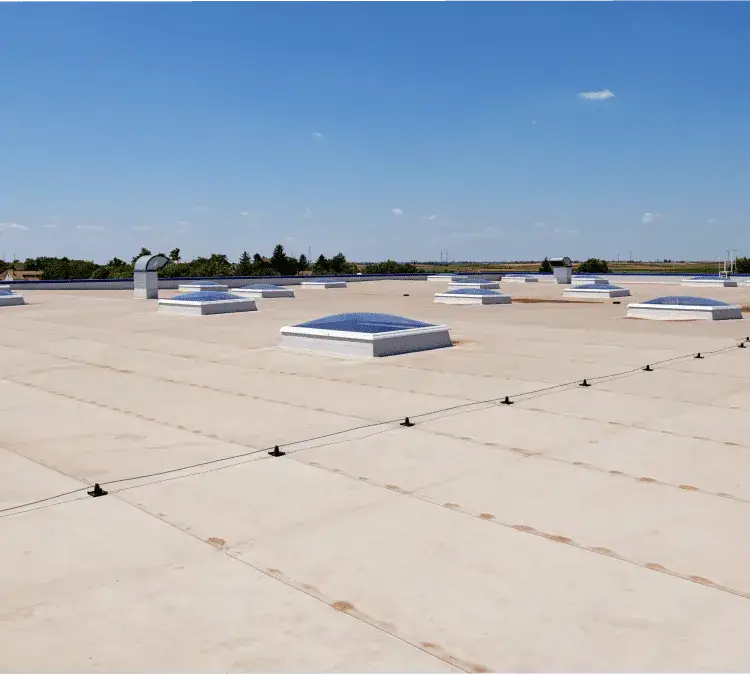
After the passage of a heavy storm, most people go outside and take a look up at the roof. If they don’t notice any missing roof shingles or tree limbs, they can exhale in relief. But the roof may be damaged in ways that won’t be noticeable for weeks or months after the storm has passed. By the time water spots appear on the ceiling or the smell of mold reaches the attic, the situation may be well out of hand.
For homeowners and business owners, understanding what a storm does to a roof may mean saving thousands of dollars.
Why Storm Damage Often Goes Unnoticed
A storm doesn’t always cause damage – it weakens. Wind, rain, hail, and debris can weaken the layers of a roof without stripping anything away. From the street, everything may look just fine. Up close, however, the roof could be vulnerable to the very next rainfall.
This is why many people only start searching for Roofing companies near me after interior damage appears — when prevention is no longer an option.
1. Wind Damage That Doesn’t Tear — It Lifts
One of the most underestimated dangers is wind damage. Instead of tearing roof shingles loose, high winds can simply lift them high enough to break the adhesive seal that keeps water out.
Once that seal is broken:
- Shingles may settle back into place
- The roof still looks intact
- Rain can slip underneath during future storms
Over time, this hidden damage allows water to seep into the roof decking, causing rot and mold growth.
Local professionals from Roofing companies meridian ms frequently find this type of damage during inspections, even when homeowners report “no visible issues.”
2. Hail Damage That Speeds Up Aging
Roof damage from hail doesn’t have to create holes in your roof to become a problem. Even small hail can cause damage to shingles, which can cause protective granules to be knocked loose and damage the underlying material.
The process begins with a slow deterioration:
- Sun exposure dries out the damaged areas
- Shingles become brittle
- Cracks form over time
- Pieces begin breaking off
Months later, homeowners may suddenly be faced with leaks and wonder what happened — unaware that the damage began during a storm long ago.
If you discover granules in gutters later on, it’s likely that hail damage has already occurred.
3. Flashing Problems Around Sensitive Areas
Flashing is the metal shield that is installed around chimneys, vents, skylights, and roof edges. It is essential to keep water from seeping into the most sensitive areas of your roof.
During storms, flashing can:
- Bend from flying debris
- Loosen due to wind pressure
- Separate from surrounding materials
Since flashing damage is not easily seen from the ground, leaks around chimneys or vents often catch homeowners by surprise weeks after the damage occurred.
At this point, looking for Roofers near me is likely to mean that water has already penetrated the building.
4. Water Intrusion Without Immediate Leaks
One of the most misleading types of storm damage is water intrusion that doesn’t appear immediately. Wind-driven rain can push water into small gaps, where it becomes entrapped within insulation or wood decking.
Inside the roof system, that moisture can lead to:
- Mold growth
- Wood decay
- Insulation damage
- Reduced energy efficiency
You may not realize anything is wrong until your house begins to smell like a damp basement or your cooling bills suddenly skyrocket.
5. Debris Damage That Looks Minor
Branches and limbs may not seem like a big deal, but after a few hits, they can lead to cracked shingles or undermine protective barriers. Even a little bit of debris hitting the roof during high winds can wear down surfaces.
Over time, these weaknesses turn into water entry points. What appeared innocuous during cleanup efforts can quietly reduce the lifespan of your roof.
6. Structural Stress From Severe Winds
Storms put enormous pressure on the entire roofing system — not just the outer layer. Strong winds can put pressure on fasteners, loosen joints, and shift building components.
You may notice signs later such as:
- Slight roof sagging
- Uneven roof lines
- Interior cracks in ceilings or walls
At this stage, repairs become more complex and expensive.
Special Considerations for Commercial Roofs
Commercial roofs have their own set of challenges. Flat or low-slope roofs, for instance, can collect water, debris, and hide damage over a wide area.
Business owners often turn to Commercial roofers meridian ms when issues like these appear:
- Standing water that won’t drain
- Punctures in roofing membranes
- Seam separation
- Saturated insulation beneath the surface
Because commercial roofs are expansive, small problems can spread widely before detection.
When business owners search for Commercial roofing near me, it is often after interior damage disrupts operations — something preventive inspections could have avoided.
Warning Signs After a Storm
Even if your roof is in great shape, keep an eye out for these telling signs that something is not right:
- Water stains on ceilings or walls
- Peeling paint near the roofline
- Unusual drafts or temperature changes
- Debris fragments around your property
- Musty or wet attic smell
These are signs of hidden damage that require professional expertise.
Why Early Inspections Matter
Fixing storm damage right away is always cheaper and simpler than putting it off. Finding issues before they cause water damage to the structural elements, insulation, and interior areas of your home can end up saving you a significant amount of money down the road.
Experts in your area, like B&A Roofing, know how weather patterns in your area affect your roof and where to search for hidden issues. Their familiarity with homes and businesses in your area gives them an edge in spotting issues that could potentially be overlooked by others.
The Price of Ignoring Hidden Damage
While it may seem harmless to put off inspections if everything appears to be in order, the cost of procrastination can be high:
- Extensive interior repairs
- Mold remediation costs
- Structural weakening
- Reduced property value
- Insurance claim complications
In extreme instances, neglected damage can even pose hazards to the people inside.
Roof Protection Prior to the Next Storm
While you can’t control the weather, you can reduce the risks of potential problems by taking a proactive approach to maintenance:
- Schedule an inspection after a major storm
- Maintain your gutters for optimal drainage
- Trim nearby tree branches
- Address minor repairs promptly
- Monitor attic conditions regularly
By taking a proactive approach to maintenance, you’ll not only extend the life of your roof, but you’ll also have peace of mind when severe weather rolls in.
Final Thoughts
A storm does not necessarily have to produce visible damage in order to produce serious roofing issues. The worst kind of damage is often hidden: displaced materials, water accumulation, damaged seals, and structural damage that will continue to deteriorate with time.
Instead of waiting for leaks or emergencies that can be costly, taking storms seriously and inspecting your roof can protect your investment and your wallet. Whether you’re a homeowner or a commercial property manager, being aware of these unseen dangers allows you to stay ahead of the next storm.
When the sky clears and everything looks normal, that’s actually the moment to be cautious — because your roof may be carrying damage you simply cannot see yet.