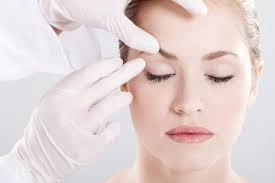
The results of cosmetic surgery rely on numerous factors, and lifestyle choices play a key role in the quality of healing. Patients may not always fully recognize how daily routines influence the postoperative healing process after cosmetic procedures. Making mindful choices in these routines can support smooth recovery and help minimize risks or complications. Here’s more information about the impact of lifestyle choices on cosmetic surgery outcomes:
Smoking and Complication Rates
Smoking may impact healing during and after cosmetic surgeries involving sensitive tissues. Chemicals in cigarettes, including nicotine, may constrict blood vessels, potentially reducing the delivery of oxygen and nutrients that are key for tissue repair. Patients who smoke might experience more challenges during postoperative recovery compared to non-smokers. Quitting smoking before surgery is often recommended to help improve circulation and overall health. Stopping this habit can support a smoother healing process. Longer periods of smoking cessation prior to surgery are often more beneficial for patient safety and recovery outcomes.
Alcohol Use and Healing
Alcohol affects recovery by disrupting immune processes necessary for proper healing. It may increase the risk of bleeding and complicate clotting and tissue stabilization at surgical sites. Alcohol causes dehydration, which can delay cell repair needed for wound closure. Alcohol’s interaction with medications commonly prescribed after cosmetic surgery also causes dizziness, nausea, and discomfort, potentially hindering recovery.
Healthcare professionals advise avoiding alcohol before and after surgery to promote safer healing. Alcohol consumption may weaken immunity and increase the risk of infection around surgical wounds. A compromised immune response can slow inflammation and prolong postoperative recovery.
Avoiding alcohol helps maintain stable circulation, supporting the nutrient supply required for tissue renewal. This also contributes to steadier energy levels, allowing patients to experience more comfortable recovery days. Moderating or temporarily abstaining from alcohol is often recommended, especially for procedures involving delicate tissues like body contouring or facial enhancements. Such precautions are associated with fewer complications and more reliable long-term results.
Nutrition and Physical Exercise
Healthy nutrition plays a key role in supporting healing by providing nutrients for tissue restoration after surgery. Balanced diets supply vitamins that contribute to collagen production, which helps strengthen surgical sites. Adequate protein intake supports the repair of muscles and skin following reshaping or tightening procedures.
Minerals like zinc aid in cell nourishment, promoting smooth healing without complications. Staying well hydrated assists circulation, allowing nutrients to reach areas that need ongoing repair after surgery. A nutritious diet may help reduce inflammation, enhancing comfort during recovery stages.
Gentle exercise improves blood flow, delivering oxygen that supports tissue healing after cosmetic procedures. Physical activity also supports immune function, which helps the body respond to potential postoperative challenges. Exercise helps maintain weight, verifying that surgical results appear smooth as tissues settle into their new shape. Consistent preoperative habits of nutrition and light exercise prepare the body for a more efficient healing process. Together, these practices encourage predictable outcomes following cosmetic surgery.
Sleep and Emotional Resilience
Sleep plays a necessary role in supporting recovery by allowing the body to carry out key physiological processes. During sleep, the body repairs tissues, reduces inflammation, and supports immune functions that contribute to healing. Rest also helps manage pain, making recovery more comfortable for patients. Consistent sleep patterns promote emotional well-being, which can positively influence tissue repair and wound stability. Maintaining regular sleep habits supports steady energy levels, improving the overall recovery experience after cosmetic surgery. Relaxing in comfortable positions helps protect surgical sites that require careful alignment during healing. A quiet and dark environment can enhance rest quality, which benefits immune activity. Sleep also supports hormonal balance, which may help manage postoperative swelling. Prioritizing sleep makes sure the body can complete necessary regenerative functions during the night.
Boost Your Cosmetic Surgery Recovery
Lifestyle choices help shape both the recovery process and the final aesthetic results of cosmetic surgery. Behaviors that support healthy circulation, strengthen the immune system, and promote tissue healing offer significant benefits for recovery. Patients who adopt positive lifestyle changes before and after surgery may experience fewer complications and a smoother, faster healing process. By combining skilled surgical techniques with consistent, healthy lifestyle habits, individuals can greatly improve their chances of achieving optimal and lasting cosmetic outcomes. Work with a reliable cosmetic surgeon to learn more about recovery.