In the vast realm of home maintenance, the septic system often remains an enigmatic entity for many homeowners. A septic system is an integral part of a household’s larger plumbing infrastructure. It is essentially a mini wastewater treatment facility designed for single residences or small groups of homes in areas where municipal sewage systems are not available.
- Unveiling Hidden Impediments: The Importance of Regular Maintenance and Inspections
- Unraveling the Mysteries: Understanding Septic Systems
- Diving Deeper: Components of a Septic System
- The Harmonious Concert: How Septic Systems Manage Waste
- Clogged or Blocked Pipes: An Unseen Nuisance
- Overloaded or Flooded Drain Fields: Drowning in Waste
- Buildup Of Solids In The Tank: A Ticking Time Bomb
- Broken Or Damaged Components: The Silent Saboteurs
- Troubleshooting Septic System Problems: The Balance Between DIY Fixes and Professional Help
- Knowing the Right Time for DIY Fixes
- The Call for Professional Intervention
- Weighing the Pros and Cons: A Matter of Knowledge and Risk
- The Imperative of Regular Inspections
- Adhering to Proper Usage Guidelines
- Establishing a Routine Pumping Schedule
- Conclusion
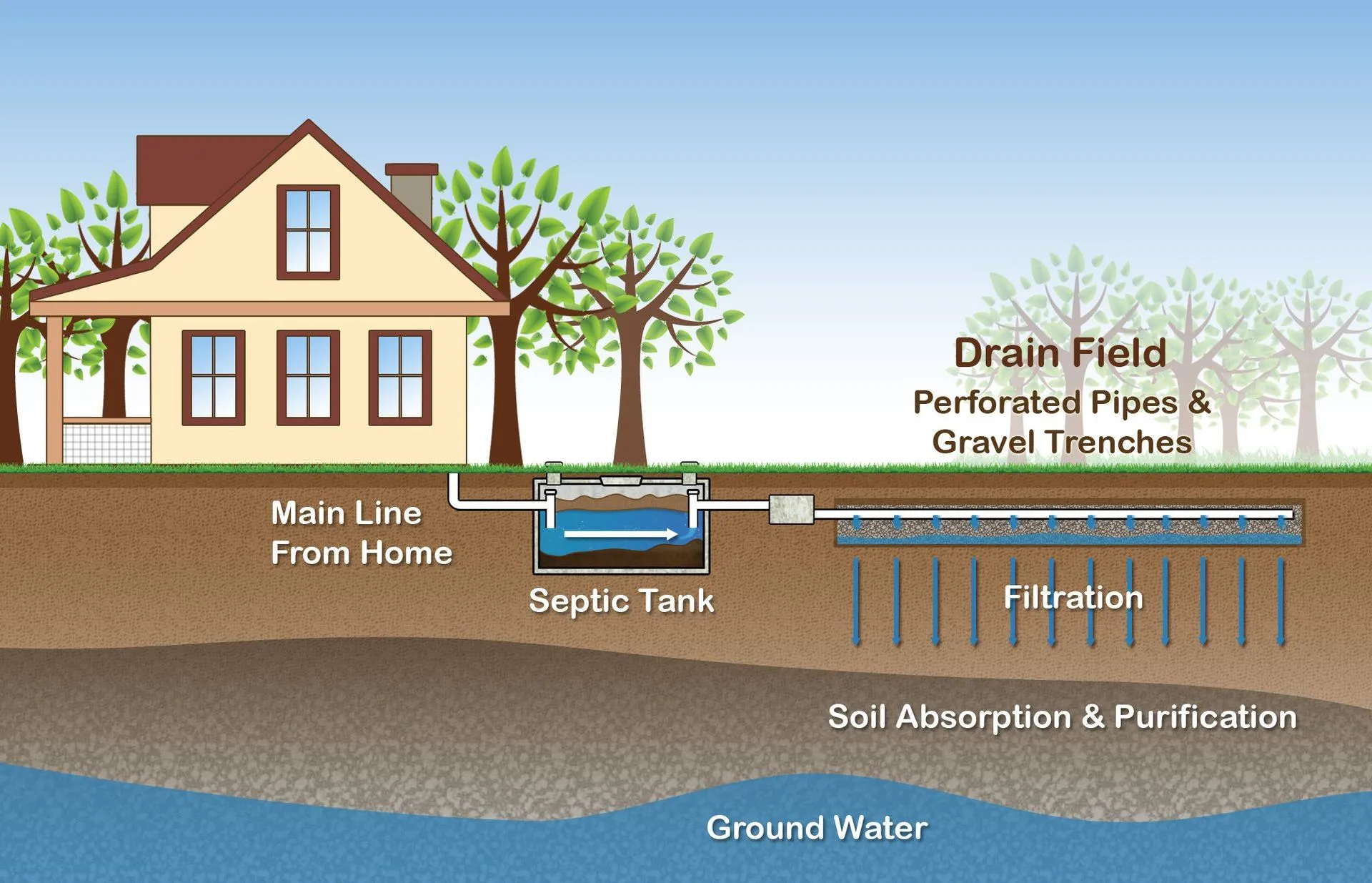
Sequestered underground, this innovative contraption functions silently and diligently, treating and disposing the waste generated by the household inhabitants. The septic system comprises two primary components: the tank and drain field (also known as leach field or disposal field).
The tank, usually made from concrete, fiberglass or polyethylene, serves as a settling pond where solids accumulate and gradually decompose through bacterial action. The liquid effluent then flows into the drain field — a series of perforated pipes laid out in gravel-filled trenches — where it is further treated by natural processes in the soil before returning to groundwater sources.
Unveiling Hidden Impediments: The Importance of Regular Maintenance and Inspections
While your septic system quietly fulfills its duties beneath your property’s surface, it demands more than just occasional attention. Regular maintenance and inspections are paramount to prevent system failures that could lead to costly repairs or replacement. Like any well-oiled machine, your septic system requires routine care to ensure optimal performance.
Firstly, periodic inspections help identify potential issues before they escalate into full-blown problems. A thorough inspection involves assessing every component of your system—tank levels, structural integrity of tank walls and covers, condition of baffles or tees (structures that help slow down incoming waste), proper functioning of drains etc.—to ascertain their current status.
In addition to regular inspections, routine pumping should also be part of your maintenance regimen. Over time, solids accumulate within the septic tank faster than they decompose, resulting in a thick sludge layer that reduces the tank’s capacity.
If not periodically pumped out, these solids could overflow into the drain field, causing extensive damage. Conclusively, regular maintenance and inspections of your septic system are much like getting routine health check-ups: they may seem tedious or unnecessary at first, but their consistent practice can help detect issues early on and prevent more serious afflictions down the road.
Unraveling the Mysteries: Understanding Septic Systems
The septic system, while not a glamorous topic, is a crucial part of any residential or commercial building. It’s a largely unseen, yet highly significant component that ensures hygienic disposal and treatment of waste. To fully grasp the common problems that may arise with septic systems and how to troubleshoot them, one must first understand what they comprise and how they function.
A septic system is an individual wastewater treatment system that uses the process of biological decomposition and drainage to treat and dispose of household waste. With proper care and maintenance, these systems can provide long-term, effective treatment of household wastewater.
Understanding the intricacies of your septic system allows you to be aware when something is off-kilter. Knowledge about these systems also aids in understanding preventative measures to keep everything running smoothly and efficiently.
Diving Deeper: Components of a Septic System
Three main components create a well-functioning septic system: tank, drain field (also known as leach field or soil absorption field), and surrounding soil. Each piece plays an integral part in managing waste efficiently. The tank is usually constructed from concrete or plastic and serves as the initial destination for all household wastewater.
Here, heavy solids sink down forming sludge while lighter solids like fats or oils float on top as scum. The middle layer consists of relatively clear water – this is what moves on to the drain field.
The drainfield functions as a conduit between the septic tank’s liquid effluent and the surrounding soil where final filtering happens before it rejoins groundwater sources. This area comprises piping laid out in trenches filled with gravel; this design allows for even distribution while facilitating filtration.
The soil around your home plays an underrated but essential role in the last stage of treatment. It acts as a natural filter, trapping any harmful bacteria or viruses that might still be present in the effluent from your tank, thereby preventing them from reaching groundwater.
The Harmonious Concert: How Septic Systems Manage Waste
A properly functioning septic system operates like a well-conducted orchestra; each component harmoniously performing its part resulting in effective waste management. The process begins at source – your home. Wastewater, once flushed or drained from your house, travels to the septic tank.
In the tank, solids are separated from liquids. The heavier solids settle at the bottom forming sludge while lighter ones float on top creating scum.
The clarified liquid in between is what is released to the drain field. When this clarified water reaches the drain field, it’s distributed evenly through perforated pipes into gravel-filled trenches.
As it percolates down through soil layers beneath each trench, further filtering occurs removing harmful pathogens. This treated wastewater eventually makes its way back into groundwater sources; completing a cycle of waste disposal and water rejuvenation.
Most Common Septic System Problems
Clogged or Blocked Pipes: An Unseen Nuisance
The movement of wastewater from your home to the septic tank relies heavily on the integrity of your pipes. When these become clogged or blocked, it can disrupt the entire process.
Common culprits include non-degradable materials like diapers and plastic wrappers, as well as excessive amounts of grease or oil. The most noticeable signs of this issue typically include slow draining sinks, gurgling sounds in your drains, and unpleasant odors around your property.
Preventing blocked pipes mostly revolves around mindful usage. Be careful about what makes its way down your drain.
Avoid disposing things like cooking oil, coffee grounds, and non-degradable items into your sinks and toilets. As for solutions, minor blockages may be cleared with high-pressure water jets or plumbing snakes.
Overloaded or Flooded Drain Fields: Drowning in Waste
The drain field plays a crucial role in treating the wastewater exiting the septic tank. However, persistent heavy rainfall or overuse of water in the household can lead to it becoming overloaded or flooded – a condition equally problematic for both your system’s functionality and environmental health.
Signs of this issue may include patches of overly lush vegetation on top of the drain field area, sewage smells outside your house, and wastewater backflow into lower-level drains. To prevent overloading or flooding situations maintain a balanced water use within your household to avoid saturating the drain field.
During extreme weather events like heavy rainfall plan ahead by minimizing indoor water usage where possible. If you notice any signs indicative of an overloaded system consider contacting a professional who can assess whether drainage improvement measures are necessary.
Buildup Of Solids In The Tank: A Ticking Time Bomb
Septic tanks are designed to hold solid waste material while separating the liquids for further treatment. Over time, however, these solids accumulate and if not properly managed, can result in a buildup that impedes the system’s functionality.
Signs of a full or nearly full tank might include slow flushing toilets, drains making gurgling sounds, or even raw sewage overflowing from your system. Regular septic tank pumping is integral to preventing issues associated with solid build-up.
Depending on your tank size and household water usage habits the recommended frequency varies – usually between 3 to 5 years. If buildup has reached critical levels, professional help is likely to be necessary for thorough cleaning and restoring of system operation.
Broken Or Damaged Components: The Silent Saboteurs
Like any other system made up of multiple parts working in unison, the optimal functioning of your septic system depends on each component being in good working order. Damage or breakage to parts such as pipes, baffles or even the tank itself could spell disaster for your waste management process.
Such issues might not always be evident until you notice symptoms like sewage backups, slow draining fixtures or soggy areas around your leach field. Preventive maintenance is key when it comes to safeguarding against damages to septic components.
Regular inspections by professionals can help detect early signs of wear and tear that could escalate into more serious damage if left unaddressed. In case of broken parts necessary repair work should ideally be handled by experienced professionals who have the right tools and knowledge needed for such specialised tasks.
Troubleshooting Septic System Problems: The Balance Between DIY Fixes and Professional Help
Knowing the Right Time for DIY Fixes
Homeowners with a certain level of technical savvy may be inclined to attempt fixes on their own, particularly for issues that seem minor or straightforward. One such example is unclogging pipes, which often involves non-specialized tools and can typically be accomplished without professional intervention.
The process involves identifying the affected area, using a plumbing snake to loosen and remove the blockage, and then flushing the system to ensure it’s clear. It’s important to take note of what caused the blockage in order to prevent future occurrences.
Common culprits include non-degradable items flushed down toilets or excessive food waste washed down kitchen drains. However, diving into DIY septic system repairs is not without its risks.
The most obvious is that an inexperienced individual could inadvertently exacerbate a minor problem by using incorrect techniques or tools. Additionally, there’s also the potential risk of personal injury when dealing with waste materials or heavy machinery.
The Call for Professional Intervention
Not all septic system problems are suited for DIY solutions; indeed, some require professional help due to their complexity or because they necessitate specialized tools or knowledge. For instance, issues related to drain field flooding demand extensive expertise in soil percolation as well as access to heavy machinery for excavation and replacement of damaged components.
If there’s a suspected leak in your tank or if it needs pumping (usually required every 3-5 years), this task should definitely be left up to professionals who have both the right equipment as well as an understanding of local regulations regarding waste disposal. Beyond just handling immediate repairs effectively, engaging professionals helps avoid potential long-term consequences if problems are not correctly addressed.
For instance, unattended leaks can cause soil and groundwater contamination—a serious environmental hazard that can also dramatically decrease your property value. Similarly, incorrect repairs or installations may lead to recurrent problems, necessitating more costly fixes in the future.
Weighing the Pros and Cons: A Matter of Knowledge and Risk
When it comes to maintaining your septic system’s health, striking a balance between DIY fixes and professional help is crucial. The key lies in understanding which issues you’re equipped to handle and which are best left to professionals. While we all enjoy the satisfaction of fixing minor household problems ourselves, we must also recognize when our actions could potentially do more harm than good.
Be aware of your limits; it’s often better—and less costly in the long run—to admit you need help before a small problem becomes a major issue. The cost and inconvenience of calling in professionals may seem daunting initially.
However, this should be weighed against the potentially significant expenses associated with damage repair caused by incorrect DIY attempts or neglect over time. Always remember that preventative maintenance is cheaper than corrective action!
Preventative Measures for Septic System Longevity
The Imperative of Regular Inspections
Regular inspections of your septic system are integral to its longevity and efficient operation. Industry experts recommend having your septic system inspected at least once every three years by a qualified professional. These inspections serve to identify potential issues before they morph into costly complications, ensuring that the system functions optimally.
The inspector checks the levels of sludge and scum in your tank, inspects for leaks and examines the mechanical components of your system to ensure everything is operating as it should. Besides providing an opportunity for early problem detection, regular inspections also provide valuable information about your septic tank’s health.
They can reveal if the tank needs pumping, predict how much longer parts may last before needing replacement or repair, and offer specific tips tailored to your septic system on how to prolong its lifespan. Failure to carry out regular inspections may result in undetected issues festering over time.
These unnoticed problems could eventually necessitate extensive repairs or even complete replacement of the septic system. Therefore, scheduling routine inspections not only saves you money in the long run but also ensures that your home environment remains sanitary and safe.
Adhering to Proper Usage Guidelines
A crucial aspect of maintaining a healthy septic system is adherence to proper usage guidelines, particularly concerning what goes down your drains. As a general rule, nothing but human waste and toilet paper should be flushed down toilets. Many items commonly flushed down toilets such as wipes (even those labeled ‘flushable’), feminine hygiene products, diapers, or paper towels can cause blockages in pipes and disrupt normal waste breakdown in the tank.
Your kitchen sink drain is another potential hazard zone if used improperly. Cooking grease or oil should never be poured down the sink as these substances can congeal and clog pipes and may also cause a scum layer in your septic tank that’s difficult for bacteria to break down.
Similarly, food debris should be limited—using a sink strainer and composting or trashing excess food waste can help maintain clear, functional pipes. Even certain types of soaps, detergents, and household cleaners can harm your septic system if used excessively.
These products may kill the beneficial bacteria in the tank that are essential for breaking down waste. Therefore, it is recommended to use septic-safe cleaning products where possible.
Establishing a Routine Pumping Schedule
A routine pumping schedule is one of the most effective preventative measures you can take to ensure your septic system’s longevity. The frequency with which your tank needs pumping depends on several variables such as the size of your tank, the number of people in your household, and the volume of solids in wastewater. However, industry professionals typically advise homeowners to have their septic tanks pumped every 3-5 years.
Pumping removes the buildup of solid waste material that has accumulated at the bottom of your tank over time. If left unchecked, these solids can eventually overflow into the drain field causing system failure or significant damage demanding expensive repairs.
Remember that while regular inspections help identify when pumping is necessary; they do not replace the need for actual pump-outs. Establishing and sticking to a routine pumping schedule will aid in preventing unpleasant odors from surfacing around your property, slow draining fixtures within your home—both telltale signs of an overloaded tank—and ultimately increase the lifespan of your septic system.
Conclusion
Revisiting the Importance of Septic System Upkeep
A well-maintained septic system is the linchpin of a comfortable and hygienic household. Neglected septic systems can lead to a cascade of problems that may not only disrupt your daily life but also cause significant damage to your property.
Remember, the safety, efficiency, and longevity of your septic system are directly proportional to the level of care it receives. Being cognizant about what goes into your system is paramount.
Items that do not degrade naturally can wreak havoc on your septic tank’s balance and flow. Moreover, regular pumping every three to five years can significantly reduce the chances for solids buildup in the tank.
Problems occurring within any part of your system should never be ignored since they are often indicative of deeper issues. Addressing these problems swiftly ensures you avoid catastrophic failures which could necessitate exorbitant repair costs or even complete replacement.
The Path Forward: Observing Proper Septic System Care Practices
This article has discussed various common septic issues, their causes, signs, preventive measures and solutions in detail. However, it is important to note that while certain minor fixes like unclogging pipes might be within the reach of a DIY approach; more complex issues require professional intervention.
Professionals come equipped with both knowledge and tools required for handling such intricate tasks that if attempted without proper expertise could lead to exacerbating an existing problem rather than resolving it. Notably too, regular professional inspections ensure early detection of problems which when dealt with promptly can prevent potential disasters down the line.
It cannot be stressed enough how crucial it is for homeowners with private septic systems to familiarize themselves with these basic tenets governing their operation and maintenance. By following these guidelines conscientiously you not only guarantee yourself peace of mind but also ensure significant savings on potential repair or replacement costs.
Final Thoughts
While the spectrum of potential problems associated with septic systems may seem daunting, they are predominantly preventable. With regular maintenance, careful use, and prompt professional attention when needed, a majority of these complications can be either entirely circumvented or swiftly remedied. Let this information serve as your guide and encouragement to commit to the best practices for your system’s care.
It’s not just about fixing problems; it’s about creating a more efficient and seamless living environment. You have the control to ensure your septic system continues functioning optimally for years to come.
Such proactivity is not just an investment in your property; it is an investment in a healthier, hassle-free living. So here’s to happy households buoyed by efficiently running septic systems!