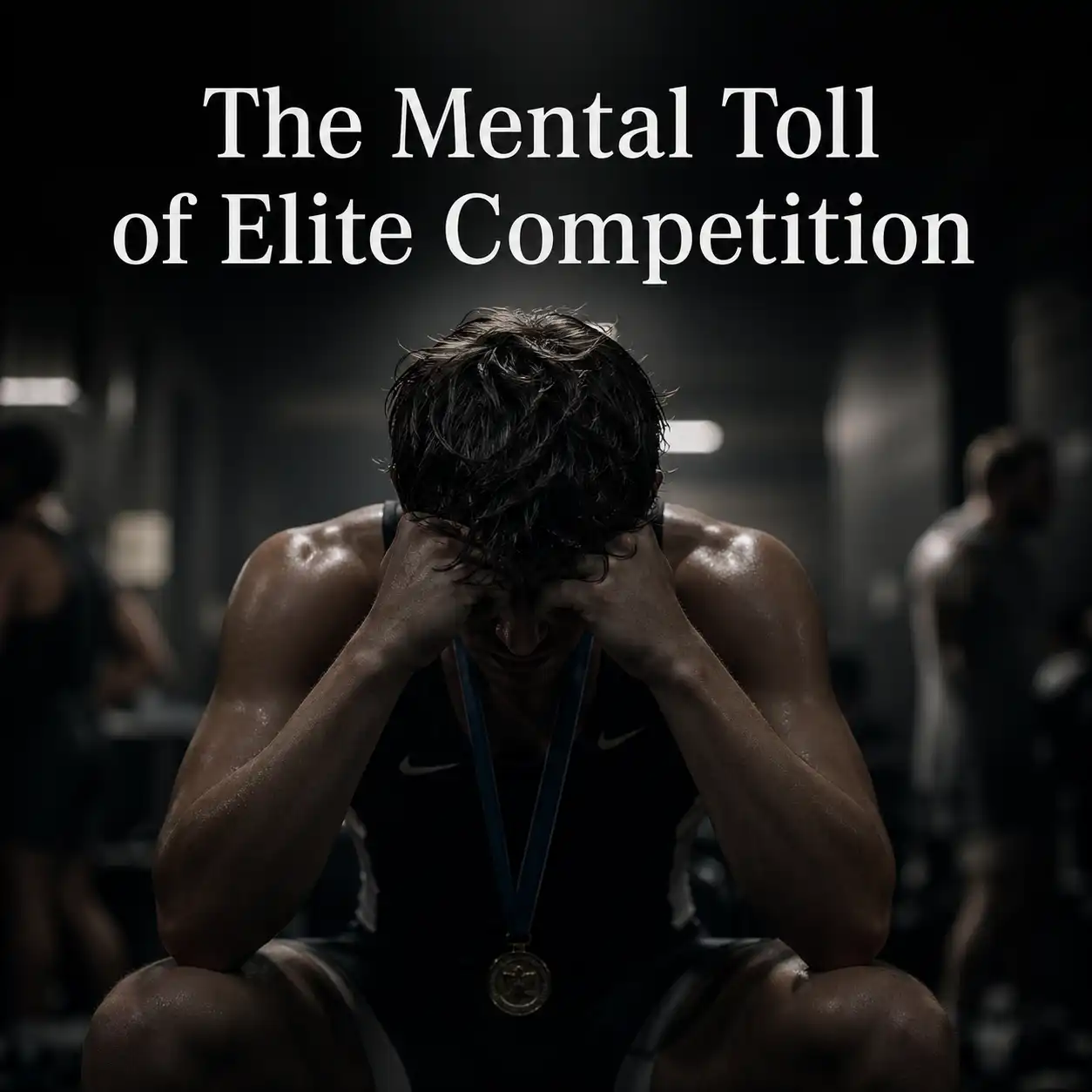
Winning is celebrated as the ultimate reward in elite sport. Medals, trophies, contracts and public admiration all appear to confirm that success brings fulfilment. Yet behind the applause, many top athletes experience a far more complicated reality. The relentless pursuit of victory can create a psychological dependence on competition itself, where achievement becomes not simply a goal, but a necessity. For some, the need to win becomes addictive.
Elite competition demands extraordinary discipline. Athletes often structure every hour of their lives around training, recovery, nutrition and performance. Sacrifices are normalised, pain is tolerated and identity becomes closely tied to results. Over time, this environment can teach competitors that self-worth is conditional: they matter when they win, and they fail when they lose. Such thinking places immense pressure on the mind.
When Winning Becomes a Drug
Success in sport triggers powerful emotional rewards. Victories bring adrenaline, public praise and a surge of confidence. Neurologically, moments of triumph can activate reward pathways in the brain, creating feelings of pleasure and validation. Like any rewarding experience, this can become something a person craves repeatedly.
For elite performers, the next win often becomes more important than the last. A title defence replaces celebration, records must be broken, and satisfaction rarely lasts long. Many athletes describe feeling empty shortly after major achievements, quickly turning their attention to the next target. The high of winning can be intense but short-lived, leading to a cycle of constant pursuit.
This mindset is often reinforced by coaches, sponsors, supporters and media coverage. Society tends to reward champions while paying little attention to those who finish second. In such an atmosphere, athletes may feel trapped in an endless race for approval.
Identity Beyond the Scoreboard
One of the greatest psychological risks in elite sport is identity foreclosure; when a person defines themselves entirely through one role. If an athlete has spent decades being known only as a runner, boxer, footballer or cyclist, they may struggle to understand who they are outside competition.
Losses can therefore feel catastrophic, not merely disappointing. Injury, deselection or declining form may trigger anxiety, depression or feelings of worthlessness. The fear of no longer being the best can become overwhelming. Some athletes train through pain, ignore emotional distress or isolate themselves rather than confront the possibility of decline.
Because toughness is prized in many sporting cultures, vulnerability is often hidden. Competitors may appear confident publicly while privately battling exhaustion, insomnia or panic.
Retirement and the Search for a New High
Retirement can be especially difficult. When training stops and the spotlight fades, many former athletes lose the routine, status and chemical rewards that competition once provided. The structure that shaped their daily existence disappears almost overnight.
Without adequate support, some seek replacement highs elsewhere. This can often lead to more traditional forms of addiction in retirement, including alcohol misuse, gambling, recreational drugs or compulsive behaviours such as excessive spending. The same traits that fuelled sporting success – risk-taking, obsession, tolerance for extremes and relentless pursuit of reward – can make these behaviours particularly dangerous.
We’ve seen it with so many stars across sport, with the likes of Ricky Hatton, Paul Merson, Paul Gascoigne and many others needing to go through an alcohol or drug detox, while in the case of the former addiction, sadly cost the Hitman his life.
More support is needed for athletes in retirement, with studies showing many are concerned about their mental health after they call time on their careers.
Changing the Culture of Success
The solution is not to discourage ambition, but to redefine what healthy success looks like. Elite sport must recognise mental well-being as seriously as physical conditioning. Psychological support should be embedded throughout careers, not offered only in crisis.
Athletes benefit from developing identities beyond sport: education, hobbies, relationships and interests that provide meaning outside results. Learning that personal value does not rise and fall with a scoreboard is essential protection against dependency on achievement.
Retirement planning should begin long before the final match or race. Career coaching, counselling and community support can ease the transition into ordinary life.