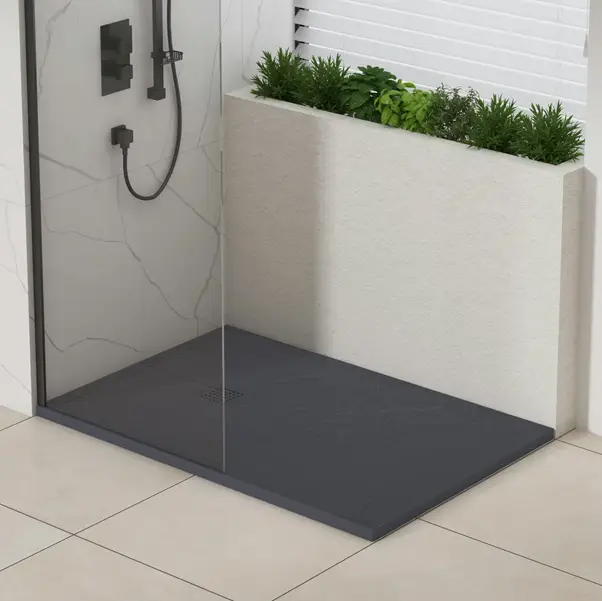
Selecting the right shower tray is essential for a leak-free and comfortable bathroom. Common shower tray mistakes include choosing the wrong size for the layout, ignoring plumbing access for low-profile designs, and selecting materials that are difficult to maintain. To avoid these, homeowners should match the tray shape, such as a quadrant or rectangular, to their specific floor plan and consider durable stone resin shower trays for long-term stability.
In this blog, we will explore the most frequent errors UK homeowners make. We will also provide practical solutions to help you find the right fit for your layout.
Mistake 1. Choosing the Wrong Shower Tray Size
One of the most common shower traymistakes is simply picking the wrong size for the room. A tray that is too small feels cramped, while a tray that is too large can disrupt the flow of the bathroom. You must balance the available floor space with the “elbow room” you need to wash comfortably.
In compact UK bathrooms, an 800×800 shower tray is a frequent choice. It fits into tight corners and is ideal for small ensuites or guest cloakrooms. However, if you have a bit more room, moving up to a 1000×800 shower tray offers a much more balanced layout. This size provides extra space without taking over the whole room.
For larger family bathrooms or master suites, large shower trays are becoming the standard. A 1200×800 shower tray is perfect for creating a walk-in shower feel. It offers plenty of room and feels very premium. The mistake people make is not measuring the “swing” of the shower door. Always ensure that the size of the tray allows enough space for you to move around the rest of the bathroom easily.
Mistake 2.Ignoring Tray Height and Plumbing Needs
In the UK, the height of your shower tray is not just a style choice; it is a technical one. Many people buy low profile shower trays because they want a sleek, modern look. These trays sit very close to the floor and create a seamless finish. They are excellent for accessibility and style.
However, a common mistake is buying a low profile tray without checking the plumbing. If your waste pipes run above the floorboards, a low profile tray may not work without a lot of extra construction. In these cases, raised shower trays (also known as easy-plumb trays) are the better choice. They come with legs and a removable panel. This allows the pipes to run underneath the tray, making installation much simpler and providing easy access for future maintenance.
Mistake 3.Picking the Wrong Shower Tray Shape for the Layout
Size is important, but the shape of the tray dictates how the room functions. Many homeowners choose a shape based on looks alone, which is a mistake. You must choose a shape that works with your specific floor plan.
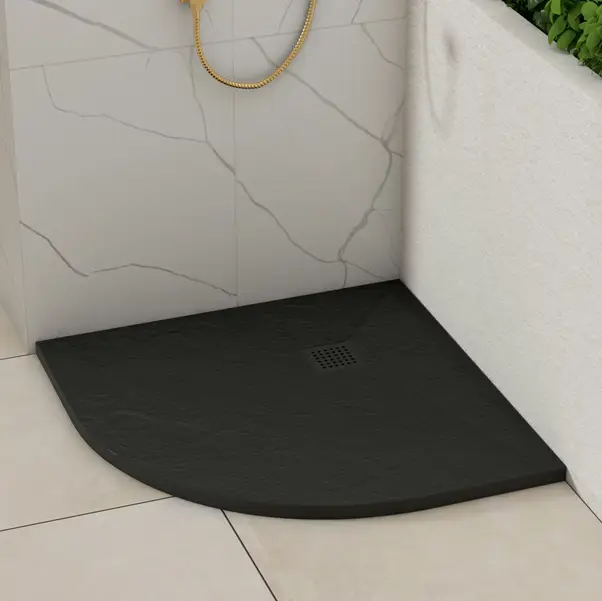
Quadrant shower trays are the ultimate space-savers for UK homes. Their curved front allows for more floor space in the rest of the room. They are perfect for corners. If you need a bit more length but still have a tight corner, offset quadrant trays are the solution. They have one side longer than the other, giving you more room to move inside the shower.
Rectangular shower trays are the go-to choice for modern, minimalist bathrooms. they provide a clean and structured look. Square shower trays are a simple and versatile option for basic layouts. The mistake here is often choosing a square tray when a quadrant would have saved vital floor space near the sink or toilet. Always think about your layout before you decide on a shape.
Mistake 4.Overlooking Material and Finish Options
The material of your tray affects its durability and how it feels underfoot. Acrylic shower trays are lightweight and budget-friendly. They are easy to install but can sometimes flex if they are not supported correctly. For a more solid and premium feel, stone resin shower trays are the preferred choice in the UK. They are made from a mix of minerals and resin, making them incredibly sturdy and long-lasting.
Finish is also a major design factor. Slate effect shower trays are very popular right now. They offer a textured, natural look that provides extra grip. They also hide soap suds and water marks better than smooth white trays. If you want a bold and contemporary look, black shower trays are a fantastic statement piece. The mistake people make is choosing a smooth, high-gloss tray in a busy family home. These can be slippery and show every bit of dirt. Always consider the maintenance and safety of the finish.
Mistake 5. Not Considering Bathroom Type and Usage
Are you building a standard shower enclosure or a full wet room? This is a vital question. Standard shower trays sit on top of the floor or are slightly recessed. They are designed to work with glass enclosures. Wet room shower trays (or wet room formers) are designed to be tiled over or sit completely flush with the floor.
A common mistake is trying to use a standard tray in a wet room setup. This often leads to drainage issues. If you want a seamless, open-plan look, a dedicated wet room tray is the only way to ensure the water flows correctly into the waste. If you are shopping for a traditional setup, you can find a wide range of shower trays that offer different depths and drainage speeds to suit your needs.
Mistake 6.Choosing Style Over Practicality
We all want a beautiful bathroom, but practicality must come first. A common mistake is putting a dark tray, like a slate effect or black model, in a bathroom with very poor lighting. This can make the shower area feel like a “black hole.” Similarly, putting oversized trays in small bathrooms can make the room feel cramped and difficult to clean.
You should also think about the future. If you are planning a “forever home,” low profile trays are much safer as you get older because there is no large step to navigate. Always balance your style preferences with the long-term usability of the space.
Mistake 7 .Ignoring Installation and Maintenance Needs
The final mistake people make is forgetting about the “aftercare.” A shower tray needs to be easy to clean and easy to maintain. Trays with very complex shapes or deep textures can trap grime and limescale. In the UK, where hard water is common, this can be a real headache.
You must also consider access to the plumbing. If you have a leak, you don’t want to have to rip out the entire tray and tiles to fix it. This is why many landlords and homeowners still prefer raised trays with removable panels. They offer a “safety net” for the future. Always think about how the tray will be installed and how easy it will be to live with for the next ten years.
Conclusion
Most shower tray mistakes are easily avoided with a little bit of planning. By measuring your space carefully and choosing the right shape for your layout, you can create a bathroom that works perfectly. Remember to consider the technical side, such as tray height and plumbing access, alongside the aesthetics of materials like stone resin or slate effect finishes.
Whether you are choosing a compact 800×800 shower tray or a luxury 1200×800 shower tray, the key is to balance design with practicality. Take your time to explore different shower trays UK options and think about the daily usage of your bathroom. A well-chosen shower tray provides a solid foundation for your shower space, ensuring a stylish and leak-free experience for years to come.