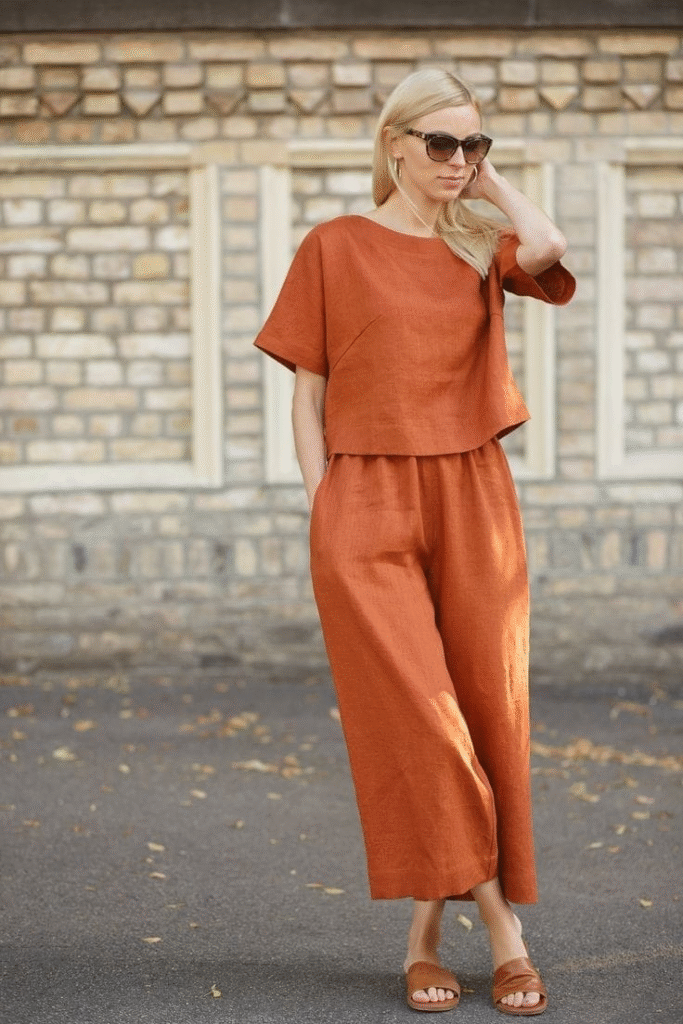
People form first impressions in a fraction of a second. Your clothes shape these snap judgments before you say a word. Research shows that our outfits tell others about our character, sociability, competence, and intelligence. A revealing study found that 96% of women interviewed felt their confidence was tied to their clothing choices.
The field of fashion psychology studies how clothes affect our mental processes and how others see us. This area of research took off after Adam and Galinsky’s groundbreaking 2012 work on “enclothed cognition.” Their research showed that clothes impact us through their symbolic meaning and the physical sensation of wearing them. Professional attire links strongly to competence and success. People who dress formally report higher levels of “felt power” and they focus better on their tasks.
Most people know clothes matter for first impressions. Yet they often don’t realize how much their outfit choices affect others’ opinions. The complete picture comes from more than just clothes. Your emotional expression, movement, body language, and the setting all play crucial roles. This piece dives into the fascinating connection between psychology and fashion that reveals your outfit’s message before you speak.
The Psychology Behind First Impressions
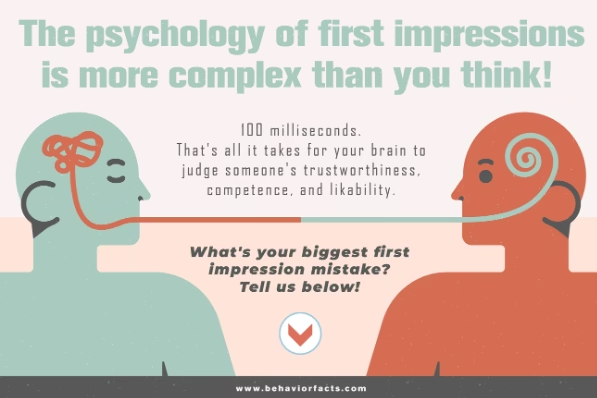
Studies reveal that we make complex judgments about people based on their appearance in a fraction of a second – as little as 130 milliseconds in some studies. These snap judgments happen almost instantly, even before our brains register seeing a human face.
How clothing influences snap judgments
A person’s attire speaks volumes about them the moment they enter a room, without any words exchanged. Clothing serves as a systematic way to transmit data about the wearer. It reveals qualities like character, sociability, competence, and intelligence. Research shows that people in formal attire are consistently seen as more competent, trustworthy, and authoritative.
A fascinating study found that small changes in clothing dramatically altered how people were perceived. The same faces paired with less expensive clothing were rated as less competent. This effect lasted whatever the duration observers looked at the images. Men who wore tailored suits were seen as more confident, successful, flexible, and higher-earning compared to the same men in off-the-rack suits.
These clothing-based judgments shape real outcomes:
- Students’ clothing affects how teachers evaluate their intelligence and academic ability
- Models dressed appropriately for depicted tasks boost product credibility
- Subtle variations in attire lead to different evaluations of job candidates
The role of cultural codes in perception
McCracken suggests that advertising and fashion transmit cultural meaning through clothing. Clothing communication works through what researchers call a “code” – shared knowledge about social and cultural norms within communities or social groups. McCracken and Roth note that “The more people that understand the code, the more potent the clothing will be at communicating information”.
Clothing acts as signifiers in a cultural semiotic system. It conveys information about gender, ideology, class affiliation, and resistance. These meanings aren’t fixed but socially constructed and always changing. To cite an instance, see how LGBTQ+ communities have historically used dress to subtly signal their identity to other community members while staying undetected by others.
Cultural codes explain why the same piece of clothing might trigger completely different reactions based on context, wearer, and setting. Dress offers virtually unlimited variability, unlike facial features which biology restricts.
Why first impressions are hard to undo
These snap judgments become remarkably persistent once formed. First impressions are sort of hard to get one’s arms around and change. Neither warnings about potential bias, nor extra information about the person, nor financial incentives can reduce these original clothing-based assessments.
This stubborn nature comes from confirmation bias – we notice and remember information that supports our initial judgment while missing contradictory evidence. Someone who looks reliable based on their attire makes us notice behaviors that reinforce that view and ignore opposing signals.
Social interaction makes these judgments self-reinforcing. People treat others based on their first impressions, which shapes how those individuals respond. This creates a cycle that verifies the original assessment. Even when we try to overcome biases about appearance consciously, those first impressions continue to subtly influence our interactions.
Understanding Enclothed Cognition
The clothes we wear do more than influence how others notice us – they change how we think and act. This connection between clothing and psychological processes are the foundations of a new field called “enclothed cognition.”
What is fashion psychology?
Fashion psychology gets into how clothing choices and human behavior work together, including how fashion affects our emotions, self-esteem, and identity. This field connects psychology, sociology, anthropology, and marketing to understand what drives our clothing decisions.
Clothes have evolved beyond their practical purpose to become powerful social markers. People’s clothing didn’t carry the same personality message throughout history as it does now. Modern technology has revolutionized fashion into a crucial part of how we form and express our identity.
“You Are What You Wear” isn’t just a catchy phrase—it shows how clothes reflect our current thoughts and emotions. Fashion psychologist Mary Lynn Damhorst points out that clothes work as a systematic way to share information about the wearer.
Symbolic meaning vs physical experience
Researchers Hajo Adam and Adam Galinsky coined “enclothed cognition” in 2012 to describe how clothes systematically affect our psychological processes. But this effect depends on two separate factors working together:
- The symbolic meaning attached to the clothes (cultural associations and perceived traits)
- The physical experience of actually wearing them
This is different from embodied cognition, which looks at how bodily actions affect judgment and behavior. Enclothed cognition specifically looks at how clothing’s symbolic meaning becomes real when someone wears it. A lab coat might represent focus and precision, but these qualities only come alive when someone puts it on and accepts what it stands for.
Key studies on clothing and performance
Adam and Galinsky’s groundbreaking research showed that wearing a lab coat increased selective attention compared to regular clothes. People wearing the coat made half as many errors on tasks that needed attention. The same coat had different effects based on how it was described:
- When described as a doctor’s coat: substantially improved attention performance
- When described as a painter’s coat: minimal performance improvement
Clothes affect more than just attention. Studies showed that formal business attire increased abstract thinking—which helps with creativity and long-term planning. Men who wore suits in negotiations got better deals and managed to keep higher testosterone levels than those in casual clothes.
Professional style makes a difference at work too. A survey of over 700 women in companies of all sizes revealed that 96% felt more confident in their abilities when they liked their style. The same number believed style affects productivity and leadership advancement.
Research shows that our wardrobe choices do more than create an image for others—they shape how we think, act, and perform.
The Four Key Messages Your Outfit Sends
Scientists have discovered four key signals our clothes send to others before we speak. These silent messages are the foundations of how people categorize and react to us during social interactions.
1. Social identity and group affiliation
Clothes act as powerful identifiers of social categories and group membership. Research shows people use their attire to define and share their social identities. Our clothing signals connections to cultural groups, political beliefs, religious communities, and specific activities or movements.
Each region or country develops unique clothing characteristics that work as identity markers. These visual signals answer basic questions others ask: “Who is this person?” and “What groups do they identify with?”. People form stable judgments about the wearer through a dynamic process that combines physical features and cultural stereotypes.
2. Mental state and intent
Clothes reveal our cognitive states, including our goals, motivations, and immediate intentions. This part of fashion psychology connects to how people see our current state rather than long-term traits. Our outfits signal our emotional condition and purpose through color choices, formality levels, and styling details.
The clothes we choose each morning can set our day’s tone and reflect our internal state. This connection explains why bright colors boost mood during gloomy times, while darker shades create relaxed, low-stress feelings. Fashion experts call this “mood congruent dress”—our natural tendency to pick clothes that appeal to our emotional state.
3. Status and power
Clothes reliably indicate social status, wealth, and authority. People use what we wear to judge our professional standing, competence, and power dynamics. Certain garments have symbolized status throughout history—from military uniforms and luxury fabrics to modern “power suits” and designer logos.
Status dressing started with royalty and aristocrats but has evolved into what experts Peter McNeil and Giorgio Reillo call “available luxury”. Modern “power dressing” shows authority through tailored suits, structured silhouettes, and quality fabrics that boost perceptions of competence and leadership potential.
4. Esthetic taste and personality
Our clothing’s esthetic elements—color coordination, style priorities, and overall presentation—show aspects of our personality and creative sensibilities. These choices tell others about our values, priorities, and self-concept.
Studies show strong agreement between how others see social information in clothing and the actual social identities of wearers, especially when outfits represent themselves. All the same, this relationship isn’t simple—clothes carry meaning, yet the connection between garments, their perceived message, and identity remains complex.
Our wardrobe choices give others instant visual clues about who we are, what we value, how we feel, and our place in social hierarchies—all before any conversation begins.
The Role of Context and the Perceiver’s Lens
Clothing sends different messages based on who sees it, where it’s worn, and the observer’s background. The same piece of clothing can tell completely different stories as these factors change.
How environment shapes interpretation
The setting where people see clothing changes its meaning completely. An outfit that works well in one place might seem out of place in another, even if nothing about it changes. A business suit commands respect in a corporate boardroom but looks overdressed at a relaxed neighborhood barbecue. The same applies to casual clothes – they help people feel comfortable in social settings but might seem unprofessional in formal situations.
Culture plays a big role in these interpretations. The definition of “professional dress” changes between industries, locations, and company cultures. Silicon Valley executives wear t-shirts and jeans to work, which would raise eyebrows in traditional banking. Yet both styles show leadership in their own settings.
The perceiver’s beliefs and stereotypes
Each person’s cultural background and belief system filters how they understand fashion psychology. People carry their own biases—both known and unknown—when they judge others’ appearances. These preset ideas make them notice clothing details that match their stereotypes while missing signals that don’t fit their expectations.
We see others’ clothes through what psychologists call “perceptual lenses”—mental filters shaped by our experiences, media exposure, and cultural upbringing. Different generations often read the same clothing signals in unique ways because of the fashion trends they grew up with.
Examples of misinterpretation based on context
Misunderstandings happen when contexts change or cultural lines blur. Professional women in business attire might seem too formal in casual settings. People wearing casual clothes to work might appear less capable or committed.
Cross-cultural fashion creates even more confusion. Colors mean different things across cultures – what shows purity in one place might represent grief in another. Clothes seen as modest in some societies might look restrictive to people from different backgrounds.
Research in fashion psychology shows that identical outfits get very different reactions based on who wears them and who sees them. This makes context the key factor in how people receive clothing messages.
Color, Fit, and Style: The Subtle Signals

The signals from color, fit, and style go beyond simple garment selection to shape how we interact with others. These elements speak to us psychologically in ways we might not notice, yet they guide our interactions significantly.
Fashion color psychology and emotional cues
Colors do more than affect how others see us – they change how we feel about ourselves. Research shows that 85% of consumers say color guides their buying decisions, and they form their first impressions in just 90 seconds. Different colors trigger specific responses in our minds – red brings out passion and confidence while demanding attention, blue creates a sense of calm and trust, and yellow sparks optimism and creativity.
Everyone responds to colors in their own way. Take “dopamine dressing” – people choose colors that lift their mood and boost their wellbeing. A woman once shared how she wore her favorite David Bowie t-shirt for a week to keep her spirits up.
The impact of tailoring and fit
Clothes that fit well can reshape how others see us and how we see ourselves. Research shows that men in tailored suits come across as more confident, successful, and wealthy than those wearing off-the-rack suits. This goes deeper than looks – well-fitted clothes help improve posture and movement. A positive cycle emerges: feeling confident helps you project confidence.
Fashion clothing psychology in daily life
We use clothing choices to manage our moods each day. Studies reveal that 96% of women say their outfit affects their confidence. Fashion psychologists understand this and suggest picking wardrobes based on emotional needs. One stylist puts it this way: “I ask why me, why now, what the problems might be” instead of just pushing trendy items.
These subtle signals work constantly to shape both our self-image and social connections. Fashion psychology offers a practical way to boost emotional wellbeing.
Conclusion
Our clothes speak volumes before we say a word. Fashion psychology shows how our wardrobe choices act as powerful communicators in social interactions. People form their first impressions within milliseconds, and these impressions are nowhere near easy to change once they take root.
Fashion psychology goes deeper than just looks. The idea of “enclothed cognition” shows how clothes change not just other people’s views but also our own thinking and performance. Business attire boosts abstract thinking abilities. Lab coats improve attention when people understand the garment’s symbolism.
Every outfit broadcasts four key messages: our social identity and group connections, our mindset and intentions, our status and authority, and our style priorities and personality traits. These signals create a psychological framework that shapes how others see and react to us.
The setting plays a vital role in this process. One piece of clothing can trigger completely different reactions based on the environment, culture, and the observer’s background. What works perfectly in one place might send the wrong signals in another.
Colors, fit, and style substantially influence both psychological responses and social perceptions. Colors spark emotional reactions, proper tailoring builds confidence, and overall style helps regulate daily mood.
Fashion psychology knowledge offers more than just tips to create good first impressions. It provides great ways to get emotional stability, career success, and authentic self-expression. What we wear means more than just fabric—it shows our thoughts, emotions, identity, and dreams.
The next time you pick an outfit, note that its psychological effect runs deep. These visual cues shape interactions and affect outcomes in everything from career growth to personal relationships. The psychology of dressing well proves that clothes can indeed make the person.
FAQs
1. How does dressing well affect our psychology?
Dressing well can significantly impact our mental state and behavior. Research shows that wearing formal attire, like suits, can increase feelings of power, focus, and confidence. This psychological boost can lead to improved decision-making, heightened assertiveness, and a stronger social presence.
2. What messages does our clothing communicate before we speak?
Our clothing communicates four key messages: social identity and group affiliation, mental state and intentions, status and power, and esthetic taste and personality. These signals are interpreted by others within milliseconds, forming lasting first impressions.
3. How does the concept of “enclothed cognition” work?
Enclothed cognition refers to the influence clothing has on our psychological processes. It combines the symbolic meaning of clothes with the physical experience of wearing them. For example, wearing a lab coat associated with attentiveness can improve focus and reduce errors in attention-demanding tasks.
4. Can clothing choices affect our mood and confidence?
Yes, clothing choices can significantly impact mood and confidence. Studies show that 96% of women believe their confidence is directly affected by what they wear. This phenomenon, sometimes called “dopamine dressing,” involves choosing clothes that boost happiness and well-being.
5. How important is context when interpreting clothing signals?
Context plays a crucial role in how clothing signals are interpreted. The same outfit can convey different messages depending on the setting, cultural norms, and the observer’s background. What’s considered appropriate or professional in one environment may be viewed differently in another, making context a critical factor in clothing communication.