When you hear the fee for the first time it can come as a shock. A few thousand pounds for some drawings. It seems like a lot for what looks like paperwork. So people assume architects are overpriced, or that the fee is padded, or that they could get the same result cheaper elsewhere.
The truth about what architects london practices charge is more interesting than the fee suggests. The number reflects work you never see, risk the architect carries, and value that shows up later in ways most homeowners dont anticipate. Here is the real reason behind the fee and whether its worth paying.
Why the Fee Looks Like a Lot and Isnt
The architect fee is usually a percentage of the build cost. Eight to twelve percent for a full service. On a fifty thousand extension that is four to six thousand pounds. Quoted as a single number it sounds like a lot.
But spread across the months of work it represents, it looks different. The fee covers design, planning, technical drawings, structural coordination, and construction oversight. Months of work across five distinct stages. Dozens of hours of design, drafting, council liaison, and site visits.
Broken down by the hours involved, the fee is a professional rate for skilled work, not an inflated charge for paperwork. The number looks large as a lump sum because it represents months of effort compressed into a single figure.
The Work You Pay for but Never See
Most of what an architect does is invisible to the client. You see the drawings and the finished building. You dont see the hours behind them.
The research before designing. Checking planning constraints, conservation area status, tree preservation orders, drainage records, and structural conditions. Hours of investigation that shape the design before a single line is drawn.
The iterations you never see. A good architect produces multiple versions of a design, testing options, refining layouts, solving problems. You see the polished result. You dont see the dozen attempts behind it.
The council liaison. Phone calls with planning officers. Responses to queries. Negotiations over details. The work of getting an application approved happens behind the scenes and rarely appears on your radar.
The coordination. Working with structural engineers, checking the builders interpretation of the drawings, resolving conflicts between different requirements. The invisible work of making everything fit together.
You pay for all of this. You see almost none of it. The fee reflects the whole iceberg, not just the tip you can see.
The Risk the Architect Carries
An architect carries professional responsibility for their work. If the design is flawed, if the drawings are wrong, if the advice is negligent, the architect is liable. This responsibility is backed by professional indemnity insurance, which costs the practice significant money every year.
This risk is part of the fee. You are paying for a professional who stands behind their work, who carries insurance, who is accountable if something goes wrong. A cheap unqualified designer carries no such responsibility and offers no such protection.
The risk also shapes the care taken. An architect who is liable for their work checks it thoroughly. The accountability produces diligence. The fee buys you that diligence and the protection that comes with professional responsibility.
Why London Costs More Than Elsewhere
London architect fees sit at the higher end of the national range. The reasons are real, not arbitrary.
London property values are higher, so build costs are higher, so percentage fees are higher. London planning is more complex, with extensive conservation areas and demanding councils requiring more work to secure approval. London sites are tighter and more constrained, requiring more design skill to resolve.
London labour and overheads are higher for the practice itself. Office costs, staff costs, insurance, all higher in the capital. These costs feed into the fee.
But London value is higher too. A well designed extension adds more to a London property than the same extension elsewhere, because London property is worth more. The fee is a small percentage of a value uplift that is often substantial.
What the Fee Saves You
The fee is visible. The savings are not. But the savings usually exceed the fee on a well managed project.
Accurate drawings eliminate builder variations. A thorough technical package means the builder prices accurately and builds without guessing. The variations this prevents often cost more than the entire architect fee.
A well prepared planning application gets approved first time. The refusals and resubmissions this prevents save thousands and months.
Good design adds value. An extension designed well adds more to your property than one designed poorly. The value difference can dwarf the fee.
Construction oversight catches problems early. A problem caught during a site visit costs little. The same problem discovered after completion costs a fortune. The oversight pays for itself.
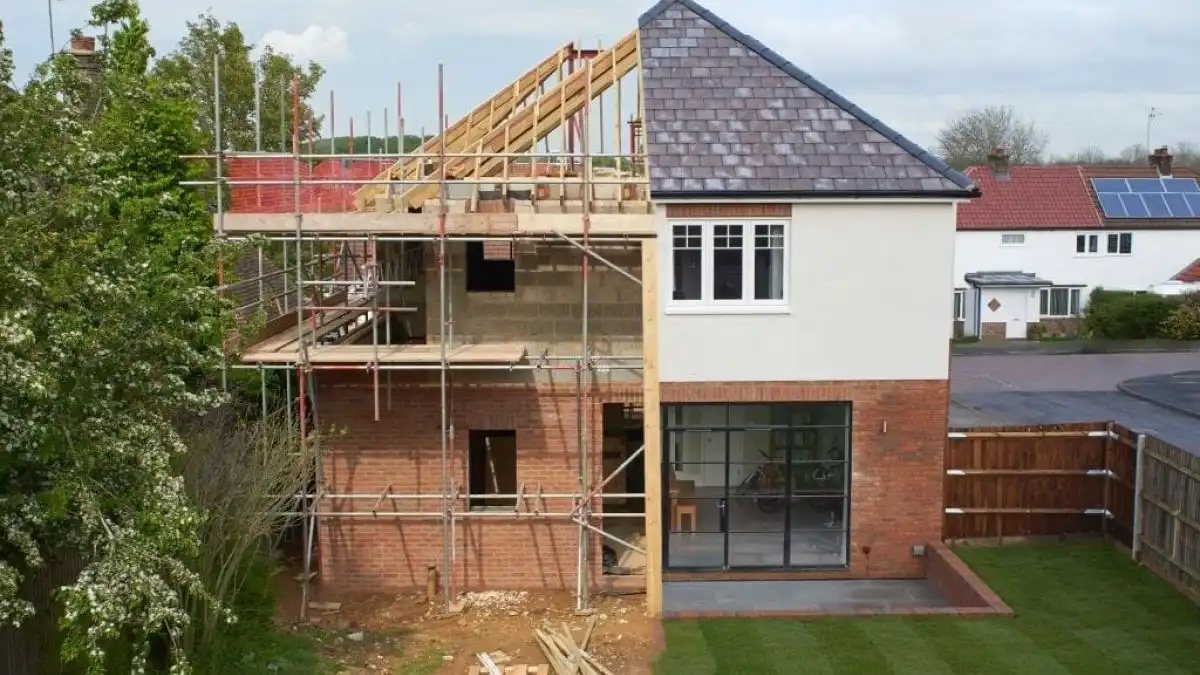
A double storey extension shows this clearly. The complexity of two floors, the structural demands, the planning considerations all create opportunities for expensive mistakes. A good architect navigates these, and the mistakes avoided are worth far more than the fee.
Whether Its Worth It
The cheap option is to skip the architect or hire an unqualified designer. Lower fee. Less invisible work. No professional responsibility. The savings are real and immediate.
The cost of the cheap option appears later. Variations from poor drawings. Refused applications. Problems during construction. Lower value from weaker design. These costs usually exceed the fee saved, often by a wide margin.
The fee is not the place to economise. It is the foundation everything else builds on. A good architect for a fair fee delivers a smoother project, a better result, and a higher value than the cheap alternative. The fee that looks like a lot upfront is usually the best value in the entire project.
Six to eight months from first conversation to completion. The fee reflects work you never see, risk the architect carries, and value that shows up later. Worth paying because what it saves exceeds what it costs.