Paradise with a Sharp Edge
The sun hits different when you’re on two wheels in Southern California. There is a specific kind of freedom you get cruising down the Coast Highway or carving through the twisties out near Julian that you just can’t replicate in a cage. The air smells like salt and sagebrush. The engine hums a rhythm that settles into your bones. It is the reason people ride here. San Diego is practically built for it, with the year-round riding weather and the scenic routes that stretch from the border up to Oceanside.
But that paradise has a sharp edge. The traffic here is relentless, and the roads are shared with drivers who are more interested in their lattes or their touchscreens than the rider in the lane next to them. You know the drill. You keep your head on a swivel. You anticipate the merge before the blinker even flashes. You ride like everyone is out to get you because, statistically speaking, they kind of are.
The Immediate Aftermath of a Crash
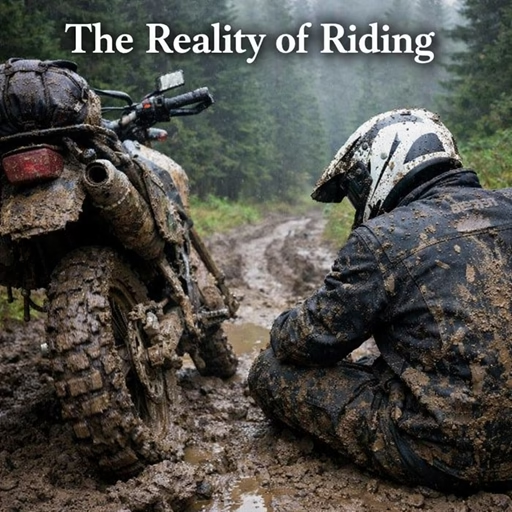
When things go sideways, they happen fast. One minute you are enjoying the ride, and the next, you are staring at the asphalt or the ceiling of an ambulance. The chaos that follows a wreck is something no safety course truly prepares you for. It is not just about the road rash or the broken bones. It is the immediate onslaught of questions, the police reports, the tow trucks, and the realization that your bike might be totaled.
Navigating the aftermath is where things get tricky. The adrenaline wears off, and the reality of medical bills and insurance claims sets in. This is usually the point where clarity becomes your most valuable asset. You might think the insurance company is there to help, but their primary goal is to protect their bottom line. They look for ways to pin the blame on you. They will say you were speeding. They will say you were lane splitting recklessly, even though it is legal in California.
Overcoming Insurance Adjuster Bias
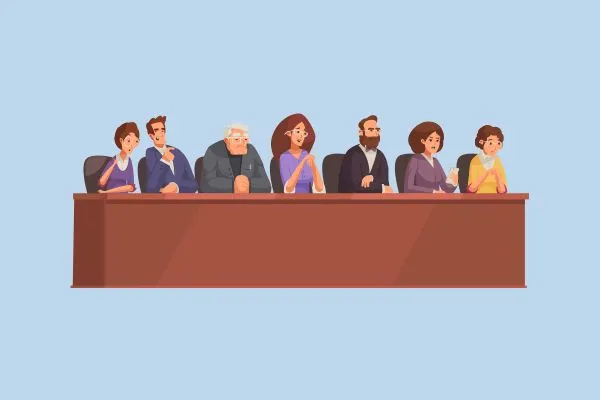
This is why having the right support system matters. You need someone who understands the specific dynamics of local traffic laws and the bias riders face from juries and adjusters. Finding a skilled San Diego motorcycle accident lawyer can change the trajectory of your recovery. They act as a shield between you and the adjusters who want to lowball your claim. Instead of fighting for fair compensation on your own while you are trying to heal, you have a professional handling the legal battles. It allows you to focus on what actually matters, which is getting back on your feet.
Lane Splitting and the Blame Game
Lane splitting is a huge topic of contention here. California is unique in allowing it, but that doesn’t mean drivers respect it. You could be filtering through traffic on the I-5 during rush hour, doing everything right, and a sedan will still cut you off without looking. The law might be on your side, yet the public perception is often against the rider. People in cars see a motorcycle passing them, and they get frustrated. They don’t see the safety benefit of reducing congestion or keeping riders from being rear-ended. They just see someone “cutting the line.”
That bias bleeds into accident reports. If a witness says you were “flying” or “weaving,” it sticks. Even if you were doing the speed limit. A solid legal strategy involves pulling traffic camera footage, analyzing skid marks, and getting expert testimony to prove that you were riding safely. It is about reconstructing the narrative with facts rather than letting assumptions dictate the outcome.
The Long Road to Physical Recovery
Then there is the physical toll. Injuries from these crashes are rarely minor. We are talking about road rash that takes months to heal, fractures that require hardware, and head injuries that can alter your personality or cognitive function. The helmet law in California saves lives, absolutely, but it doesn’t make you invincible. A traumatic brain injury can happen even with the best gear money can buy.
Recovery becomes a full-time job. You might be visiting specialists for weeks. Physical therapy becomes your new routine. It is grueling work, trying to regain range of motion in a shoulder or learning to walk without a limp. Many riders find themselves looking for additional ways to manage pain and speed up the healing process. You might start researching what is massage therapy and how soft tissue work can help break up scar tissue after the initial wounds have closed. Holistic approaches often complement traditional medicine, helping to address the stiffness and chronic aches that linger long after the cast comes off.
Counting the Financial Cost
The financial strain is another layer of stress. Ambulance rides aren’t cheap. Neither is an overnight stay at Scripps or UCSD Medical Center. If you can’t work because both your arms are in slings, the bills stack up terrifyingly fast. Lost wages are a massive component of these claims. It is not just about being reimbursed for the bike. It is about keeping the lights on at home while you are unable to earn a paycheck.
You also have to consider the long-term impact. Some injuries don’t heal 100 percent. Maybe you can’t lift heavy objects anymore. Maybe you can’t stand for long periods. These limitations affect your future earning potential. A quick settlement check from an insurance company rarely accounts for twenty years of lost income or future surgeries. They want you to sign a release and go away. Once you sign that paper, you can’t go back and ask for more money when you realize your knee needs a replacement in five years.
Defensive Riding in America’s Finest City
Riding in San Diego requires a specific mindset. You have to be defensive but confident. You watch the front wheels of the cars at the intersection. If they turn even an inch, you react. You stay out of blind spots. You avoid the 805 during the darkest parts of the commute if you can help it. But you can’t control everything. Sometimes, a tourist looking at the ocean drifts into your lane on the 101. Sometimes, a delivery driver pulls a U-turn right in front of you.
When that happens, the system is designed to be confusing. You have deadlines to file claims. You have statutes of limitations. Evidence disappears. Witnesses move away or forget what they saw. Skid marks fade. The sooner you get the investigation started, the better your chances of securing the evidence you need. Waiting around hoping the insurance company will “do the right thing” is a strategy that rarely pays off.
It is also worth noting that the riding community here is tight. When a rider goes down, people rally. But legal advice from your buddy who had a crash ten years ago might not be relevant to your situation today. Laws change. Insurance policies change. Every crash has unique variables. Was there a defect in the road? Was the other driver working for a rideshare company? These details matter. They change who is liable and how much coverage is available.
Navigating Complex Liability
Rideshare accidents are particularly messy. You have the driver’s personal insurance, the company’s commercial policy, and potentially your own uninsured motorist coverage all in the mix. Figuring out which policy pays first is a headache you don’t need when you are on painkillers.
The goal is to get back to riding. For most of us, it is not a question of if, but when. The bike can be replaced. Gear can be bought. But your health is the one thing you can’t just order from a catalogue. Taking the time to heal properly is essential. Rushing back into the saddle before your body is ready can lead to more issues down the road.
Safety gear has come a long way. Airbag vests are becoming more common, and they offer a level of protection we didn’t have a decade ago. High-tech fabrics are lighter and more abrasion-resistant than old-school leather. But no amount of tech can stop a distracted driver from running a red light. That is the risk we accept every time we turn the key.
If you ride in San Diego, you accept that risk for the reward of the ride. The view from the Cabrillo National Monument. The winding tarmac of Highland Valley Road. It is worth it. But being prepared for the worst-case scenario is just part of being a smart rider. You wear the gear. You maintain the bike. And you know who to call if the unthinkable happens.
Don’t let the fear of a crash keep you parked, but don’t ignore the reality of it either. Be seen. Be safe. And if you do end up sliding down the tarmac, make sure you have someone in your corner who knows how to fight for you. The road is yours to enjoy, but protecting your rights is just as important as protecting your head. Keep the rubber side down and enjoy the ride for what it is. A beautiful, dangerous, incredible privilege.