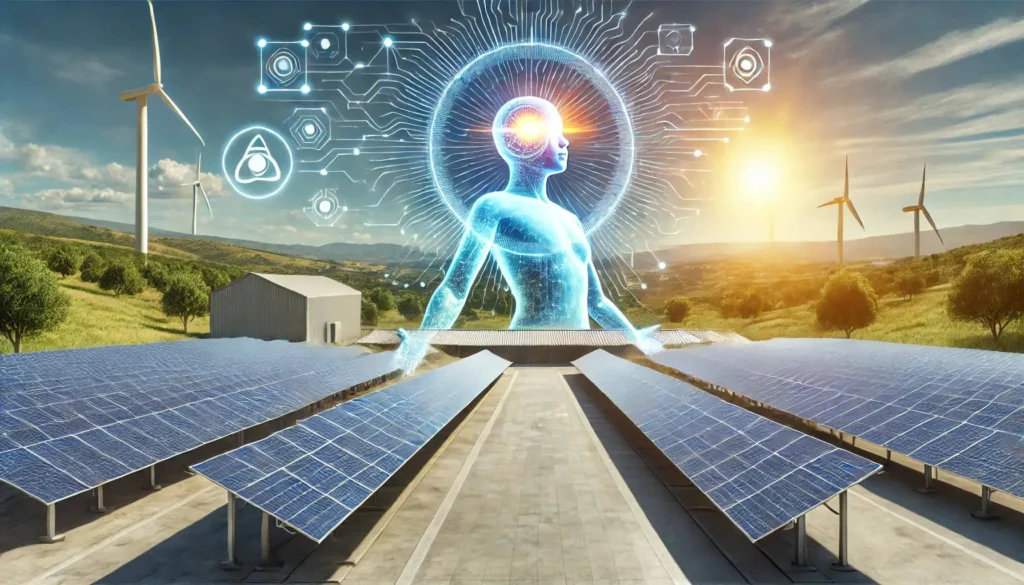
Australia’s solar sector is growing fast. As more homes and businesses turn to renewable energy, the demand for smarter, more efficient systems has never been greater. Australian Solar Installation companies are now integrating artificial intelligence into their operations—reshaping how solar energy is monitored, maintained, and distributed. From rooftop setups to large commercial arrays, AI is quietly becoming the backbone of modern solar management.
AI-Driven Efficiency: Getting More From Every Panel
Solar panels don’t always perform at their peak. Cloud cover, panel orientation, dust buildup, and seasonal changes all affect energy output. This is where machine learning earns its place.
AI systems continuously analyze data from individual panels, tracking performance in real time and adjusting system behavior to maximize yield. For residents relying on Solar Panels On Hope Island, where subtropical weather patterns can be unpredictable, this kind of dynamic optimization makes a measurable difference. Instead of accepting energy losses as unavoidable, AI identifies exactly when and why output drops—and responds accordingly.
The result? Homeowners and businesses get more value from their investment, and Australian Solar Installation providers can deliver better outcomes with greater confidence.
Predictive Maintenance: Fixing Problems Before They Happen
Traditional maintenance is reactive. Something breaks, someone notices, a technician is called. That cycle costs time and money.
AI flips this model entirely. By continuously monitoring system data—voltage fluctuations, temperature anomalies, inverter behavior—predictive algorithms can flag potential failures days or even weeks before they occur. For residential Solar Panels On Hope Island installations, this means fewer unexpected outages and longer system lifespans.
Commercial setups benefit even more. A large solar array going offline mid-summer can mean significant financial losses. AI-driven maintenance scheduling reduces that risk, ensuring technicians are dispatched proactively rather than in response to a crisis. Australian Solar Installation companies that adopt these tools are already seeing reductions in maintenance costs and improvements in system reliability.
Grid Management: Balancing Energy Across Australia
Managing the electricity grid is a complex balancing act. Too much energy fed in at once can cause instability. Too little during peak demand can lead to outages. AI helps strike the right balance.
Intelligent software monitors energy loads across the grid in real time, predicting demand surges and adjusting how energy from solar sources is distributed. During peak afternoon hours—when Australian households crank up air conditioning—AI systems can prioritize solar energy delivery where it’s needed most.
This is particularly relevant as Australian Solar Installation continues to scale. The more solar capacity connected to the grid, the more critical smart management becomes. AI doesn’t just respond to grid conditions; it anticipates them, creating a more stable and resilient energy network for communities across the country.
Conclusion
AI and solar energy are a natural partnership. One generates clean, renewable power—the other ensures that power is used as intelligently as possible.
As Solar Panels On Hope Island and similar installations multiply across the country, the role of AI will only grow. Smarter systems will learn from larger datasets, predictive models will become more accurate, and grid management will become increasingly automated. Australian Solar Installation is no longer just about putting panels on rooftops—it’s about building an intelligent energy ecosystem that adapts, improves, and scales with the communities it serves.