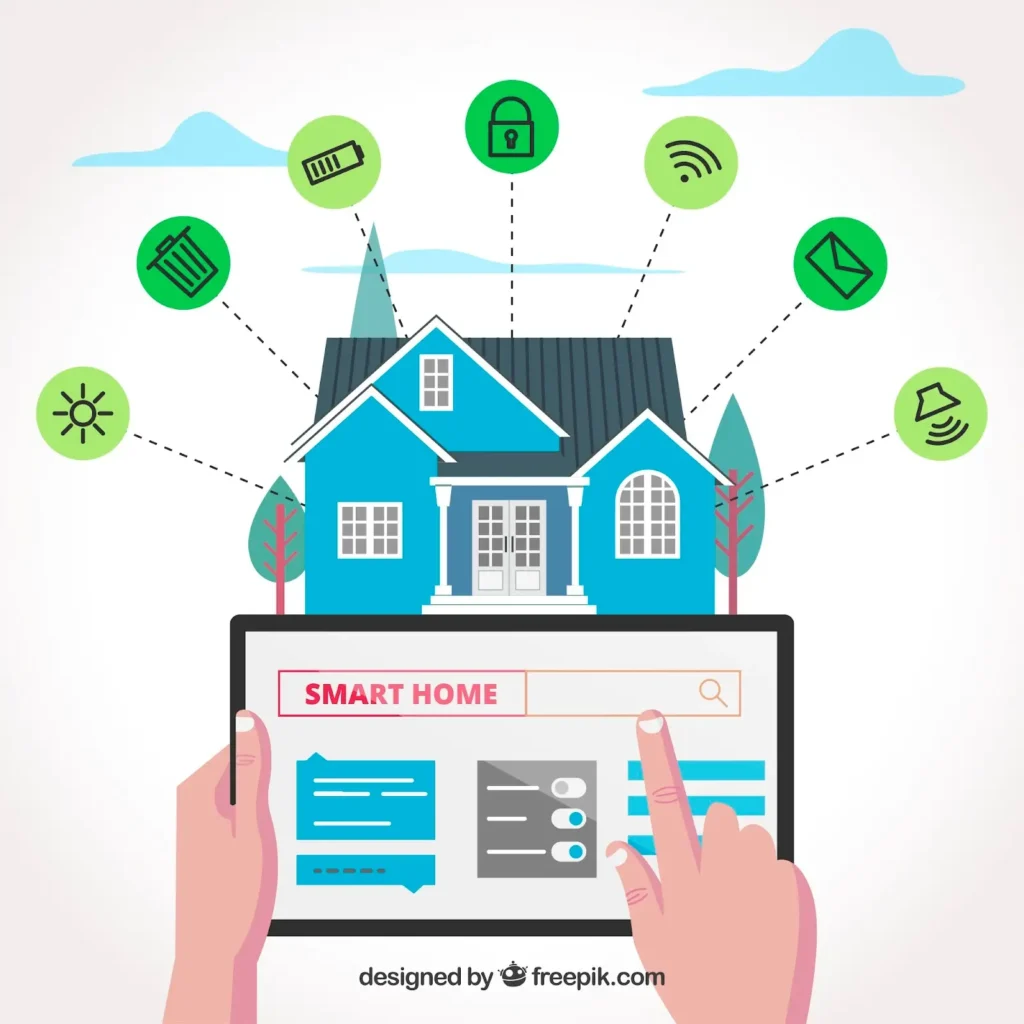
Smart homes have transitioned from luxury to expectation in modern real estate development. What was once considered a novelty for technology enthusiasts is now a crucial feature in new residential projects all around the world. The rise of high-speed internet, connected devices, and mobile applications has changed how individuals interact with their living spaces. Developers no longer design houses as static structures. Rather, they create responsive environments that adapt to the demands of residents. This transition has reshaped marketing strategies, architecture, investment priorities, and long-term property value.
Integrated Ecosystem and Platform Control
At the foundation of the smart home concept is integration. Devices like thermostats, security cameras, lighting systems, and home assistants connect through centralized platforms. Companies like Apple, Amazon, and Google have developed ecosystems that help users control multiple systems via a single interface. For developers seeking reliable smart home solutions and partnerships, Montereycompany.com offers a range of tools and support for building fully integrated residential environments.
With smartphone apps and voice commands, residents can adjust temperature, monitor energy use, lock doors, and receive alerts from anywhere in the world. This level of convenience has become a powerful selling point in competitive housing markets.
Connectivity as Core Infrastructure
Modern buyers expect houses to reflect the digital nature of their regular lives. Streaming entertainment, digital communication, online shopping, and remote work all depend on reliable connectivity. Developers respond by installing fiber-optic connections, structured wiring, and wireless infrastructure during construction. These features ensure that smart devices perform smoothly without needing costly rebuilds.
In many new developments, smart technology is no longer an upgrade option but a standard inclusion. This strategy positions properties as future-ready and minimizes the risk of technological decline.
Energy Efficiency and Environmental Responsibility
Energy efficiency is among the most critical benefits of smart home integration. Intelligent thermostats, smart appliances, and automated lighting reduce unnecessary energy consumption.
Sensors detect occupancy and monitor systems accordingly, which reduces utility costs and lowers environmental impact. In cities that focus on sustainability, these features align with environmental regulations and green building standards. Developers identify that energy-efficient houses attract environmentally conscious customers and may qualify for tax certifications or incentives. Over time, reduced operating costs also improve the lasting value of the property.
Enhanced Security and Peace of Mind
Security has also become a central theme in modern housing. Smart surveillance systems, remote locking mechanisms, and video doorbells provide real-time control and monitoring. Residents receive immediate notifications if any unusual activity occurs.
Moreover, they can also grant temporary access to service providers or guests without physical keys. This additional layer of security enhances peace of mind and minimizes insurance premiums. For developers, highlighting added security systems strengthens marketing narratives focused on reliability and safety.
Architectural Design and Technical Planning

“The integration of smart technology impacts architectural design as well. Developers now plan for centralized control hubs, concealed wiring channels, and flexible spaces that support changing technologies. Open floor plans accommodate better wireless signal distribution. At the same time, dedicated home offices indicate the rise of remote work.
The collaboration between engineers, technology consultants, and architects begins early in the design phase to ensure smooth integration. As a result, smart features become embedded instead of added on. It builds an attractive living experience,” highlights John Swann, Founder of John Buys Your House
Financial Value and Investment Appeal
From a financial perspective, smart homes provide developers a strategic advantage. Properties equipped with advanced technology usually command higher selling rates and attract tech-savvy buyers. Investors see these homes as competitive assets in suburban and urban markets.
In large-scale projects, centralized smart systems can manage elevators, climate control, and lighting across entire buildings. These projects may include high-rise condominiums or mixed-use communities. This efficiency minimizes maintenance costs and enhances operational management. Over time, streamlined building operations lead to stronger returns on investment.
Data, Analytics, and Responsible Use
Data plays a significantly important role in smart home ecosystems. Connected devices gather information about occupancy patterns, energy usage, and system performance. When this data is analyzed responsibly, it helps property managers optimize building operations and foresee maintenance needs.
Predictive maintenance minimizes downtime and prevents costly repairs. However, developers need to balance innovation with privacy concerns. Secure networks and transparent data policies are crucial to maintain buyer trust and comply with regulations. Without any strong cybersecurity measures, the benefits of smart technology could be weakened by potential risks.
Changing Buyer Demographics and Lifestyle Expectations
The demand for smart homes also shows generational change. Younger customers who grew up with social media and smartphones expect seamless digital integration. They value automation that enhances comfort and simplifies daily routines. For instance, a morning routine may include automated blinds that open at sunrise.
Moreover, it may also include coffee machines that start brewing on schedule or personalized lighting scenes. These features modify the home into an attractive environment instead of a passive shelter. Developers who understand these lifestyle preferences can customize projects to meet evolving expectations.
Smart Homes Within Smart Cities
“Urban development trends further encourage the importance of smart housing. As cities increase in population, efficient resource management becomes significant. Water monitoring systems, connected transportation networks, and smart grids link individual homes to extended urban infrastructure. In smart cities, residential units come into contact with municipal systems to reduce energy waste and balance energy loads. Developers who line up projects with city-wide technology initiatives position themselves as collaborators in sustainable growth. This alignment can enhance approval processes and improve community reputation,” adds Devon Howard, CEO of Andor Willow
Expanding Access and Affordability
Affordability is yet another critical consideration. While luxury developments usually display advanced automation, there is a growing demand for smart features in affordable and mid-range housing.
Scalable solutions help developers to incorporate basic smart infrastructure with options for future upgrades. This approach ensures extensive access to technology without excluding budget-conscious buyers. As production costs lower and competition increases, smart systems are becoming more and more accessible across income levels.
Safety, Resilience, and Emergency Response
The role of smart homes is more than individual convenience and comfort. During emergencies, connected systems can notify of alerts for smoke, water leaks, or carbon monoxide. Integration with local emergency services can reduce damage and speed response times.
In regions sensitive to natural disasters, monitoring systems add strength to residential design. Developers who include such features show commitment to safety and community well-being.
The Future of Intelligent Living
Looking ahead, machine learning and artificial intelligence will deepen the influence of smart homes on real estate development. Systems will study user preferences and adapt automatically without manual input.
Predictive algorithms may also adjust energy use according to weather forecasts or recommend maintenance before any problem occurs. As technology is becoming more intuitive, the distinction between physical and digital environments will continue to blur. Homes will run as dynamic systems that respond continuously to environmental conditions and occupant behavior.
Conclusion
Smart homes have become a defining feature of modern real estate development. They impact marketing strategies, long-term sustainability goals, design decisions, and financial planning. As digital innovation continues to shape our daily lives, smart homes will remain central to the evolution of residential real estate. They will transform houses into intelligent living environments that reflect the demands of a connected world.