The ketogenic weight loss plan has become one of the most famous health trends in current years, praised for its capability to guide weight reduction, improve power stages, and beautify intellectual readability. However, even as many humans jump into keto with enthusiasm, just a few apprehend its difficult stability of macronutrients and the subject it requires. As a result, infinite individuals make errors that prevent them from accomplishing the full blessings of ketosis. If you’ve been on keto for weeks however haven’t seen the favored effects—or you’re considering starting—it’s vital to apprehend the maximum not unusual keto weight-reduction plan errors and the way to repair them effectively.
Let’s dive deep into the pinnacle keto weight loss plan errors and find sensible solutions to help you be successful in your ketogenic adventure.
1. Not Eating Enough Fat
One of the largest misconceptions about the keto weight loss plan is that it’s an excessive-protein plan. In fact, keto is excessive-fat, moderate-protein, and coffee-carb. The aim is to educate your body to burn fat for gas instead of carbohydrates. However, many people still worry about fat and end up ingesting too little of it.
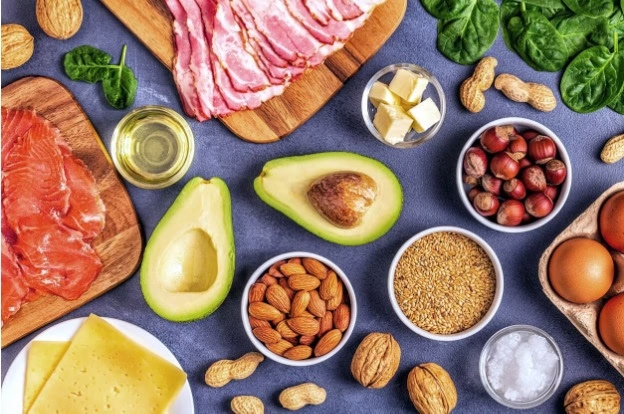
If your fat consumption is too low, your frame won’t have enough power to sustain ketosis. You can also revel in fatigue, irritability, or mind fog—regularly improper for “keto flu.” To restore this, grow your intake of healthful fats including avocados, olive oil, fatty fish, nuts, seeds, and coconut oil. Remember: fats aren’t always the enemy on keto; it’s your number one energy supply.
2. Ignoring Electrolytes and Hydration
Transitioning to keto changes how your frame strategies electrolytes like sodium, potassium, and magnesium. As carbohydrate consumption drops, insulin ranges fall, and the kidneys excrete more water and electrolytes. This regularly ends in dehydration and symptoms like complications, muscle cramps, and fatigue—generally called the “keto flu.”
Balancing electrolytes is simply as critical as counting carbs. Drink lots of water and encompass sources of electrolytes along with bone broth, spinach, avocado, and nuts. You can also not forget electrolyte dietary supplements at some stage in the first few weeks of your keto adaptation.
Interestingly, some humans report advanced energy and stamina when they stabilize hydration well—that is also why life-style optimization products like Vidalista have emerged as famous for people searching for better overall performance and staying power. Staying hydrated and maintaining electrolyte stability can clearly decorate your vitality, each mentally and bodily.
3. Eating Too Much Protein
A common keto mistake is overeating protein, assuming it will help preserve muscle and increase satiety. While protein is vital, eating an excessive amount can truly kick you out of ketosis. This happens because excess protein can be transformed into glucose via a technique known as gluconeogenesis, which raises blood sugar and decreases ketone production.
To stay in ketosis, intention for mild protein intake—typically 20–25% of your overall calories. Choose terrific sources which include eggs, grass-fed meat, and fatty fish. Monitoring your macronutrients is fundamental to staying on course.
If you find yourself suffering to hold stability, the usage of tracking apps or running with a nutritionist can help. Similarly, retaining the proper metabolic stability can also support usual fitness in different regions. For instance, supplements along with Vidalista 40 have been mentioned in the wellness network for his or her potential to improve blood float and performance, showing that right vitamins and balanced body chemistry are interconnected.
4. Forgetting About Micronutrients
While keto focuses heavily on macronutrients—fats, proteins, and carbs—micronutrients often get overlooked. Eliminating many fruits, grains, and starchy veggies can result in deficiencies in vitamins and minerals like nutrition C, potassium, and magnesium.
To avoid these deficiencies, encompass a wide sort of low-carb greens like leafy greens, zucchini, broccoli, and cauliflower for your meals. You can also upload herbs, seeds, and nuts to diversify your micronutrient intake. Taking a splendid multivitamin can further help ensure you’re masking your dietary bases.
 5. Not Tracking Carbs Properly
Carbs sneak into extra ingredients than you would possibly anticipate—specifically processed or “keto-pleasant” merchandise. Sauces, dressings, nuts, or even dairy can incorporate hidden carbs that stall your development. Many people unknowingly eat too many carbs and by no means input or keep ketosis.
To repair this, track your carb intake cautiously, especially within the starting. Aim to stay beneath 20–50 grams of internet carbs in line with day (internet carbs = overall carbs – fiber). Read labels and opt for whole, unprocessed meals on every occasion feasible.
6. Eating Too Many “Keto Snacks”
The keto food industry has exploded, imparting everything from cookies and protein bars to chips and sweets classified as “low-carb.” However, many of those merchandise incorporate artificial sweeteners, hidden sugars, or processed components which could stall weight loss and affect gut fitness.
While it’s ok to indulge every now and then, make whole, real ingredients the cornerstone of your food plan. Focus on avocados, eggs, meats, and vegetables, and use keto snacks as a backup in preference to an every day staple.
7. Not Getting Enough Fiber
Since keto restricts maximum fruits and grains, fiber intake often drops appreciably. This can cause digestive problems along with constipation and bloating. Fiber is critical for wholesome digestion, gut bacteria balance, and lengthy-term metabolic fitness.
Include fiber-wealthy, low-carb ingredients like chia seeds, flaxseeds, leafy greens, and avocados. You can also use psyllium husk or fiber supplements to live everyday. A healthy intestine promotes higher average well-being, making it less complicated to preserve the keto life-style for a long time.
8. Expecting Instant Results
The keto eating regimen is robust, however it’s not a magic switch. It takes time in your body to adapt to the usage of fat as its primary gasoline supply. Some people can also see outcomes in some weeks, while others may take some months.
Consistency is key—stick with your plan, display your progress, and be patient. Rapid weight loss inside the first week is regularly due to water loss, not fat loss. Sustainable fat burning and intellectual clarity broaden regularly.
9. Not Listening to Your Body
Everyone’s metabolism, way of life, and health desires are one-of-a-kind. Some thrive on a strict keto eating regimen, while others feel higher with a cyclical or targeted keto method. If you continuously sense tiredness, irritability, or sluggishness, your body might be signaling an imbalance.
Experiment inside keto parameters, and don’t be afraid to alter. Remember, the nice food plan is one which’s sustainable and makes you feel accurate bodily and mentally.
10. Neglecting Sleep and Stress Management
Even with the best keto weight loss program, terrible sleep and persistent strain can sabotage your outcomes. High cortisol tiers (the pressure hormone) boosts blood sugar, which may interfere with ketosis and fat burning. Moreover, inadequate relaxation leads to cravings and reduced strength of will.
Prioritize as a minimum 7–8 hours of quality sleep and have interaction in pressure-reducing activities like yoga, meditation, or deep breathing. Managing strain is equally essential as dealing with carbs.
11. Not Planning Meals Ahead
Keto requires field and preparation. Without meal planning, it’s smooth to slip again into high-carb convenience ingredients. Planning your food guarantees you’ve got keto-friendly options available, helping you resist temptation and live consistently.
Batch cooking, prepping keto snacks, and maintaining wholesome fat handy could make all of the distinction on your success.
Final Thoughts
The ketogenic weight-reduction plan may be particularly profitable when accomplished efficiently. It facilitates fat loss, strength, and recognition, but handiest in case you apprehend the way to balance your macronutrients and keep away from common pitfalls. From ingesting an excessive amount of protein to ignoring hydration, every mistake can slow your progress or make keto unnecessarily tough.
By recognizing and correcting those top keto food plan mistakes, you set yourself up for sustainable outcomes and progressed well-being. Remember, keto is not a brief-term food plan—it’s a metabolic transformation. With patience, consciousness, and consistency, you’ll enjoy the actual benefits of living a low-carb, excessive-fat life-style.