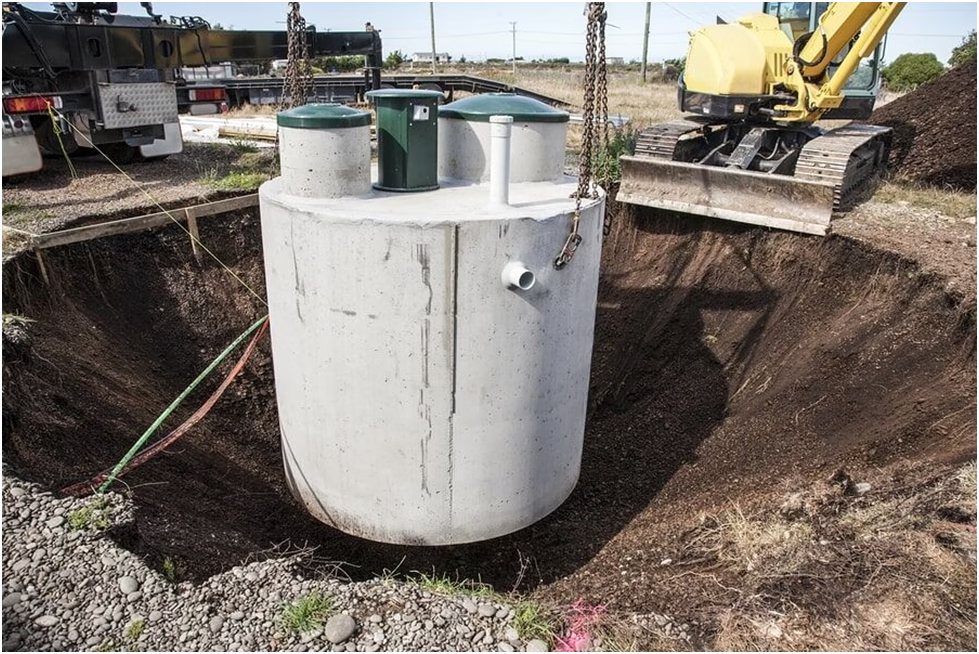
Every home that is not linked to a municipal sewer system must have a functioning septic tank. Nevertheless, most of the homeowners do not consider their septic systems until they fail to perform their duties, and when it happens, the effects are not only expensive but also unpleasant. Being aware of the initial symptoms of septic tank complications will enable you to resolve the problem before it spirals into an emergency that will cost you a fortune in the repairs or total replacement of the system. This knowledge can save your property, health, and family because of these vital indicators.
Slow Drains and Gurgling Noises
Slow drainage in the entire house is one of the first indicators that your septic tank is in need of some attention. The slow speed of the sinks, bathtubs as well as toilets to flush, is a common sign of a full tank. Another thing that you could hear is gurgling in your plumbing the gurges are caused by the formation of bubbles of air when the system is not able to cope with the flow of wastewater.
Although one slow drainage will mean that it may be a localized clog, several slow drains across the house will point towards a larger septic system problem. These warning signs will provide you with time to organize professional inspection and pumping before the problem aggravates.
Unpleasant Odors
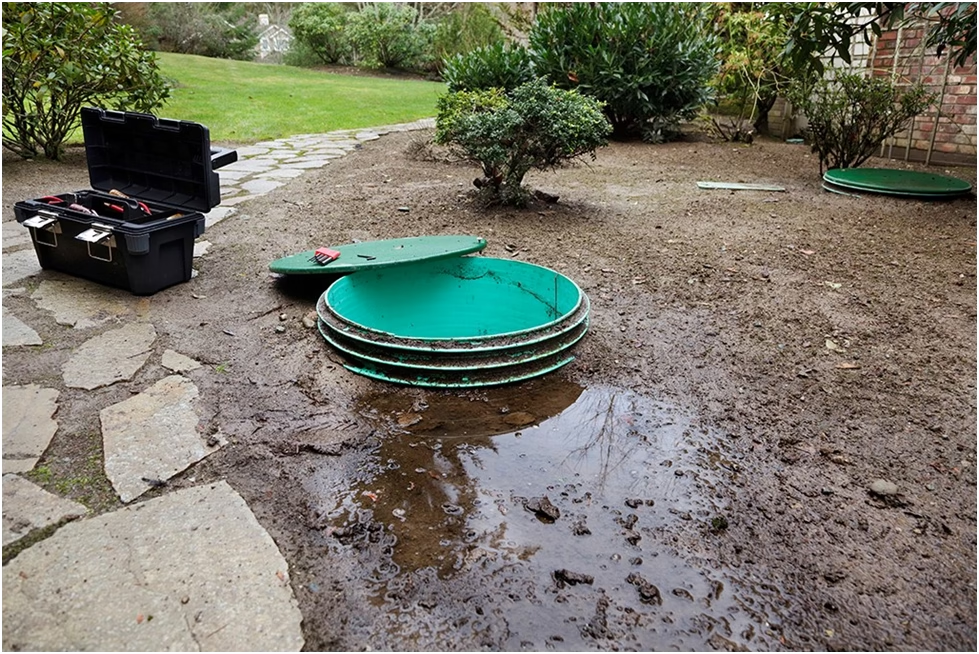
Bad smells, especially those that are like sewage or rotten eggs are clear indications of troubles in the septic system. These smells can either be in your house around the drains or out of the house around the area of the septic tank and drain field. Septic tanks cannot hold and handle wastes appropriately when they are full or faulty, and in such situations, the odors may leak to your houses or home yard.
A trained septic cleaner in Miami such as the one found in Alligator Septic would be able to diagnose the cause of the odors caused by a tank that needs to be pumped or an underlying problem of a failed drain field. Such professionals possess professional knowledge and equipment to deal with the problem in the most appropriate and safe way to avoid health risks and property losses.
Filling Up Pools or Damp Places in Your Lawn
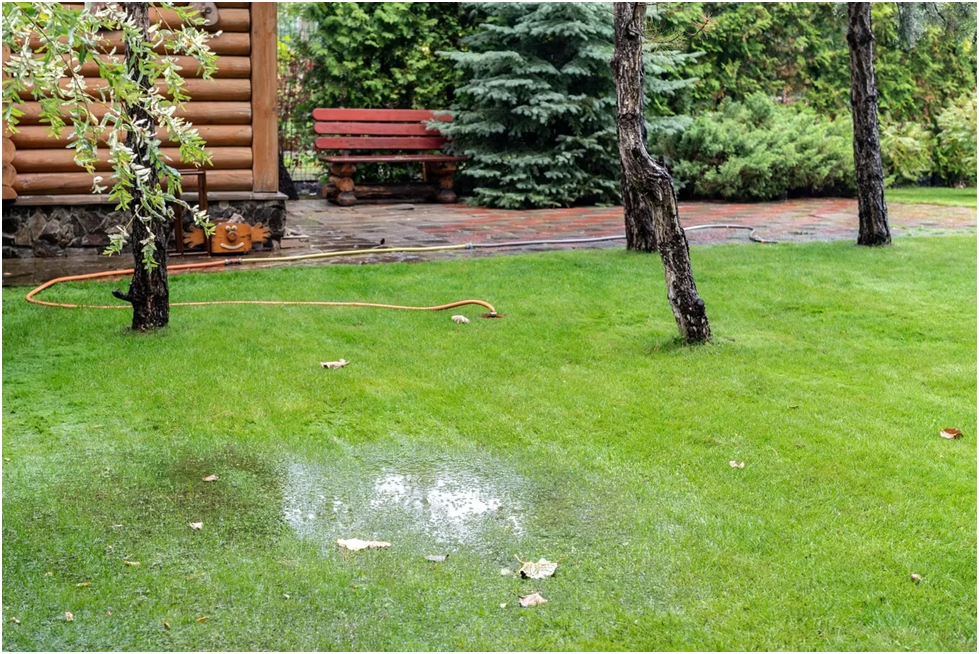
Clearly visible water in your yard, stoddy spots in your yard, particularly around the septic tank or drain field is a sign of severe problems in your system. Such damp grounds indicate that you are experiencing overflow of your septic tank and the effluent is affecting the soil surrounding your premises. In dry weather, wet soil is especially alarming since it signifies unnatural drainage on a constant basis.
Unnaturally green grass on the area of drain field is also a warning as excessive nutrients found in the effluent of the sewage are good growing conditions. Be aware of how your yard looks like because these visual signs tend to be forewarners to other warning signs.
Sewage Backup Into the Home
The worst caution is the sewage reversing into your house via toilets, sinks, bathtubs or showers. This is an emergency to come out and show your tank is at risk of being over full or grossly clogged, and the wastewater cannot pass through the system appropriately. Sewage overflows are very dangerous to the health of the people because of contact with dangerous bacteria and viruses.
Should a sewage backup seize your house, be sure to shut off all the water in your house immediately and call a professional septic service. This state of affairs must be addressed in the emergency.
Repeating Blockages That Need to be Plunged
You will know your septic tank is full when you keep on using a plunger to remove clogs or when you are constantly calling a plumber. A constant plugging in your house is an indication that the solid waste is building up in the tank and as such, there will be no effective water flow through the system.
Conclusion
When performed in time, septic tanks are cheap to clean and maintain. Every two to three years of pumping, plus observance of these red flags, will eliminate system malfunctioning and guarantee the value of your home and the well-being of your family. Professional inspection and pumping are necessary investments at the initial indication of issues. Being able to notice the signs of the problem and operate in time, the homeowners can prevent the emergencies and high costs of fixing the system and health risks because of the collapse of the septic system.