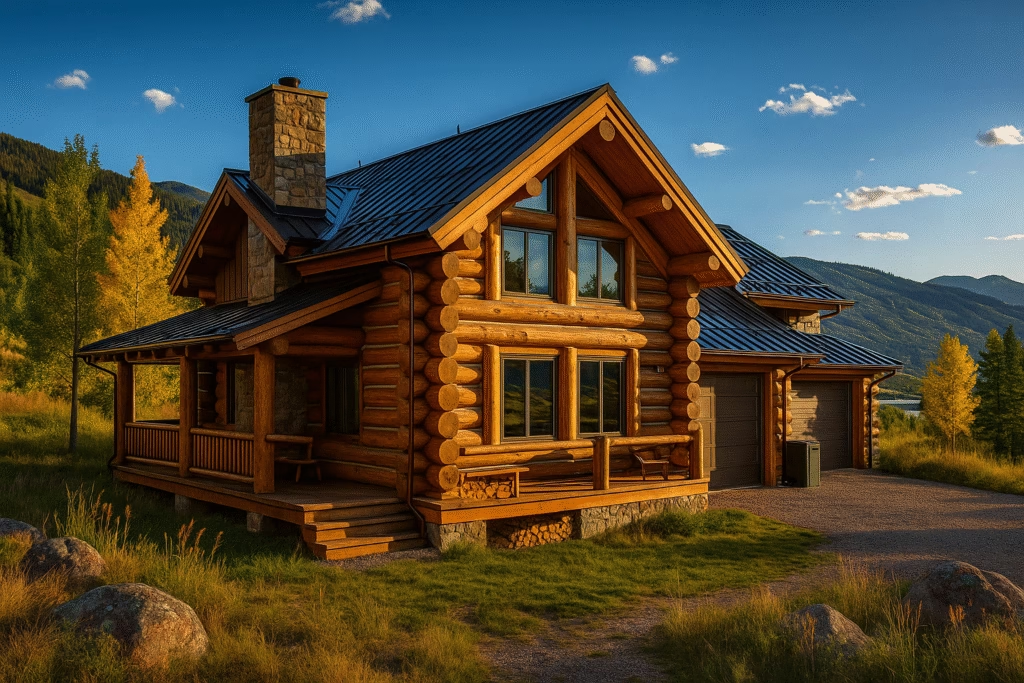
When it comes to creating the perfect living space, home design plays a pivotal role in shaping both the aesthetics and functionality of your house. Whether you’re building from scratch or renovating an existing property, understanding the fundamental elements of home design is essential. One common question that often arises during the planning stage is, How high is a standard house? This seemingly simple query impacts everything from architectural style and interior design to comfort and compliance with building regulations.
In this article, we’ll explore the nuances of home design, focusing on standard house heights and how they influence your living environment. Plus, we’ll share expert tips to help you make informed decisions for your next home project.
What Is Home Design?
Home design is the art and science of creating living spaces that reflect the homeowner’s personality while ensuring comfort, usability, and style. It encompasses everything from floor plans, room layouts, lighting, and materials to the integration of décor and home improvement elements.
As trends evolve, modern home design blends functionality with aesthetics, incorporating sustainable materials, smart technology, and open-plan concepts. Whether you prefer minimalist, traditional, rustic, or contemporary styles, understanding the foundation of your home’s structure is key.
How High Is a Standard House?
When discussing the height of a standard house, it’s important to consider various factors including ceiling height, number of floors, and local building codes. Here are the key elements:
1. Ceiling Height:
The most critical component of home height from an interior perspective is the ceiling height. The standard ceiling height in most modern homes ranges from 8 to 9 feet (2.4 to 2.7 meters). However, many contemporary homes opt for ceilings as high as 10 to 12 feet to create a sense of spaciousness and luxury.
2. Overall House Height:
The total height of a standard two-story residential house typically ranges between 18 to 25 feet (5.5 to 7.6 meters) from the ground to the roof peak. This depends on roof style, attic space, and foundation type.
3. Local Building Regulations:
Building codes vary by location and dictate the minimum and maximum allowable heights for residential structures. These regulations ensure safety, privacy, and neighborhood harmony. Always consult local authorities or architects to understand restrictions in your area.
Why Does House Height Matter in Home Design?
The height of your home affects multiple aspects of design and living experience:
- Natural Light and Ventilation: Higher ceilings and taller windows allow more natural light and better airflow, enhancing comfort and reducing energy costs.
- Spatial Perception: Taller rooms feel more open and luxurious, while lower ceilings can create a cozier atmosphere.
- Heating and Cooling Efficiency: Larger vertical spaces require more energy to heat or cool, so it’s important to balance ceiling height with insulation and HVAC systems.
- Furniture and Décor Choices: Ceiling height determines the scale of furniture, lighting fixtures, and decorative elements you can use.
Tips for Designing Your Home with Optimal Height
If you’re planning a new build or renovation, consider these tips to make the most of your home’s height:
- Choose the Right Ceiling Height for Each Room: Living rooms and bedrooms often benefit from higher ceilings, while utility rooms and bathrooms can have standard or lower ceilings.
- Use Vertical Design Elements: Tall shelves, floor-to-ceiling curtains, and elongated artwork emphasize height and add elegance.
- Incorporate Loft or Mezzanine Spaces: These can maximize vertical space for extra storage or living areas without expanding the footprint.
- Consider Energy Efficiency: Pair higher ceilings with proper insulation, ceiling fans, and energy-efficient windows to maintain comfort year-round.
- Plan for Lighting: Higher ceilings allow for statement chandeliers and pendant lights, but ensure you have accessible fixtures for maintenance.
Trends in Home Design Related to Height
Modern home design trends are shifting towards creating flexible, comfortable spaces, and height plays a big role:
- Open-Plan Living: Combining kitchen, dining, and living areas under a high ceiling creates an airy, communal atmosphere.
- Vaulted and Cathedral Ceilings: These architectural features add drama and character to homes, often found in contemporary and rustic designs.
- Indoor-Outdoor Flow: Taller sliding glass doors and windows blend interior spaces with outdoor patios or gardens.
- Smart Home Integration: Homes designed with height in mind can better accommodate technology like automated blinds and advanced lighting systems.
Conclusion
Understanding “how high is a standard house” is more than just a measurement—it’s a crucial part of home design that shapes your daily living experience. From ceiling heights to overall structure, the dimensions impact everything from comfort to style and efficiency.
For those seeking inspiration and expert advice on home design, décor, and home improvement tips, homecomfortexperts.co.uk is a fantastic resource. Home Comfort Experts offers innovative ideas and practical solutions to help you transform your living space into a dream home that blends beauty with functionality.
Whether you’re remodeling or starting fresh, keeping the right home height in mind will ensure your design is both stylish and comfortable for years to come.
If you want to dive deeper into home design concepts or explore more about creating your perfect home, feel free to ask!