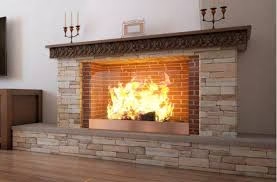
A well-designed hearth serves both functional and decorative purposes. Understanding the different types of materials and designs helps you choose the best style for your home’s layout, heating needs, and aesthetic preferences.
Stone Hearths
Stone remains one of the most traditional and durable hearth materials. It can withstand high temperatures and provides a timeless look suitable for both modern and rustic interiors.
- Granite: A granite hearth slab offers exceptional durability and a polished finish that resists scratches and stains.
- Limestone: This stone brings a softer, lighter tone, ideal for rooms seeking a natural appearance.
- Slate: Known for its textured surface, slate adds depth and variation in color, enhancing visual interest.
Tile Hearths
Tile hearths combine versatility with creative design options. They allow homeowners to experiment with patterns, colors, and finishes while maintaining good heat resistance.
Glazed ceramic tiles are popular for easy cleaning, while porcelain tiles provide excellent strength. Mosaic tiles can introduce intricate designs that complement the overall décor of the fireplace hearth.
Metal Hearths
Metal hearths, though less common, suit contemporary interiors where sleek and minimalist design is desired. Steel and cast iron are the most frequently used metals due to their heat tolerance.
These hearths often pair well with modern stoves, creating a seamless transition between the hearth and the appliance. Regular maintenance helps prevent discoloration or rusting over time.
Concrete Hearths
Concrete provides a modern industrial appearance and can be molded into various shapes. It is especially useful in custom installations where specific dimensions or unique contours are required.
Adding pigments or polishing the surface gives concrete hearths a refined finish. Their substantial weight, however, means proper floor support is essential before installation.
Wooden Hearth Surrounds
While wood is not used directly as a hearth base because it is combustible, it is often selected for the surrounding trim or mantel. The warm tones of wood balance the cold textures of stone or tile and help frame the fireplace visually.
Choosing the Right Hearth for Your Space
Selecting the right material depends on heating equipment, room layout, and personal style. For open fires or high-heat stoves, stone or tile materials are safest. In decorative fireplaces, lighter materials may be suitable.
- For traditional interiors, stone or slate provides authenticity.
- For modern styles, metal or concrete offers clean lines.
- For compact spaces, thin tiled surfaces maintain proportion without bulk.
Installation and Maintenance Considerations
Proper installation ensures safety and longevity. The hearth must extend far enough to protect flooring from sparks or heat. Always check local building standards regarding minimum clearances.
Regular cleaning prevents soot buildup and discoloration. For polished stone, use pH-neutral cleaners to preserve the surface. Re-sealing materials like granite or slate every few years maintains their protective layer.
Balancing Function and Style
The best hearth design unites practicality with visual balance. Whether you prefer the timeless strength of a granite hearth slab or the creative possibilities of tile, each option contributes to the overall atmosphere of the room.
By understanding the characteristics of each material, you can choose a fireplace hearth that meets safety requirements while enhancing the comfort and beauty of your living space.