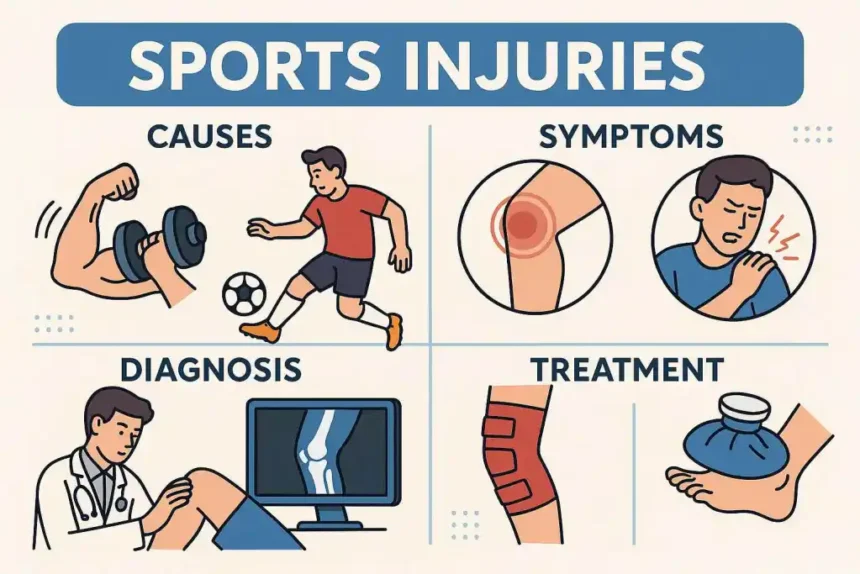
Engaging in sports and physical activity offers a multitude of benefits, ranging from improved cardiovascular health and mental clarity to the development of discipline and teamwork. However, the dynamic nature of athletic competition inherently carries a risk of physical harm. Whether you are a dedicated professional, a student-athlete, or a weekend warrior, a comprehensive understanding of common sports injuries is essential for maintaining longevity in your chosen activity. By recognizing the signs and symptoms early, you can facilitate a more effective recovery and implement strategies to prevent future occurrences.
Soft Tissue Injuries: Sprains and Strains
The most frequent injuries encountered in the sporting world are sprains and strains. While often used interchangeably, they affect different structures. A sprain occurs when ligaments—the fibrous tissues that connect bones—are stretched or torn, typically due to sudden twists or impacts. These often occur in the ankles, wrists, and knees.
Conversely, a strain involves damage to muscles or tendons, which connect muscles to bones. Strains are frequently caused by overexertion, improper lifting techniques, or inadequate warm-ups, commonly affecting the hamstrings and lower back. Symptoms for both typically include localized pain, swelling, bruising, and a limited range of motion in the affected area.
Major Joint and Overuse Injuries
The knee is one of the most vulnerable joints in the body due to its role in supporting weight and facilitating complex movements. Athletes involved in sports that require pivoting, jumping, or sudden stops—such as soccer or basketball—are at high risk for ACL tears, meniscus injuries, and patellar tendinitis. Ignoring persistent knee pain can lead to long-term mobility issues.
Shin splints are another common ailment, particularly for runners and dancers. Characterized by tenderness along the shinbone, they result from repetitive stress on the muscles and connective tissues. If left unaddressed, shin splints can progress to stress fractures, which are small cracks in the bone caused by repetitive force.
Shoulder and ankle injuries also rank high among athletes. Repetitive overhead motions in swimming or throwing can lead to rotator cuff tears or shoulder impingement. Meanwhile, ankle sprains are almost universal in sports involving quick changes in direction or uneven surfaces.
High-Impact Trauma and Concussions
In contact sports like football, hockey, and rugby, high-impact injuries such as fractures and dislocations are more prevalent. A fracture is a break in the bone, while a dislocation occurs when a bone is forced out of its normal position within a joint. Both require immediate medical attention to ensure proper alignment and healing.
Perhaps the most critical injury to monitor is a concussion. A concussion is a traumatic brain injury caused by a blow to the head or body that results in the brain moving rapidly within the skull. Symptoms such as dizziness, confusion, headaches, and nausea may not always appear immediately. Athletes must never return to play until cleared by a medical professional, as repeated concussions can lead to severe long-term cognitive effects.
Effective Prevention and Recovery
While not all injuries can be entirely avoided, the risk can be significantly mitigated through proactive measures. A consistent warm-up of at least 5 to 10 minutes prepares the muscles for activity by increasing blood flow and flexibility. Utilizing proper gear, such as well-fitted shoes and protective pads, provides necessary stability and shock absorption. Furthermore, maintaining correct technique and listening to your body’s warning signs of pain are vital to avoiding overuse conditions. Recovery often begins with the R.I.C.E. method: Rest, Ice, Compression, and Elevation. Rest is paramount to prevent further damage, while ice helps reduce inflammation in the first 48 hours. For more complex issues, a structured rehabilitation program is necessary. Seeking specialized care such as physical therapy in Pleasant Grove can provide a guided plan to restore strength, mobility, and confidence, ensuring you return to the game safely. By prioritizing recovery and preparation, athletes can continue to enjoy the sports they love with reduced risk and improved performance.