Veins do far more than carry blood back to the heart. They support circulation, tissue health, and daily comfort. When veins struggle, the effects often show on the skin or through aching legs and swelling. This article explains vein health, common vein conditions, and how medical care for veins has changed over time. It also explains what patients often experience before, during, and after vein treatment.
- Why Vein Health Matters
- Common Vein Conditions Explained
- How Vein Problems Develop Over Time
- Early Signs People Often Miss
- How Vein Care Has Changed
- Types of Modern Vein Treatments
- A Patient Story
- The Role of Medical Training and Technology
- Questions Patients Often Ask
- Choosing the Right Type of Care
- Steps That Support Vein Health at Home
- Vein Health Across Different Life Stages
- Looking Ahead
Why Vein Health Matters
Veins contain small valves that keep blood moving upward toward the heart. When these valves weaken, blood can pool in the legs. This leads to pressure in the vein walls. Over time, veins stretch and twist.
Poor vein function affects more than appearance. It can cause pain, fatigue, skin changes, and slow-healing wounds. Studies published by the American Heart Association show that chronic vein disease affects millions of adults across many age groups.
Healthy veins support daily movement. They help people stand, walk, and stay active without discomfort.
Common Vein Conditions Explained
Vein disease includes a range of conditions. Some are visible, while others cause symptoms without clear signs.
Varicose Veins
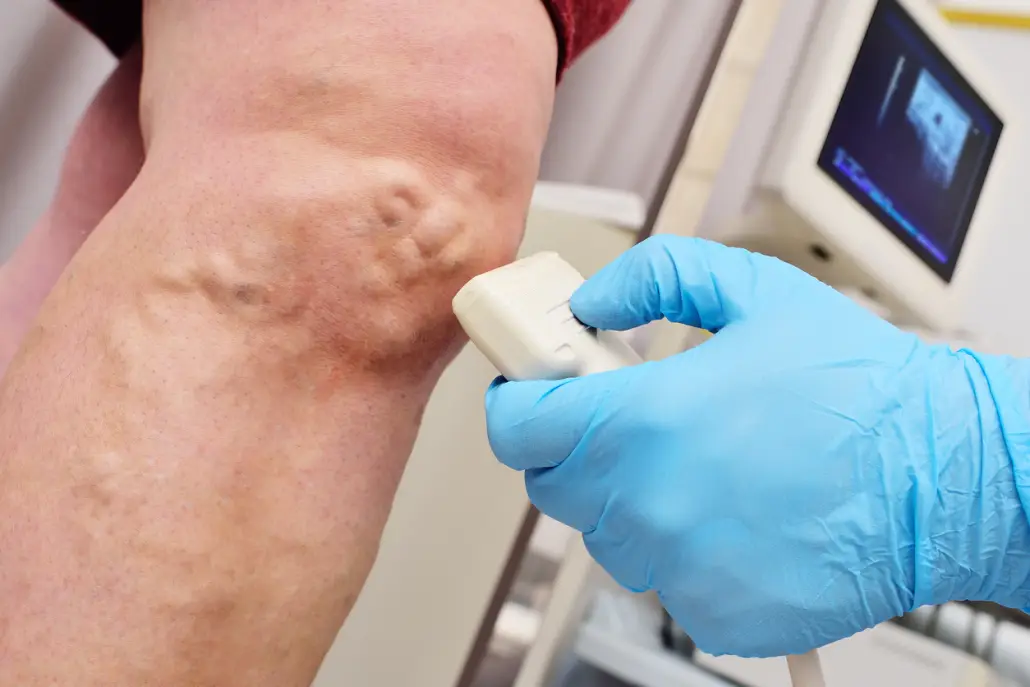
Varicose veins appear swollen and rope-like. They often look blue or purple. These veins form near the skin surface and can feel sore after long periods of standing.
Spider Veins
Spider veins look like thin red or blue lines. They spread in patterns that resemble a web. These veins usually cause cosmetic concern rather than pain.
Chronic Venous Insufficiency
This condition occurs when veins struggle to move blood upward. Symptoms include leg swelling, heaviness, and skin color changes. Medical journals note that untreated cases can lead to ulcers near the ankles.
Blood Clots in Veins
Deep vein thrombosis involves a clot forming in a deeper vein. This condition needs prompt care. Warning signs include sudden swelling, warmth, and pain in one leg.
How Vein Problems Develop Over Time
Vein issues rarely appear overnight. They often build slowly.
Several factors raise risk:
- Family history of vein disease
- Long hours of standing or sitting
- Pregnancy
- Weight changes
- Aging
A large review in The Journal of Vascular Surgery reports that genetics plays a strong role. Lifestyle habits also affect vein strength. Movement helps veins pump blood upward, while stillness allows pooling.
Early Signs People Often Miss
Many people ignore early signs. Mild leg fatigue or ankle swelling may seem minor. These signals often appear at the end of the day.
Other early signs include:
- Restless legs at night
- Skin itching near the ankles
- Leg cramps after activity
Recognizing these signs helps people seek care before symptoms worsen.
How Vein Care Has Changed
Vein treatment once involved hospital stays and large incisions. That approach has shifted.
Modern care uses imaging tools such as ultrasound. This tool shows blood flow in real time. It helps identify valve failure or blocked veins without surgery.
Minimally invasive treatments now take place in outpatient settings. Many patients return to normal routines within days.
Types of Modern Vein Treatments
Today’s treatments focus on closing or rerouting damaged veins. Blood then flows through healthier vessels.
Compression Therapy
Compression stockings apply gentle pressure to the legs. This pressure helps veins move blood upward. Doctors often suggest this step first.
Sclerotherapy
In this method, a solution enters the vein through a small needle. The vein closes and fades over time. This works well for spider veins and small varicose veins.
Endovenous Ablation
This method uses heat from laser or radiofrequency energy. A thin catheter enters the vein and seals it shut. Research shows high success rates with minimal discomfort.
Phlebectomy
This approach removes surface veins through tiny openings. It suits larger varicose veins near the skin.
The table below compares these options:
| Treatment Type | Best For | Recovery Time |
|---|---|---|
| Compression therapy | Early symptoms | Ongoing use |
| Sclerotherapy | Small surface veins | Same day |
| Endovenous ablation | Larger faulty veins | One to two days |
| Phlebectomy | Bulging surface veins | A few days |
A Patient Story
Maria, a retail worker, spent many hours standing. She noticed leg heaviness and swelling after work. Blue veins appeared along her calves. At first, she brushed it off as part of aging.
After a year, discomfort increased. Walking became tiring. An ultrasound exam showed valve failure in one main vein. She received endovenous ablation. Within weeks, swelling reduced and pain eased. Her experience mirrors many cases reported in vein clinics.
The Role of Medical Training and Technology
Doctors who treat veins study vascular medicine and imaging. Ultrasound skills matter greatly. They allow accurate diagnosis and guide treatment.
Dr. Karen Fields, a vascular researcher, notes, “Clear imaging leads to precise care. Precision reduces recovery time and improves comfort.” Her comments appear in a review published by Vascular Medicine.
Technology also tracks outcomes. Digital records help monitor healing and symptom change over months.
Questions Patients Often Ask
People often arrive with similar concerns. Clear answers reduce anxiety.
Is vein treatment painful?
Most modern methods use local numbing. Patients describe mild pressure rather than pain.
Will treated veins return?
Treated veins usually stay closed. New problem veins can form over time, which makes follow-up helpful.
Do lifestyle habits matter after care?
Movement, weight control, and leg elevation support long-term vein health.
Choosing the Right Type of Care
Finding appropriate care involves understanding symptoms and options. People often search for educational resources or medical providers while learning about their condition. Some readers explore material connected to vein specialists Utah as part of that research process, gaining a clearer picture of how vein care works in clinical settings.
Steps That Support Vein Health at Home
Daily habits affect vein function. Small steps add up.
Helpful actions include:
- Walking for short periods across the day
- Avoiding long periods of stillness
- Raising legs while resting
- Wearing compression garments when advised
A study in Circulation shows that regular walking improves blood return from the legs.
Vein Health Across Different Life Stages
Vein concerns appear at various ages. Pregnancy raises pressure in leg veins. Office work increases sitting time. Later adulthood brings natural changes in vein elasticity.
Awareness at each stage supports early action. Early care often means simpler treatment.
Looking Ahead
Research continues to refine vein care. New imaging tools improve accuracy. Less invasive methods continue to replace older approaches. Patient comfort remains a central goal.
People who understand vein health spot changes earlier. They ask informed questions and seek timely care. That awareness supports comfort, mobility, and skin health over the long term.
By learning how veins function, recognizing early signs, and understanding modern treatment paths, readers gain practical knowledge. This foundation supports better decisions and healthier legs for years ahead.