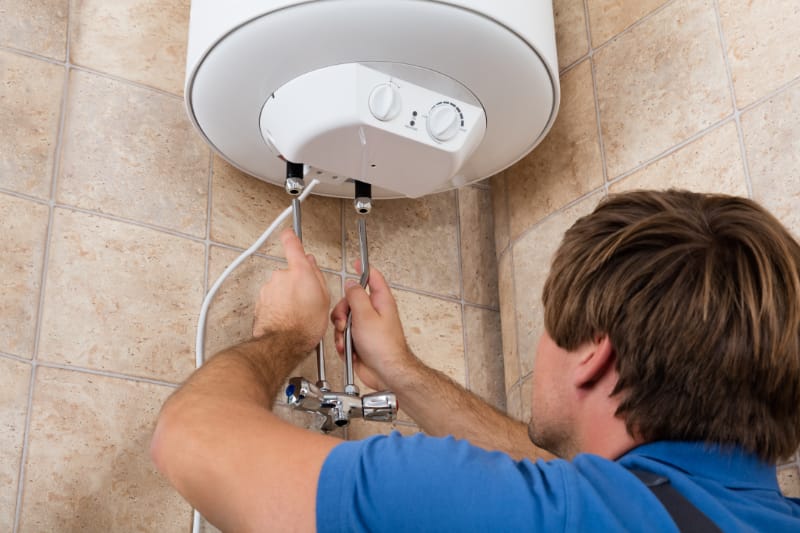
Your home’s water heater is often an unsung hero, providing the comfort and convenience of hot water for showers, dishes, and laundry. But when the time comes for a replacement or a brand-new installation, the process can feel overwhelming, plunging you into a sea of unfamiliar technical terms and conflicting advice. This decision is far more critical than simply picking a box from a shelf; it impacts your daily routine, your energy bill, and the long-term maintenance of your home, which is why a well-informed choice is essential. We’re here to demystify the key considerations—capacity, efficiency, and reliability—to ensure you make a smart investment, and if you’re local to the area, remember to choose Westland for water heater installs for expert guidance. Ultimately, the goal is to seamlessly integrate a reliable, cost-effective, and perfectly sized unit into your household.
Sizing Up Your Needs: Understanding Capacity
One of the most common pitfalls homeowners encounter is choosing the wrong size of water heater. It’s like buying a fridge: too small, and you’ll constantly run out; too large, and you’re wasting energy to heat water you won’t use. Capacity is often measured in gallons for traditional tank-style heaters and in Gallons Per Minute (GPM) for tankless models. The critical factor for determining the right size is your home’s Peak Hour Demand, which is the maximum amount of hot water your household uses during its busiest hour—usually morning or evening.
A simple but effective method is the “First Hour Rating” (FHR) on tank-style units, which indicates how much hot water the heater can supply in an hour, starting with a full tank. For a family of four, for example, a 40- or 50-gallon tank is often adequate, but this can vary widely based on the number of high-demand fixtures like large soaking tubs or multiple showerheads running simultaneously. Getting this sizing calculation correct is the first and most fundamental step to ensure your comfort.
The Efficiency Equation: Tank vs. Tankless
The second major decision revolves around the type of heater and its energy efficiency. You essentially have two primary choices: the traditional tank-style storage water heater or the modern tankless (or on-demand) water heater. Tank-style heaters are typically less expensive to purchase and install initially, but they operate by constantly heating and reheating a reservoir of water 24/7, leading to “standby heat loss.” This continuous energy usage is where they lose points on the efficiency front.
On the other hand, tankless water heaters only heat water as it’s needed, saving significant energy because they eliminate standby loss completely. They run on gas or electric power and can provide an endless supply of hot water, though they require a larger initial investment and often more complex venting and power requirements during installation. When considering a water heater installation Rocky River, it’s vital to weigh these costs and benefits, as a tankless unit might have a higher upfront price but save you money on utility bills for years.
Decoding Energy Ratings: The Uniform Energy Factor (UEF)
To help homeowners compare efficiency, the industry uses the Uniform Energy Factor (UEF) rating. This is the single most important metric for gauging a water heater’s energy performance, regardless of whether it’s tank or tankless. The UEF essentially represents the overall energy efficiency of the water heater, and a higher number indicates a more efficient unit. Understanding this rating allows you to compare different brands and models on an equal playing field.
A tank-style unit with a high UEF, for example, might be significantly more efficient than a standard model, making the choice about energy use less strictly black-and-white between tank and tankless. Furthermore, look for the Energy Star label, which identifies products that meet strict energy efficiency guidelines set by the U.S. Environmental Protection Agency (EPA). Choosing an Energy Star-certified model can lead to substantial savings over the heater’s lifespan.
Ensuring Long-Term Reliability and Maintenance
Water heater longevity is primarily dictated by two things: the quality of the unit itself and the consistency of its maintenance. Most conventional tank water heaters come with an anode rod, often called a “sacrificial rod.” It’s specifically designed to corrode before the steel tank does, protecting the metal from rust. A typical warranty covers the tank for about six to ten years, and replacing the anode rod every few years can significantly extend the life past the warranty.
Even though tankless heaters won’t rust like the tank ones, they still need some TLC—you have to flush them out every now and then to clear away mineral buildup, especially if you live in a hard water area. Honestly, no matter which type you go with, getting a certified professional to install it correctly is huge for how long it lasts. Things like bad venting, using the wrong size gas line, or messing up the water pressure can actually cause the heater to break down too soon, spike your energy costs, or even create hazards. So please, always double-check that your installer is licensed and has real experience with the exact unit you’re buying.
Final Thoughts
Picking a new water heater doesn’t have to be a nightmare. It’s your opportunity to get better comfort and lower those monthly bills. Just remember to nail three things: sizing it right for your family’s peak usage, choosing the best efficiency model, and looking at the UEF rating to ensure long-term savings. That’s why hiring certified pros is essential, and taking the time to choose Westland for water heater installs guarantees you get the expert setup that truly matters. Make that informed choice today, and you can simply relax and enjoy years of dependable hot water.