Hot water is one of those household essentials you don’t fully appreciate until it suddenly stops working. When you’re forced to take a freezing cold shower, getting a new system installed becomes your top priority. But as you start requesting quotes, you might notice that installation prices can vary wildly.
- Key Factors Influencing Installation Costs
- Type of Hot Water System
- System Capacity and Size
- Fuel Type (Electric, Gas, Solar)
- Labor Costs and Plumber Expertise
- Location and Accessibility
- Additional Parts and Modifications
- Removal and Disposal of Old System
- The Importance of Professional Installation
- Getting an Accurate Quote
- Investing in Long-Term Comfort and Efficiency
Understanding the costs associated with hot water system installation can feel overwhelming. You might be quoted a few hundred dollars by one company and over a thousand by another. Why the big difference?
The truth is, installation costs are rarely one-size-fits-all. Multiple elements come into play, shaping the final number on your invoice. Let’s explore the key factors that determine how much you will pay to get your hot water flowing again.
Key Factors Influencing Installation Costs
Type of Hot Water System
The technology you choose plays a massive role in the final bill. Traditional storage tank systems are usually the most affordable to purchase and straightforward to install. Tankless (continuous flow) systems cost a bit more upfront and may require retrofitting. Solar and heat pump systems are the most expensive to buy and complex to set up, though they offer significant energy savings over time.
System Capacity and Size
A family of five needs a much larger hot water supply than a couple living in a small apartment. Larger tanks or higher-capacity tankless units cost more. Furthermore, heavy storage tanks often require more labor or specialized equipment to move and secure safely.
Fuel Type (Electric, Gas, Solar)
Switching your energy source—like moving from an electric storage tank to a continuous flow gas system—adds to the installation cost. You might need to install new gas lines or upgrade your electrical switchboard. Sticking to a like-for-like replacement is generally the cheapest route.
Labor Costs and Plumber Expertise
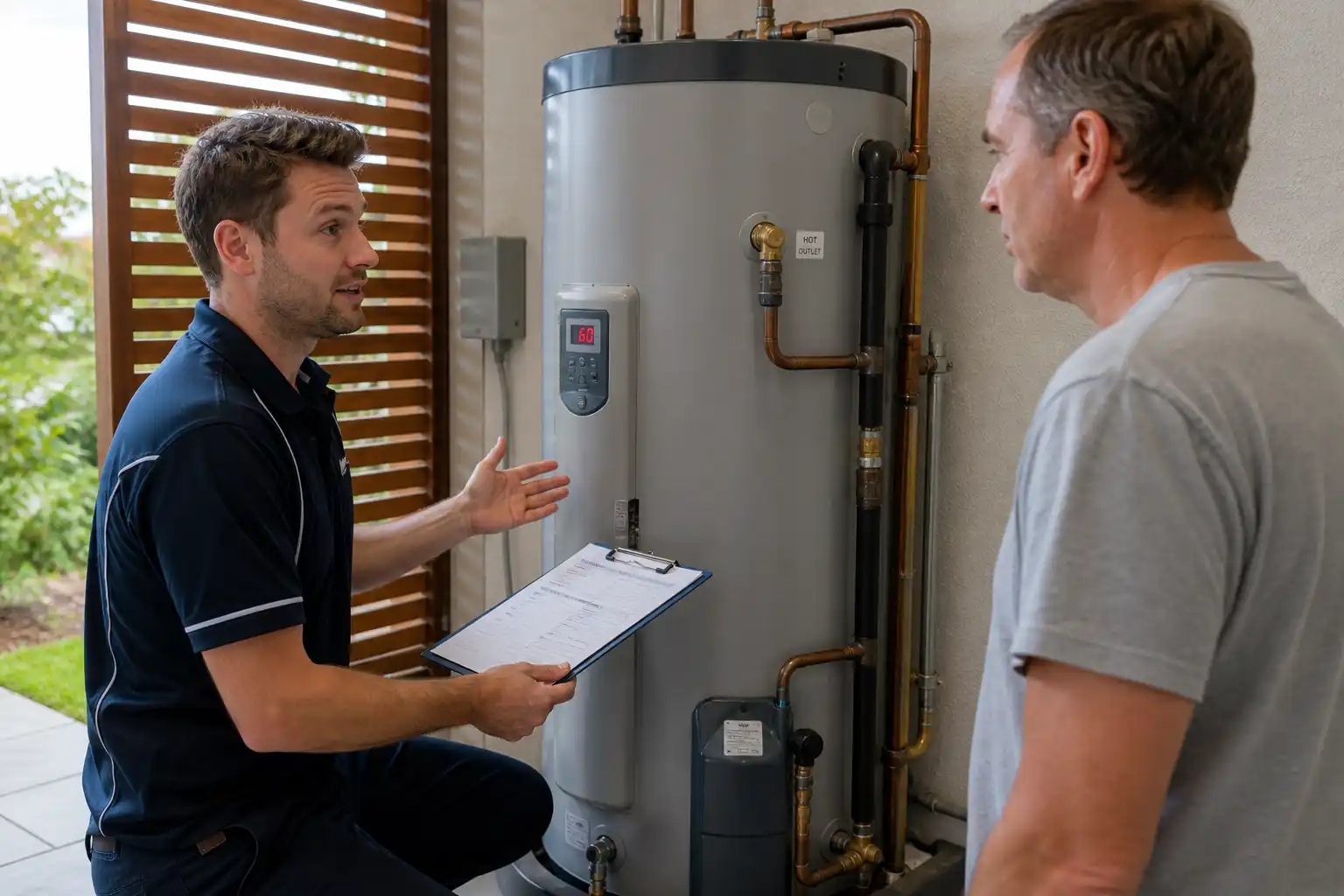
The professionals you hire matter. Experienced teams like Moyle Plumbing & Gasfitting ensure the job is done safely and strictly to code. Labor rates vary based on the region, the complexity of the job, and whether it is an emergency weekend call-out. Hiring a reputable plumber coomera guarantees that you are getting reliable expertise, which prevents costly mistakes down the line.
Location and Accessibility
If your current system is tucked away in a tight attic, under a narrow staircase, or requires navigating steep outdoor terrain, plumbers will need more time to complete the job. Difficult access means higher labor costs.
Additional Parts and Modifications
Older homes often need upgrades to meet modern plumbing codes. This might involve installing new tempering valves, upgrading water pipes, or fixing venting issues. These necessary modifications will be added to your final total.
Removal and Disposal of Old System
Getting rid of a heavy, rusted water tank isn’t easy. Most plumbers will charge a fee to safely drain, disconnect, haul away, and legally dispose of your old unit.
The Importance of Professional Installation
Attempting a DIY hot water installation is extremely risky. It can void your manufacturer warranty, lead to severe water damage, and pose massive safety risks, especially when dealing with gas and electricity. Relying on an expert plumber coomera ensures your system operates efficiently and safely. A qualified professional, such as a technician from Moyle Plumbing & Gasfitting, will secure the necessary certifications and give you total peace of mind.
Getting an Accurate Quote
To avoid unexpected surprises, always request detailed, itemized quotes before work begins. A trustworthy quote should break down the cost of the unit, labor fees, disposal charges, and any required parts. Look for clear warranty terms and transparent pricing, which is a hallmark of trusted local businesses like Moyle Plumbing & Gasfitting.
Investing in Long-Term Comfort and Efficiency
While the initial price tag for a new hot water setup can vary, investing in the right system and professional installation pays off. By considering your household needs and hiring an experienced plumber coomera, you secure a reliable supply of hot water for years to come. Ultimately, a properly installed system runs more efficiently, saving you money on your future energy bills while keeping your home comfortable.