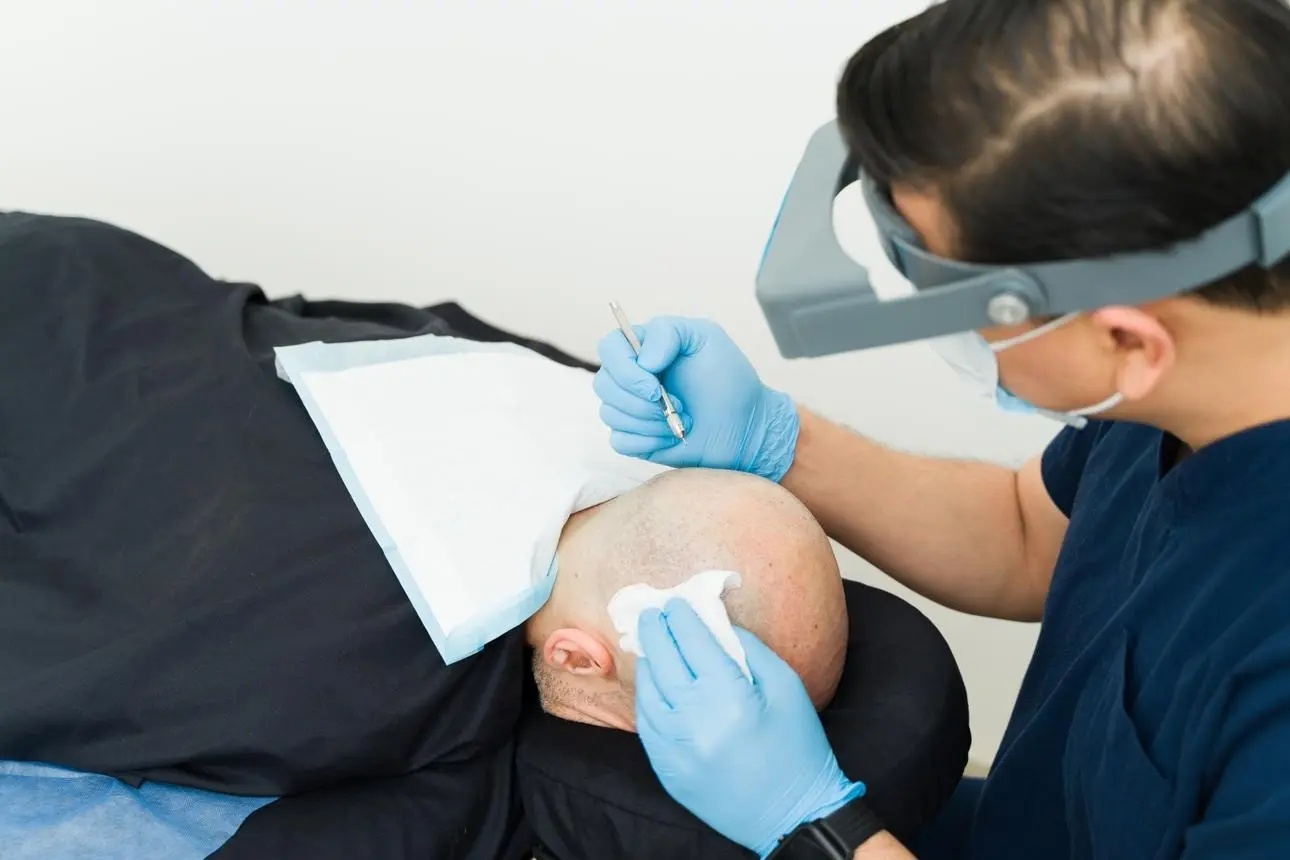
Hair loss is a common concern for many men and can affect confidence, appearance, and self-image over time. Some men experience gradual thinning, while others develop noticeable bald patches or receding hairlines. Modern hair restoration methods now offer a range of solutions designed to address different stages and causes of hair loss.
- Understanding Hair Loss In Men
- Access To Personalized Treatment Plans
- Natural-Looking Hair Restoration
- Long-Term Hair Restoration Options
- Improved Confidence And Appearance
- Access To Multiple Treatment Options
- Professional Monitoring And Follow-Up
- Early Treatment May Slow Hair Loss Progression
- Minimal Downtime With Modern Techniques
- Understanding Realistic Expectations
- Importance Of Choosing The Right Clinic
- Hair Restoration Can Support Emotional Wellbeing
- Final Thoughts
Many individuals visit a hair replacement clinic to explore treatment options suited to their needs and long-term goals. From non-surgical systems to hair transplant for men procedures, clinics now provide personalized approaches that can improve hair density and overall appearance.
Understanding the potential benefits of professional hair restoration treatments can help men make informed decisions before beginning treatment.
Understanding Hair Loss In Men
Hair loss can develop for several reasons, although male pattern baldness is one of the most common causes.
Male Pattern Baldness
Male pattern baldness usually develops gradually and may involve:
- Receding hairlines
- Crown thinning
- Widespread scalp hair loss
This condition is largely influenced by genetics and hormonal factors.
Other Causes Of Hair Loss
Some men may also experience hair thinning due to:
- Stress
- Medical conditions
- Nutritional deficiencies
- Scalp disorders
- Lifestyle factors
A professional assessment at a hair replacement clinic can help identify contributing factors and suitable treatment options.
Access To Personalized Treatment Plans
One major benefit of visiting a hair replacement clinic is receiving a treatment plan tailored to individual hair loss patterns.
Professional Hair Assessment
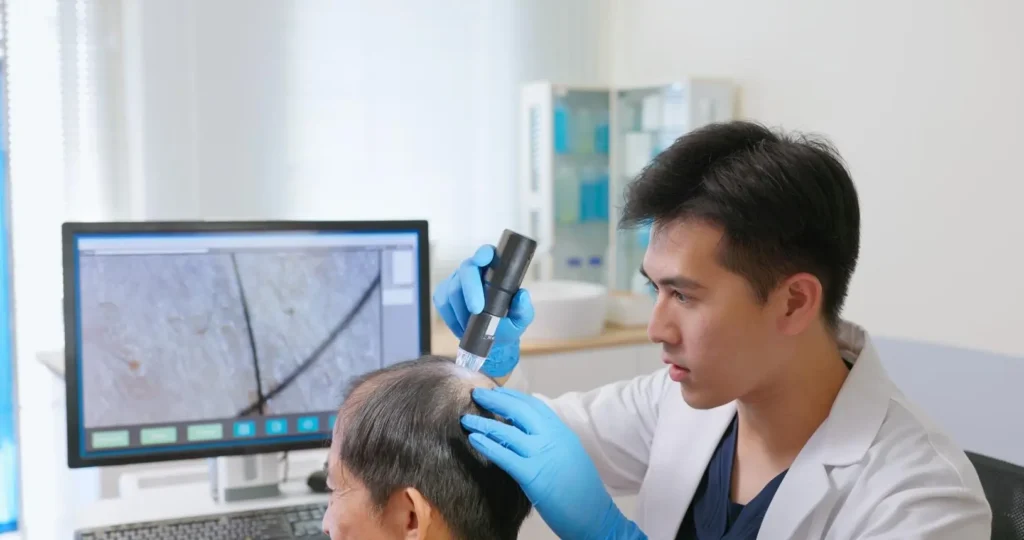
Clinics typically assess:
- Hair density
- Donor hair quality
- Scalp health
- Hair loss progression
- Medical history
This allows practitioners to recommend the most appropriate treatment approach.
Individualized Recommendations
Different patients require different solutions depending on the severity and type of hair loss. Some may benefit from non-surgical treatments, while others may be better suited to a hair transplant for men procedure.
Natural-Looking Hair Restoration
Modern treatments are designed to create realistic and natural results.
Improved Hairline Design
Experienced clinics carefully design hairlines that:
- Match facial structure
- Follow natural hair growth patterns
- Look age-appropriate
Blending With Existing Hair
Modern transplant techniques allow restored hair to blend naturally with surrounding hair for a balanced appearance.
Long-Term Hair Restoration Options
Many men seek treatments that provide lasting improvement rather than temporary cosmetic coverage.
Hair Transplant Procedures
Hair transplant for men procedures such as:
- FUE (Follicular Unit Extraction)
- FUT (Follicular Unit Transplantation)
use real hair follicles transplanted from donor areas to thinning regions.
Because transplanted follicles are often resistant to hair loss, results can be long-lasting.
Maintenance Treatments
Some clinics also recommend supportive therapies to help maintain surrounding natural hair over time.
Improved Confidence And Appearance
Hair restoration can affect more than physical appearance alone.
Increased Self-Confidence
Some men feel more confident socially and professionally after improving hair density or restoring their hairline.
More Styling Flexibility
Restored hair often allows for:
- More hairstyle options
- Improved facial framing
- Reduced scalp visibility
Access To Multiple Treatment Options
Hair replacement clinics usually offer several treatment methods rather than a single approach.
Non-Surgical Treatments
These may include:
- Scalp therapies
- Growth factor treatments
- PRP (Platelet-Rich Plasma)
- Medications
- Hair systems
Surgical Options
For more advanced hair loss, clinics may recommend hair transplant for men procedures for permanent follicle restoration.
Combined Approaches
Some patients benefit from combining surgical and non-surgical treatments to support both transplanted and existing hair.
Professional Monitoring And Follow-Up
Ongoing professional care is another advantage of attending a specialized clinic.
Monitoring Hair Progress
Clinics can track:
- Hair growth progress
- Scalp condition
- Treatment response
- Ongoing hair loss patterns
Adjusting Treatment Plans
Hair restoration needs may change over time. Follow-up appointments allow adjustments if additional support or maintenance is required.
Early Treatment May Slow Hair Loss Progression
Seeking help early may help preserve existing hair.
Supporting Existing Hair Follicles
Some treatments aim to:
- Strengthen existing follicles
- Slow further thinning
- Improve scalp health
Preventing Advanced Hair Loss
Early management may reduce the need for more extensive restoration procedures later.
Minimal Downtime With Modern Techniques
Modern hair restoration procedures often involve shorter recovery times than older methods.
FUE Recovery Benefits
FUE procedures involve:
- Small extraction points
- Minimal scarring
- Faster healing compared to traditional techniques
Return To Daily Activities
Many patients return to light daily activities relatively quickly after treatment, depending on the procedure performed.
Understanding Realistic Expectations
A professional hair replacement clinic helps patients understand achievable outcomes before beginning treatment.
Honest Treatment Planning
Experienced clinics explain:
- Expected density
- Recovery timelines
- Possible limitations
- Number of sessions required
Natural Improvement Rather Than Perfection
The goal is often to improve appearance and coverage naturally rather than completely restore teenage-level density.
Importance Of Choosing The Right Clinic
The quality of treatment depends heavily on clinic experience and practitioner skill.
Factors To Consider
Patients should review:
- Surgeon qualifications
- Before-and-after results
- Clinic reputation
- Consultation quality
- Treatment transparency
Personalized Consultations
A proper consultation allows patients to ask questions and better understand their options before committing to treatment.
Hair Restoration Can Support Emotional Wellbeing
Hair loss sometimes affects emotional health and self-esteem.
Feeling More Comfortable With Appearance
For some men, restoring hair can improve:
- Confidence
- Social comfort
- Personal satisfaction
Long-Term Appearance Management
Professional treatment allows patients to manage hair loss proactively rather than feeling uncertain about ongoing thinning.
Final Thoughts
Visiting a hair replacement clinic gives men access to personalized treatment options designed to address different stages and causes of hair loss. Whether considering non-surgical therapies or a hair transplant for men procedure, professional assessment and planning are important for achieving natural-looking and realistic results.
Modern hair restoration treatments offer more advanced techniques, improved recovery experiences, and long-term solutions compared to older methods. While results vary depending on individual hair loss patterns and treatment choices, many men benefit from improved hair density, confidence, and overall appearance after professional care.
Choosing an experienced clinic and maintaining realistic expectations are key parts of a successful hair restoration journey.