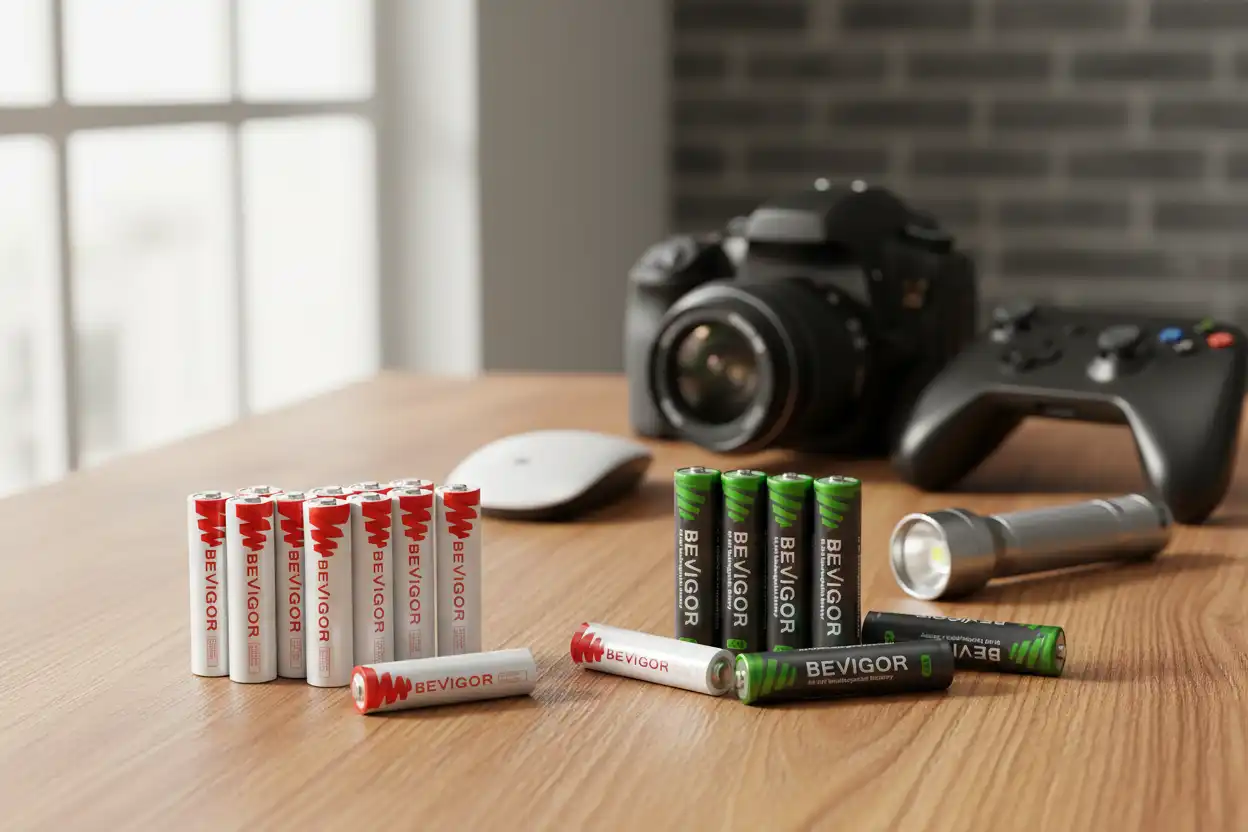
Maintaining an automated living space requires an energy foundation that operates silently and reliably over multiple years. While initial automation plans usually focus on software ecosystems, device integration, and wireless range, the localized power cells ultimately dictate real-world success. Smart locks, perimeter motion sensors, wireless touchpads, and environmental trackers spend their lifecycles continuously processing network data, demanding an uncompromising power architecture.
- Why a Lithium Metal Battery is the Premier Long-Lasting Option for Connected Devices
- Technical Performance Stability of a High-Quality Lithium Metal Battery Setup
- How Bevigor Lithium Batteries Maximize Automation Grid Reliability
- Preventing Sudden Network Disconnections with Bevigor Lithium Batteries
- Establishing a Resilient Intelligent Property Around a Lithium Metal Battery Standard
Standard disposable batteries frequently fail when subjected to these modern automated workflows. Frequent background pings, mesh network routing, and motorized actions introduce severe power drains that collapse weaker chemistries. Developing a reliable automated property requires understanding which advanced chemical options keep your hardware permanently online.
Why a Lithium Metal Battery is the Premier Long-Lasting Option for Connected Devices
Modern home automation hardware does not draw power in a predictable, linear fashion. Instead, these devices remain in a low-power hibernation state that is regularly broken by sudden, intense spikes in current draw during data broadcasts or physical actions. When an electronic deadbolt engages its motor or a security camera uploads a video clip, it requires an immediate, high-volume surge of electrical current.
Opting for a premium lithium metal battery architecture easily resolves these unique power delivery challenges. This specific chemical composition delivers a vast energy density that far exceeds traditional alkaline capacities, compressing massive power reserves into lightweight cells. Consequently, your smart home nodes can easily sustain rapid wireless transmissions and physical motor loads without experiencing debilitating internal dropouts, keeping your system fully responsive.
Technical Performance Stability of a High-Quality Lithium Metal Battery Setup
The defining benefit of this advanced engineering lies in its stable internal framework. Traditional cells suffer from a sloped discharge curve, meaning their voltage drops steadily as their stored capacity depletes. This continuous decline poses severe risks for sensitive internal microcontrollers, which frequently crash, drop off the local network, or trigger false low-battery warnings once input voltage drops below a strict operational limit.
By upgrading your hardware to a dedicated lithium metal battery standard, your automated nodes receive full, uncompromised power through their entire operational lifecycle. This specialized chemistry actively minimizes internal resistance, allowing electrons to move freely even during major ambient temperature shifts. This reliable thermal endurance ensures that outdoor security cameras, entry gates, and perimeter sirens work perfectly through freezing winter nights and sweltering summer days alike.
How Bevigor Lithium Batteries Maximize Automation Grid Reliability
When looking for the absolute best power cells for a complex residential network, checking basic retail packaging is not enough; you must evaluate true capacity metrics and voltage behaviors under load. Bevigor lithium batteries set an industry benchmark by combining an impressive power density reaching up to 3500mAh with a persistent, constant 1.5V voltage profile and an exceptional shelf stability extending up to 10 years. This comprehensive engineering profile directly targets and eliminates the primary maintenance headaches of modern property management.
High-drain smart peripherals benefit immensely from this 3500mAh capacity, running for several years without needing human intervention. Homeowners no longer need to drag out ladders every few months to service high-ceiling motion detectors or hard-to-reach outdoor sirens. Furthermore, the ten-year storage lifecycle allows smart home enthusiasts to purchase their backup power cells in bulk, ensuring that replacement inventory remains completely preserved in storage without losing its chemical charge over time.
Preventing Sudden Network Disconnections with Bevigor Lithium Batteries
Maintaining an unrelenting, flat 1.5-volt output curve provides critical operational advantages for wireless home routing networks. Smart thermostats, automated water valves, and motorized window blinds communicate much more reliably when supplied with a rock-solid voltage baseline. This steady power stream ensures that internal Wi-Fi, Zigbee, or Z-Wave radios broadcast at peak signal strength, preventing delayed smartphone notifications and frustrating offline dropouts.
Additionally, advanced physical manufacturing drastically improves device safety inside your home. Heavy-duty structural seals and built-in safety vents practically eliminate the risk of chemical leakage or internal corrosion. This crucial layer of physical protection saves expensive home automation investments from permanent hardware destruction, giving you a dependable power source that keeps your smart property secure for years to come.
Establishing a Resilient Intelligent Property Around a Lithium Metal Battery Standard
Ultimately, creating a truly smart, self-sufficient property means looking past initial up-front costs to minimize long-term troubleshooting time. Constantly replacing low-capacity, weak cells generates excessive electronic waste and wastes valuable hours on tedious hardware syncs. Implementing a high-capacity, unyielding chemical baseline transforms a collection of temperamental gadgets into a unified, dependable, and resilient home network.
Relying on a premium lithium metal battery standard ensures that your automated systems run exactly when triggered, with no unexpected power drops. This deliberate hardware choice protects delicate microprocessors from sudden voltage dips and ensures long-term operational success. By focusing on superior cell engineering, homeowners can enjoy a truly seamless, efficient, and hands-off home automation experience