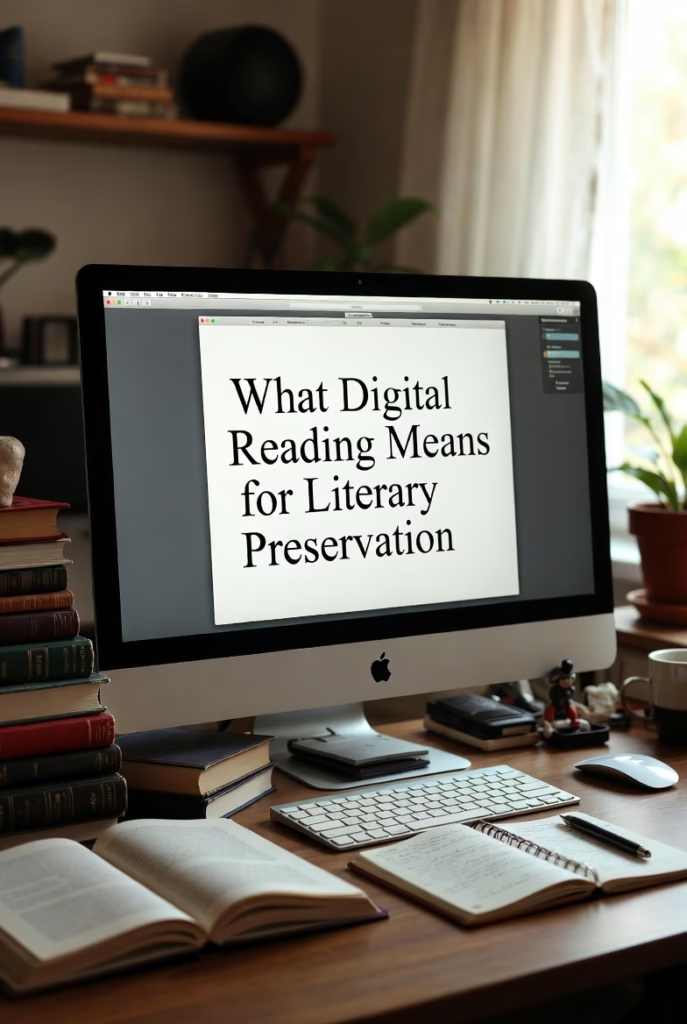
The shift from printed pages to screens has changed how stories endure. Tales once bound in paper now drift through countless formats yet the heart of reading still beats steady. Scholars keep chasing ways to hold on to the written word as it moves across new mediums. Each shift brings both risk and promise for the future of literature.
This movement gains momentum as many students and researchers choose z library as their go-to source for expansive access to texts. With so much material now stored in shared digital spaces the act of reading grows more fluid. Collections travel across borders without losing their voice. Readers follow them with ease while still sensing the weight of history behind each line.
Shifting Grounds for Cultural Memory
Readers often worry that rapid change might blur the rich layers that give literature its power. Yet digital reading can open new doors for the survival of fragile works. Old poems can leap from dusty shelves into bright screens where audiences discover them again. Careful scanning and thoughtful curation keep rare titles in circulation long after physical copies have worn thin. Some librarians even describe this process as a relay race where each format passes the baton to the next runner.
At the same time digital collections allow broader patterns to emerge. Scholars examine versions track shifts and compare interpretations with fresh clarity. This broader view supports a deeper story of human thought across time. Some have argued that digital access gives forgotten authors a second wind. Their words rise again with a voice strong enough to reach future generations.
This leads to a wider look at how readers interact with stories today:
- Memory Across Formats
Readers often move between print and digital without losing the thread that ties them to story or theme. This flexible practice keeps literature alive in many corners of daily life. When text flows through phones tablets and readers each platform becomes a small archive of human memory. That blend of old and new builds a bridge between past voices and present minds.
- Shared Access
Open digital shelves support communities that gather around writers and ideas. Students share passages teachers point to vital links in thought and casual readers follow sparks of curiosity wherever they land. This shared space feels like a vast library hall filled with the soft hum of discovery. Each visitor adds a bit of life to the ongoing stream of culture.
- Renewed Attention
Some works find new light when digital access removes barriers of distance or scarcity. A novel once locked behind regional limits can now reach readers across an entire continent. This wider reach keeps stories in motion and encourages the creation of fresh commentary and study.
These shifts shape a lively landscape that mirrors a bustling city street filled with voices old and new. Even modern portals such as z-lib.pub play a part as long term access paths that support research and casual reading alike.
Building a Path for the Future
Digital reading does not erase tradition. Instead it adds new threads to a tapestry already rich with texture. Preservation now depends on collaboration between archivists scholars and casual enthusiasts. Each one holds a bit of responsibility for keeping stories ready for the next curious mind. Many compare this shared task to tending a community garden where every small effort helps something grow.
Stories That Keep Traveling
Literary preservation thrives when readers embrace movement and change. Texts travel from page to screen without losing their soul. This journey keeps wisdom in circulation and offers writers a chance to speak far beyond their time. As long as readers stay open to new ways of engaging with stories literature will continue to wander inspire and endure.