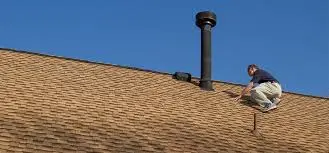
A roof does more than keep rain out. It shapes how a home feels, how long it lasts, and how safe people remain inside. Many homeowners only think about roofing after a leak appears. By that point, stress runs high and options feel limited.
- Why Roofs Matter More Than Most People Think
- Common Roofing Materials Explained
- Signs a Roof Needs Attention
- Repair or Replacement: How People Decide
- The Role of Inspections
- Weather and Roof Wear
- A Short Case Example
- Choosing a Roofing Professional
- Maintenance Habits That Extend Roof Life
- Roofing Terms Made Simple
- Closing Thoughts and Next Steps
This article looks at roofing from a wider view. It explains how roofs work, what affects their lifespan, and how people make sound decisions about repairs or replacement. The discussion draws lessons often seen by professional roofers without focusing on any single place or company.
Why Roofs Matter More Than Most People Think
A roof takes constant exposure from sun, wind, and rain. Over time, these forces break down materials in slow steps that stay hidden from the ground. Small cracks or loose fasteners grow quietly.
According to data from the National Roofing Contractors Association, most roofing failures start at flashing, seams, or penetrations like vents. These areas sit out of sight. Regular checks spot trouble before water reaches the attic.
A solid roof also affects energy use. Poor insulation or damaged shingles let heat escape in winter and enter in summer. The U.S. Department of Energy reports that a well-maintained roof can cut heating and cooling loss by up to 15 percent.
Common Roofing Materials Explained
Roofing materials vary in price, lifespan, and care needs. Knowing the basics helps homeowners ask better questions.
Asphalt Shingles
Asphalt shingles remain the most common choice in North America. They cost less than many other options and install quickly.
Typical lifespan ranges from 15 to 30 years. Climate, attic ventilation, and maintenance play large roles in where a roof falls in that range.
Metal Roofing
Metal roofs use panels or shingles made from steel or aluminum. They resist fire and shed snow easily.
Many last 40 to 70 years. Upfront cost runs higher, yet long service life balances that expense over time.
Tile and Slate
Clay tile and natural slate offer long life and strong visual appeal. Some slate roofs last more than a century.
Weight presents a concern. Homes often need added structural support before installation.
Material Comparison Table
| Material | Average Lifespan | Maintenance Level | Cost Range |
|---|---|---|---|
| Asphalt shingles | 15–30 years | Moderate | Low |
| Metal | 40–70 years | Low | Medium |
| Clay tile | 50+ years | Low | High |
| Slate | 75–100 years | Low | High |
Signs a Roof Needs Attention
Many warning signs show up early. Homeowners who know what to watch for avoid surprise repairs.
Common signals include:
- Curling or missing shingles
- Dark streaks from algae growth
- Granules collecting in gutters
- Sagging roof lines
- Water stains on ceilings
A single sign does not always mean replacement. It does signal the need for inspection.
Repair or Replacement: How People Decide
One common question involves repair versus replacement. The answer depends on age, damage area, and future plans for the home.
A roof under ten years old with limited damage often suits repair. Older roofs with widespread wear lean closer to replacement.
An experienced inspector looks at:
- Size of damaged area
- Condition of underlayment
- Past repair history
- Local building codes
A study by Remodeling Magazine shows that new roofs return over 60 percent of their cost in home value. That return factors into many decisions.
The Role of Inspections
Professional inspections catch issues that owners miss. Inspectors walk the roof, check flashing, and look inside the attic.
Many suggest inspections once per year and after major storms. Insurance companies often accept inspection reports during claims.
A roofing inspector interviewed by Fine Homebuilding magazine shared this view: “Most leaks come from details, not the main field of shingles.” That statement highlights the value of trained eyes.
Weather and Roof Wear
Weather patterns shape how roofs age. Sun dries out materials. Wind lifts edges. Rain finds weak points.
In hot regions, ultraviolet rays speed up shingle aging. In cold zones, ice dams form at eaves. These dams trap water that slips under shingles.
Ventilation helps control these effects. Proper airflow keeps attic temperatures closer to outdoor levels. Balanced ventilation lowers moisture buildup and extends roof life.
A Short Case Example
A homeowner noticed a small stain near a ceiling vent. The roof looked fine from the yard. An inspection revealed cracked flashing around the vent pipe.
The repair took less than two hours. The cost stayed low. Waiting longer would have allowed water to rot decking and insulation.
Stories like this show how early action saves money and stress.
Choosing a Roofing Professional
Selecting a roofing contractor shapes the final result. Homeowners benefit from a simple review process.
Key factors include:
- License and insurance
- Clear written estimates
- Warranty terms
- References from recent jobs
One helpful step involves reading contracts line by line. Good contractors explain each part without pressure.
Many people read general guides or learn from examples shared by roofers St George to understand what quality work looks like before any agreement.
Maintenance Habits That Extend Roof Life
Basic care adds years to a roof’s service life. These tasks stay simple and low cost.
Seasonal habits include:
- Clearing debris from gutters
- Trimming branches near the roof
- Checking attic insulation
- Looking for loose flashing after storms
Keeping records also helps. Notes on inspections, repairs, and materials support warranty claims and resale discussions.
Roofing Terms Made Simple
Roofing uses words that sound confusing at first. A few clear definitions help.
- Flashing: Thin metal pieces that seal joints and edges.
- Underlayment: Protective layer under shingles.
- Decking: Wooden base attached to roof framing.
- Pitch: Steepness of the roof slope.
Understanding these terms makes conversations easier and reduces misunderstandings.
Closing Thoughts and Next Steps
A roof protects more than a building. It protects daily routines, belongings, and peace of mind. Learning how roofs age, what signs matter, and how choices affect cost gives homeowners confidence.
Readers who want deeper knowledge can explore books from building science experts, articles from the Department of Energy, or guides from trade groups like the NRCA. A little preparation turns roofing from a surprise problem into a planned project.